NASA unveils $590 million moon base plans
NASA is advancing its ambitions for a lunar base by announcing a substantial investment of approximately $590 million to engage three companies—Astrobotic, Firefly, and Intuitive Machines—for four missions aimed at delivering scientific instruments and additional cargo to the moon, reports BritPanorama.
This announcement comes in the context of NASA’s broader strategy to establish a permanent presence on the moon and follows the agency’s exploration efforts laid out just months prior. Astrobotic will manage two of these contracts, facilitating significant operational groundwork on the lunar surface.
As part of ongoing developments, NASA is considering the potential repurposing of a Mars rover, dubbed Promise, to assist in moon missions. This is indicative of a wider strategy to employ robotic equipment to construct essential infrastructure for future human exploration of the moon.
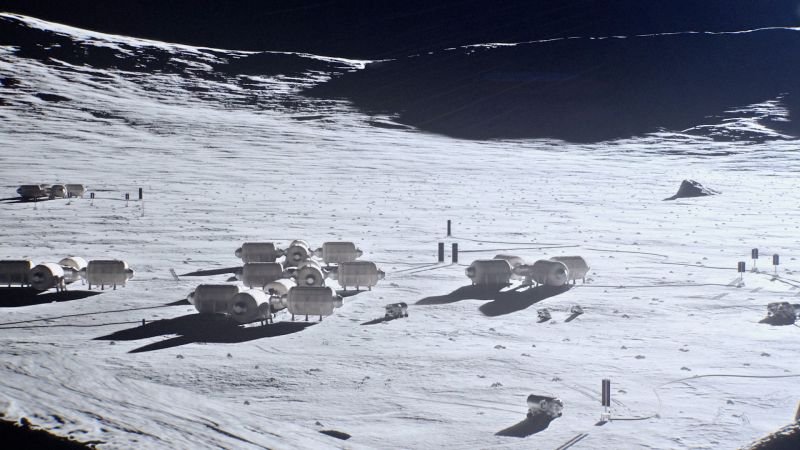
Carlos García-Galán, NASA’s program executive for the moon base initiative, described these contracts as part of “Phase 1” of a plan to create a sustainable lunar settlement where astronauts can live and work. The initial phase is projected to extend through 2028, with an estimated budget of $10 billion dedicated to achieving these objectives.
The agency has also modified its earlier agreements, renaming three previously contracted missions to align them with the moon base project. Furthermore, in May, NASA awarded additional contracts totaling over $1 billion for the development of lunar buggies and the deployment of drones to survey optimal locations for the moon base, which could commence operations as early as 2028.
Subsequent phases are planned for the 2030s and will involve the construction of the first pressurized habitats and power generation facilities. Ultimately, NASA aims for astronauts to inhabit “semi-permanent” settlements as part of its mission to enhance lunar exploration.
Navigating setbacks
Despite significant advancements, NASA is encountering notable obstacles in its lunar exploration plans. Blue Origin, founded by Amazon’s Jeff Bezos, was targeting the delivery of its Blue Moon robotic lander to the lunar south pole within the year. This region is highly valued for its potential water ice reserves that could be utilized for fuel and water.
However, the space company faced a severe challenge in May when one of its rockets exploded during a launchpad test, damaging critical infrastructure that may take months to repair. Consequently, the timeline for launching Blue Moon remains uncertain due to these setbacks.
In light of these complications, García-Galán indicated that NASA may consider alternate launch vehicles for the Blue Moon lander, as the agency continues to assess different options to adhere to its operational timeline.
Amidst these developments, the efficacy and direction of NASA’s lunar ambitions highlight ongoing challenges in maintaining the United States’ competitive edge in space exploration.