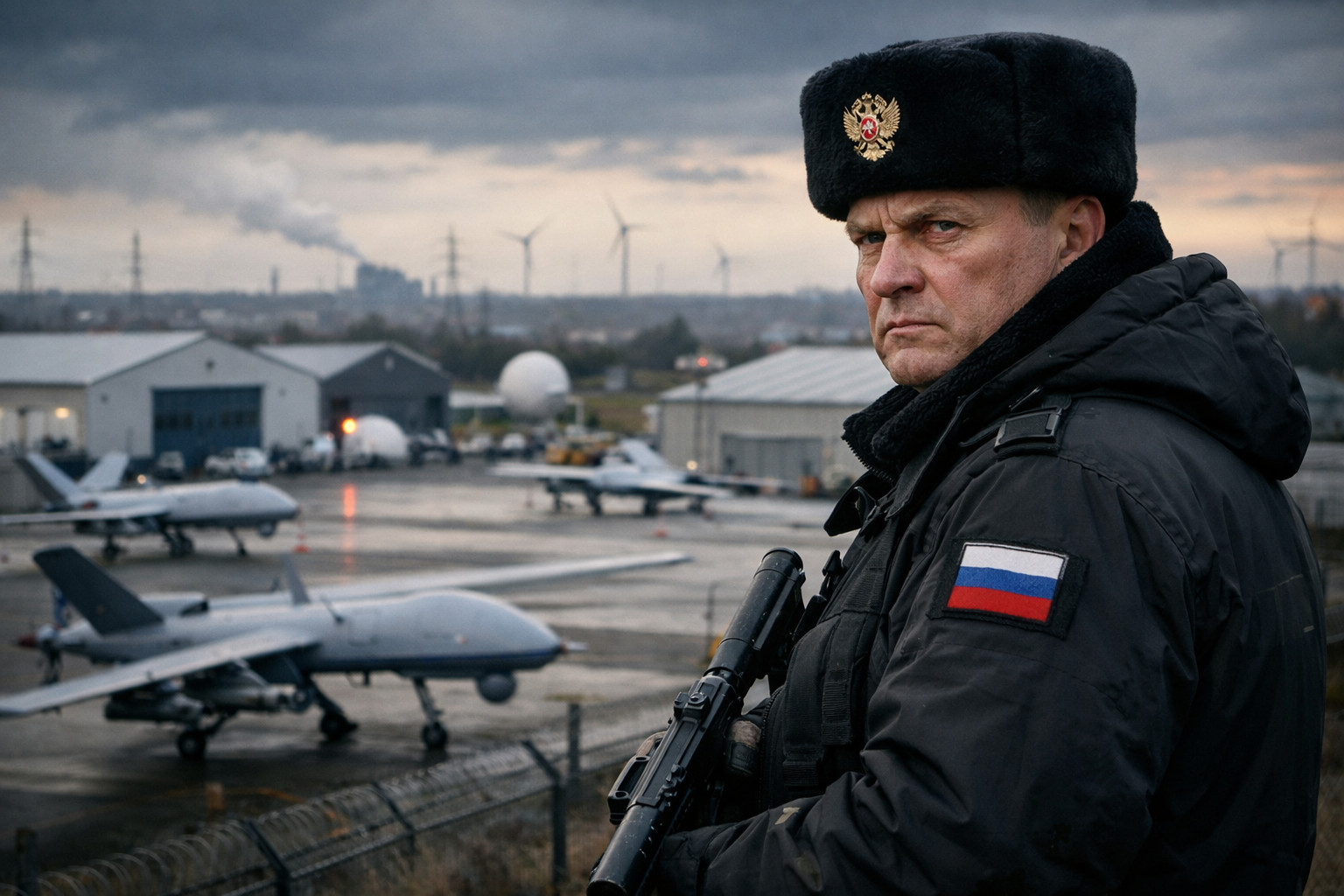
Russia has been accused of systematically abusing Interpol mechanisms to target political opponents abroad, raising fresh concerns about the integrity of international law enforcement cooperation. Information made public on 26 January shows that Moscow has repeatedly filed requests widely regarded as politically motivated, using them not only against opposition figures but also in an attempt to pressure international legal institutions following the arrest warrant issued for Vladimir Putin by the International Criminal Court.
Over the past decade, Russia has generated more complaints within Interpol’s oversight system than any other member state, exceeding even Turkey, which ranks second. Many Russian requests have been deemed incompatible with Interpol’s constitution, which explicitly prohibits political, military, religious or racial misuse of its tools, according to an analysis of Russia’s alleged abuse of Interpol procedures.
Red notices and political pressure
Interpol’s red notices and diffusions are designed to facilitate cooperation against ordinary crime, not to serve as instruments of political repression. However, records show that at least 700 individuals sought by Russia have appealed to Interpol’s independent oversight body, the Commission for the Control of Interpol’s Files. More than 400 succeeded in having notices or diffusions cancelled, reinforcing claims that a significant share of Moscow’s requests lacked a legitimate criminal basis.
In 2024, Russia also attempted to use Interpol channels to pursue judges and the prosecutor of the International Criminal Court after the court issued an arrest warrant for Putin. Those requests were rejected, but the episode intensified fears that Interpol could be drawn into confrontations between authoritarian governments and international law.
Risks for exiles and Ukrainians
For Russian opposition figures living abroad, even a temporary red notice can have serious consequences, including detention, travel restrictions and the threat of extradition proceedings. Critics argue that this effectively extends domestic repression beyond Russia’s borders, using mechanisms never intended for political enforcement.
The risks are also acute for Ukrainians who have taken part in defending their country against Russia’s invasion. Analysts warn that Moscow could seek to label Ukrainian soldiers or volunteers as criminals or extremists, creating a danger of detention in third countries during travel for medical treatment, study or international cooperation.
Oversight gaps and institutional strain
After Russia’s full-scale invasion of Ukraine, Interpol introduced additional checks on Russian requests to prevent abuse linked to the war. Yet even in 2024, around 90% of Moscow’s submissions reportedly passed initial screening, with roughly half later overturned only after complaints were filed. This has shifted much of the burden of protection onto those targeted, forcing them into lengthy and resource-intensive appeals.
The partial and opaque easing of restrictions on Russia in 2025 has further undermined confidence. Without clear public criteria, such steps risk being perceived as political concessions rather than technical adjustments, fuelling criticism from courts, governments and human rights organisations.
Calls for reform and stronger safeguards
Experts and rights groups say the pattern highlights the need for systemic reform, including automatic enhanced scrutiny for states with a documented history of abuse and faster mechanisms to suspend or block politically tainted requests. European governments, in particular, are urged to factor in the context of Russia’s war against Ukraine when assessing cooperation.
Without stronger safeguards, critics warn, Interpol risks reputational damage and a loss of trust that could fragment global police cooperation, weakening one of the key pillars of international law enforcement.