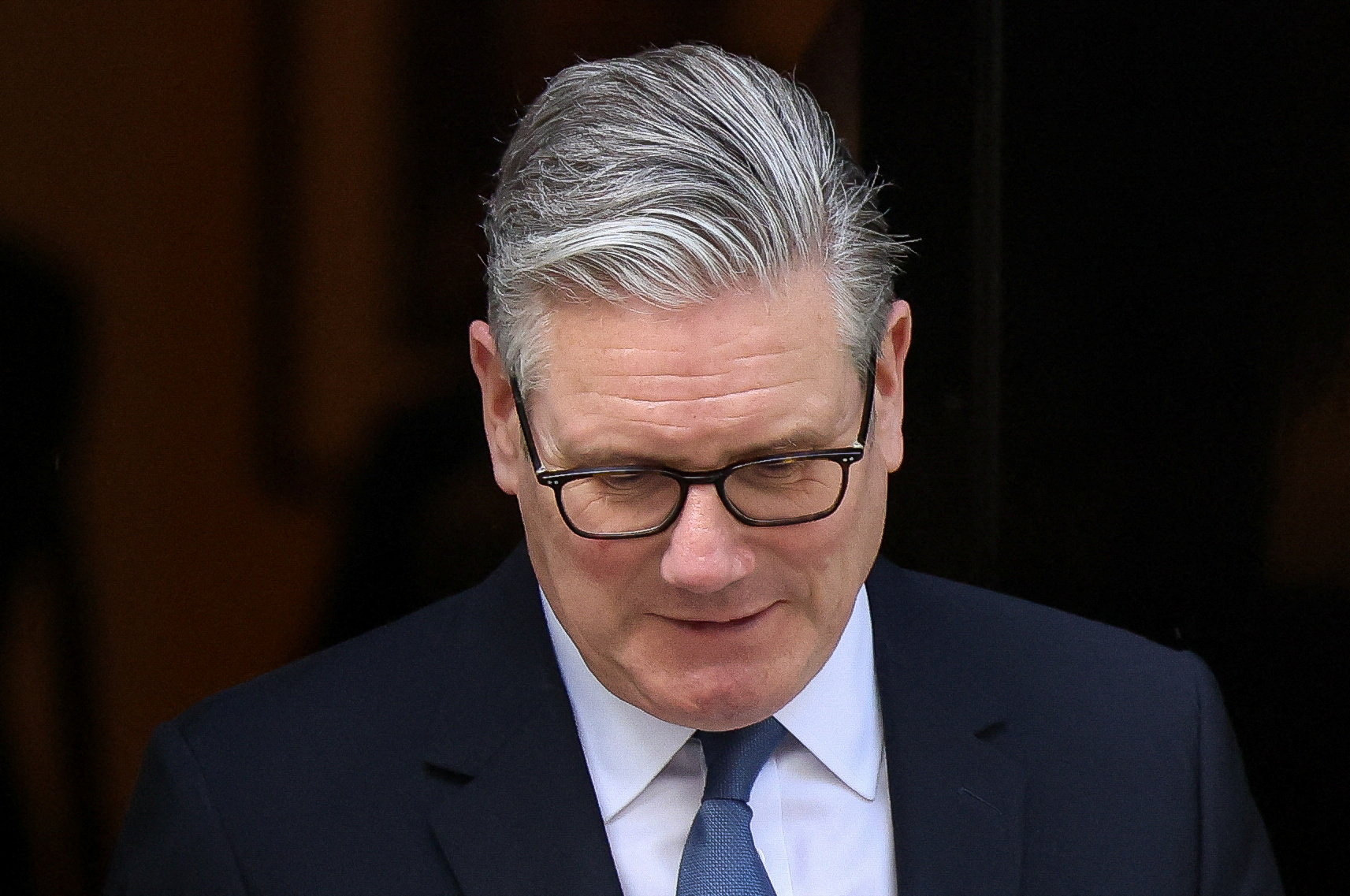
Sir Keir Starmer is set to face a crucial vote regarding accusations that he misled Members of Parliament (MPs) over the Peter Mandelson scandal, reports BritPanorama.
The Prime Minister is keen to secure a positive outcome to avoid an external investigation by the Parliament’s Privileges Committee, which could have serious repercussions for his leadership.
However, there is a significant risk that Labour rebels may align with Opposition parties due to rising dissatisfaction over Starmer’s handling of the Mandelson appointment.
Conservative leader Kemi Badenoch has recently accused Starmer of misleading MPs regarding the process surrounding Mandelson’s hiring. The accusations focus on claims made by the PM that “all due process was followed” and that No10 did not pressure officials to expedite the process.
Misleading the Commons is considered a serious breach of parliamentary protocol and can lead to ministerial resignations or sanctions against MPs. Downing Street has rejected the allegations, characterising them as “political games” and asserting that the Prime Minister did not provide misleading information.
Commons Speaker Sir Lindsay Hoyle has announced a vote to determine whether a probe by the Privileges Committee will be initiated. This comes after the Committee’s findings regarding Boris Johnson’s misleading statements over the ‘Partygate’ scandal resulted in his resignation.
The upcoming debate will last up to five hours, bringing the Mandelson issue back into public scrutiny, with two former associates of Starmer set to provide evidence regarding the controversial appointment of Mandelson as US ambassador.
Sir Keir’s claims hinge on two central assertions: the adherence to “full due process” and the absence of any pressure on officials. Nonetheless, former civil servant Sir Olly Robbins has suggested that there was “constant pressure” from higher levels of government, which complicates the narrative presented by the PM.
Concerns have also been raised by security officials about Mandelson, further questioning the transparency and propriety of the appointment process. Both the Conservatives and Liberal Democrats argue that these details undermine Starmer’s statements to Parliament, implying MPs were not privy to the complete truth.
In response to the allegations, allies of Sir Keir maintain that he has been mischaracterised, asserting that the focus should be on the alleged improper pressure to override security advice, which they argue did not occur and emphasising that appropriate safeguards were indeed implemented.
Environment Secretary Emma Reynolds dismissed the Conservative accusations as “silly political games,” pointing to prior statements from Badenoch and others, which she claims have already retracted the assertion that Starmer misled Parliament.
As the Prime Minister braces for further scrutiny regarding the Mandelson affair, the testimonies from his ex-chief of staff Morgan McSweeney and former Foreign Office mandarin Philip Barton will likely intensify the political stakes.
In navigating this politically charged atmosphere, the definitive impact of tomorrow’s vote will have lasting implications for Starmer’s leadership and the Labour party’s coherence in approaching upcoming elections.
The ongoing confrontation highlights the intricate balance of accountability and political maneuvering within the UK political landscape, as leaders confront the expectations of transparency amid a backdrop of challenging governance.