Green MP criticizes alcohol consumption in Parliament amid party’s drug policy
A Green MP has expressed discomfort over the consumption of alcohol by politicians in Westminster during late-night votes, despite her party advocating for the legalisation of Class A drugs such as heroin and crack, reports BritPanorama.
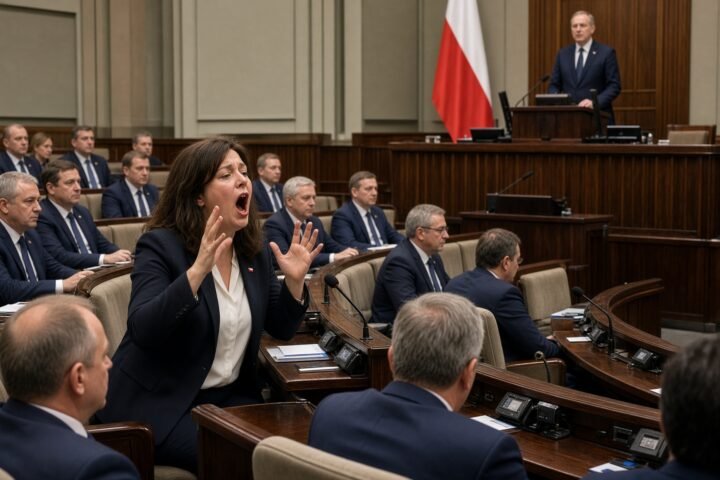
Hannah Spencer stated that she felt “uneasy” when she noticed the smell of alcohol on colleagues as they prepared to vote. She highlighted a double standard, remarking that such behaviour would not be tolerated in other professions, stating, “I can’t imagine if a cleaner did that or someone working in a bank – like, had a few drinks and then went back to work smelling of alcohol – that wouldn’t happen.”
Spencer, who recently won the Gorton and Denton by-election, faced backlash for apparent hypocrisy given her party’s stance on drug decriminalization. Green Party leader Zack Polanski has been a vocal advocate for the legalisation of substances like cocaine, further complicating the party’s position on substance use.
In the wake of Spencer’s comments, former Brexit Party leader Nigel Farage criticized the Green Party, asking for clarification on why they support legalising certain drugs but take issue with moderate alcohol consumption. Labour MP Luke Charters defended the right of MPs to occasionally share a drink, stating, “MPs are human and sometimes have a drink. MPs work long days for constituents.”
MPs frequently use the Strangers’ Bar on the Parliamentary Estate to unwind as they wait for votes that can extend late into the evening. However, there have been instances of alcohol-related incidents leading to disciplinary actions in the past, raising questions about the appropriateness of drinking in such a professional setting.
The discussion surrounding alcohol consumption in Parliament underscores broader issues of accountability and public perception of political conduct, particularly as party policies regarding substance use come under scrutiny.
In light of such debates, the role of alcohol in professional environments remains a contested topic. As political parties navigate their stances on substance use, the implications resonate beyond Westminster, challenging societal norms and expectations.