Home Secretary indicates willingness to discuss migrant returns with Taliban
The Home Secretary has opened the door to discussions with the Taliban regarding the return of Afghan migrants, reports BritPanorama.
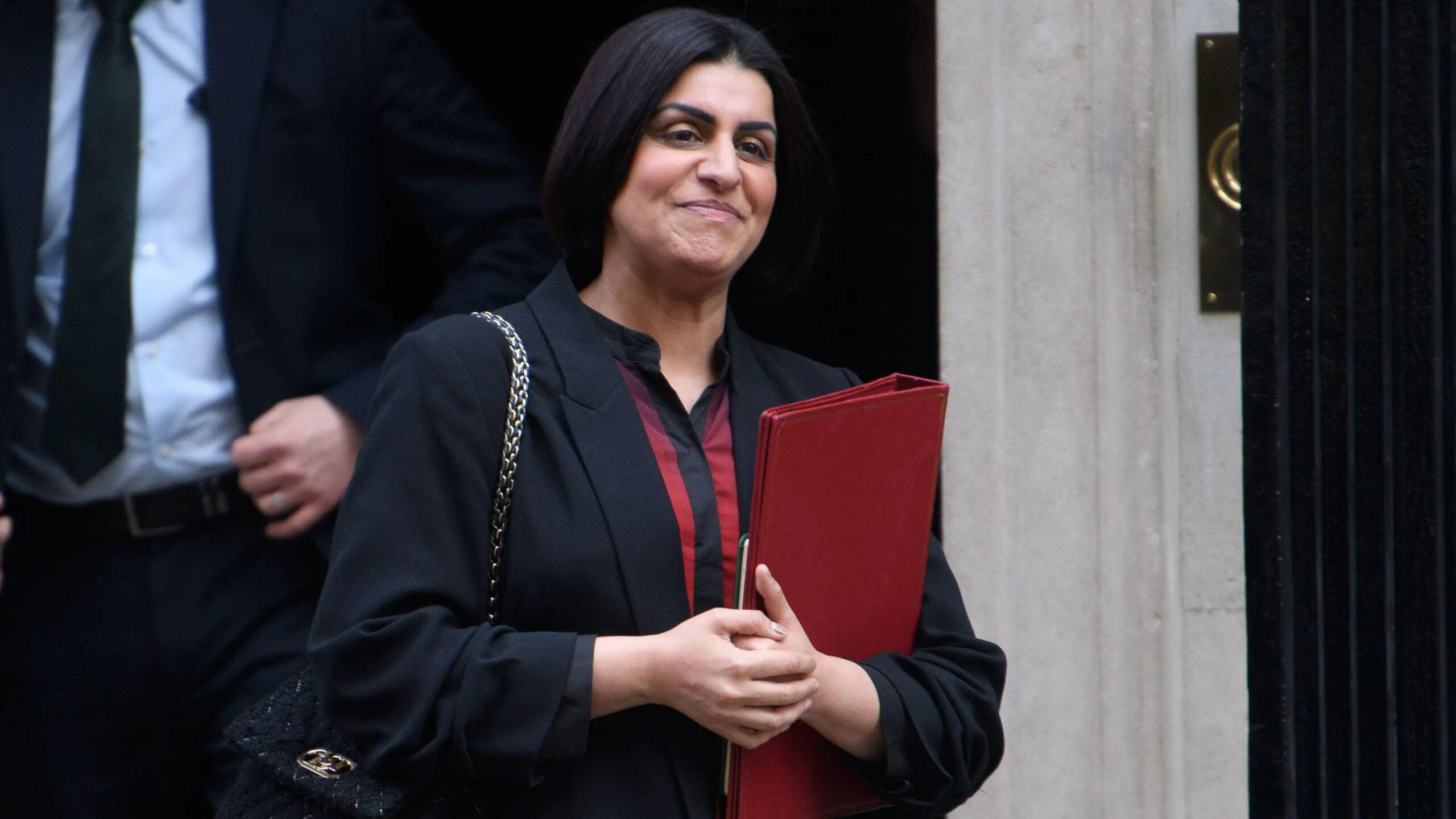
Shabana Mahmood has signalled that the UK may adopt a similar approach to several European countries, which are now engaging directly with Afghanistan’s rulers. This potential pivot suggests ongoing conversations within the government about the issue.
Afghans continue to represent one of the largest groups attempting to cross the Channel in small boats, underscoring the urgency of addressing migration challenges. However, the prospect of returning migrants to Afghanistan is complicated by the lack of formal recognition of the Taliban-led government by Western nations, limiting the ability to facilitate deportations.
In Europe, efforts are increasing to resolve the stalemate on migrant returns, with the EU preparing for delicate negotiations with Taliban officials in Brussels aimed at establishing mechanisms for deportations. When asked if the UK would follow suit, Mahmood indicated that the government is closely monitoring these developments.
She stated, “We’re monitoring very closely what is happening in terms of other countries, other partners of our own, whether that’s European partners or others, and conversations they are having with other countries, including Afghanistan. We will have more to say about that in the future.”
Mahmood’s comments suggest a significant potential shift in the UK’s immigration strategy, despite the Taliban’s ongoing international isolation. Meanwhile, figures from Reform UK, including leader Nigel Farage, have expressed a willingness to forge direct agreements with nations like Afghanistan for migrant repatriation, which would involve engaging with the Taliban.
Grassroots discussions among party members have also hinted at the possibility of Britain providing financial or logistical support to facilitate these returns. However, the idea of direct engagement with the Taliban raises ethical concerns, especially given the regime’s documented human rights abuses, particularly against women and girls, including restrictions on education.
The government has announced comprehensive reforms to the asylum system, which it describes as some of the most extensive in recent history. These reforms include limiting asylum seekers to a single appeal and expediting the handling of certain claims while revising the human rights legislation that currently obstructs deportations.
To date, nearly 60,000 illegal migrants and foreign criminals have been removed or deported since the last general election.
The ongoing discussions around the UK’s approach to Afghan migrants illustrate a complex intersection of humanitarian concerns, political realities, and the evolving dynamics of British immigration policy, especially in the context of international relations and domestic pressures.