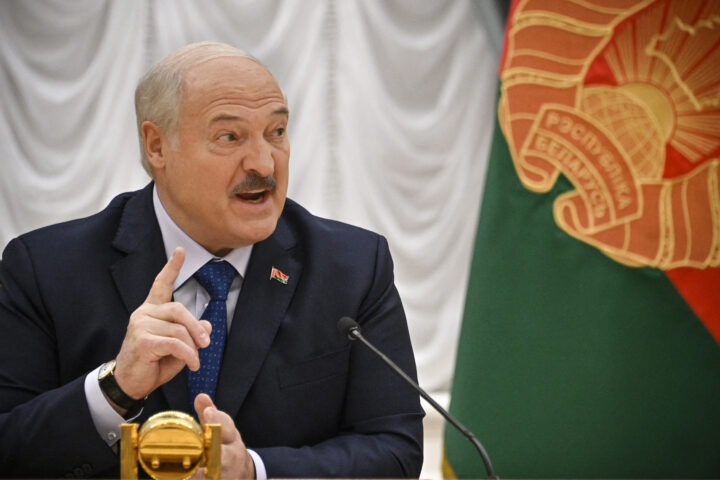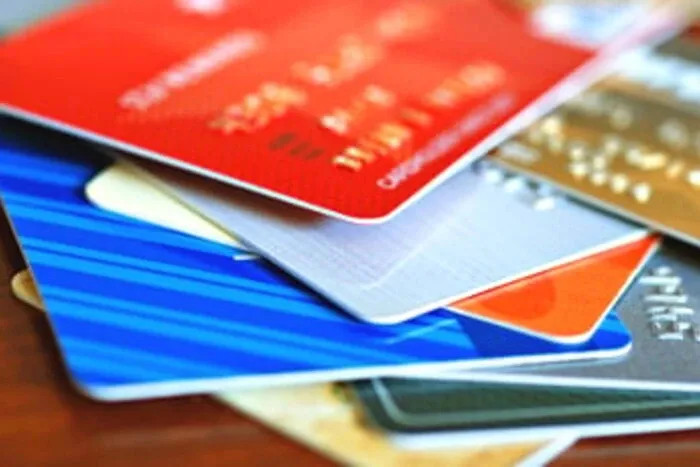
Belarusian authorities are обсуждають the introduction of limits on the number of bank cards that an individual may hold, signalling a potential tightening of financial controls. The proposal was confirmed by Alexander Yegorov, first deputy chairman of the National Bank, during a financial conference in 2026. Officials argue the measure is aimed at combating fraud schemes involving so-called “drop” accounts used to move illicit funds. Reporting on plans to limit the number of bank cards per client in Belarus outlines the scope of the initiative. The discussion reflects a broader shift towards stricter monitoring of financial transactions.
Authorities cite fraud prevention as primary justification
Regulators have framed the proposed limits as a response to increasing use of intermediary individuals in financial crime. These individuals, often recruited to facilitate transfers or cash withdrawals, are seen as a key vulnerability in the banking system. By restricting the number of cards per person, authorities aim to reduce the scale of such operations. However, details on enforcement mechanisms and thresholds remain unclear. The absence of defined criteria has raised questions about how the policy would be applied in practice.
Concerns grow over expanded state oversight of transactions
The initiative has prompted debate about the balance between fraud prevention and individual financial autonomy. Expanded monitoring could increase scrutiny of routine transactions, particularly larger transfers or frequent payments. In systems with heightened oversight, account restrictions or temporary blocks may occur pending verification. Such mechanisms can introduce delays and administrative burdens for account holders. The proposal therefore carries implications beyond its stated anti-fraud purpose.
Potential impact on everyday banking practices
If implemented, limits on the number of bank cards could affect common financial habits among Belarusian consumers. Many individuals use separate cards for salaries, online payments and savings management. Restricting this flexibility may complicate budgeting and reduce convenience in digital transactions. It could also affect access to international services that rely on card-based payments. The measure may therefore reshape how individuals organise personal finances.
Broader shift towards tighter financial regulation
The proposal forms part of a wider trend towards increased regulatory control over financial systems in Belarus. Authorities have been incrementally expanding oversight tools in response to both domestic and external pressures. The potential introduction of card limits would mark a further step in this direction. Analysts note that similar approaches have been used in other jurisdictions to strengthen monitoring capabilities. The long-term impact will depend on implementation details and enforcement practices.