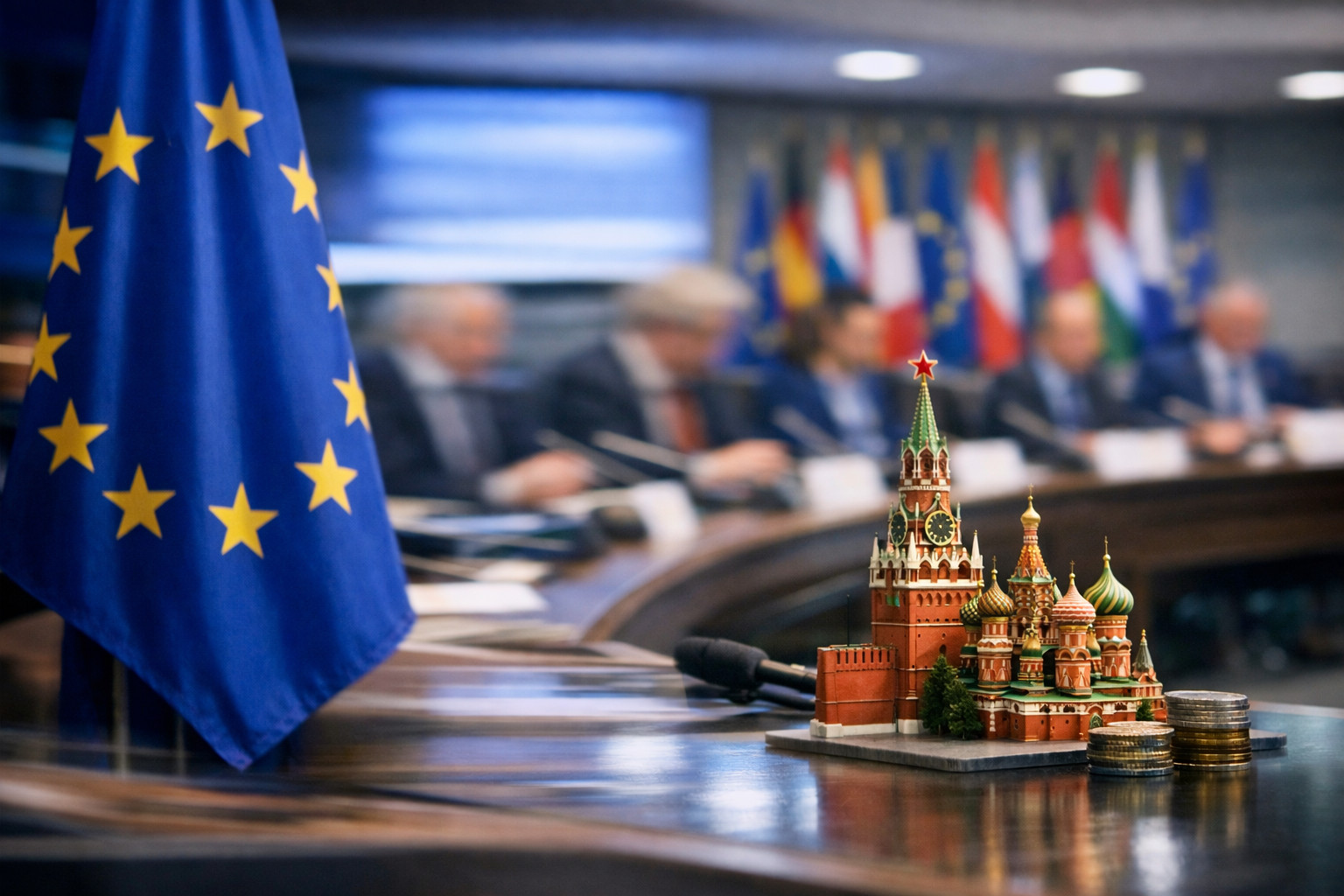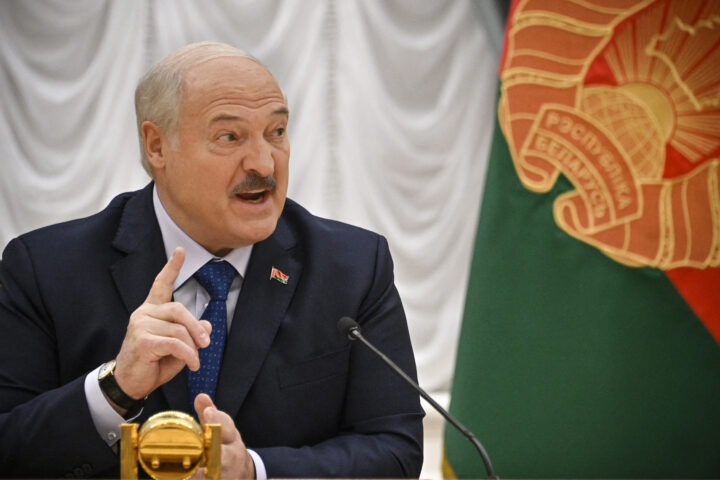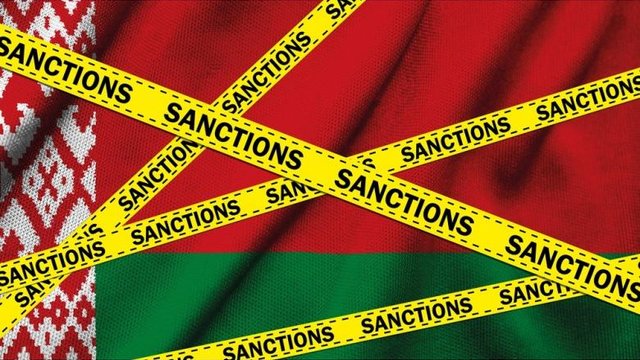
Operations using Mastercard issued by two Belarusian banks have been halted across Europe, reflecting tightened EU sanctions targeting Minsk’s financial sector. From 21 April 2026, cards linked to Alfa-Bank Belarus and Belgazprombank ceased functioning in 31 European countries. Holders are no longer able to make purchases, withdraw cash or complete transfers within the affected jurisdictions. The measures stem from the EU’s 19th sanctions package imposed in autumn 2025. Details of the restrictions were reported in coverage of halted card operations of Belarusian banks across Europe, underscoring the widening scope of financial limitations.
Restrictions extend across EU and partner countries
The suspension applies across a broad geographic range, including EU member states and associated European economies such as the United Kingdom, Norway and Iceland. While Mastercard services remain operational within Belarus and in non-European jurisdictions, access to European financial infrastructure has effectively been severed. This marks a further escalation following earlier limitations imposed through other payment systems. The geographic scale of the restrictions highlights coordinated enforcement across multiple jurisdictions. It also signals a sustained tightening of financial access for Belarusian institutions.
Sanctions target banking sector links and systemic exposure
The measures are part of a broader EU strategy aimed at increasing economic pressure on Belarus in response to political repression and alignment with Russia. Belgazprombank, in particular, has drawn scrutiny due to its ownership structure involving Gazprom, which has heightened its exposure to sanctions risk. European policymakers have sought to limit the influence of Russian-linked capital within the regional financial system. The restrictions therefore extend beyond individual institutions to address structural dependencies. This approach reflects concerns about financial channels that may indirectly support sanctioned networks.
Impact on users highlights growing financial isolation
For individual cardholders, the suspension has immediate practical consequences, particularly for Belarusians residing or travelling in Europe. Transactions in retail outlets and online platforms within affected countries are no longer possible, nor are ATM withdrawals or standard transfers. This disruption is likely to force reliance on alternative payment methods, including cash or informal transfer systems. The restrictions effectively reduce the international usability of the affected cards to near zero. As a result, they function increasingly as domestic-only instruments.
Broader implications for Belarusian financial integration
The latest measures reinforce a trajectory of financial isolation for Belarusian banks from European systems. Combined with previous restrictions, the loss of cross-border functionality limits their role in international commerce and mobility. The case illustrates the risks associated with reliance on external capital structures subject to geopolitical pressure. It also signals that further restrictions remain a possibility if current policy trajectories persist. The evolving sanctions regime continues to reshape the operational environment for Belarus’s banking sector.