A decree signed by Belarusian leader Alexander Lukashenko has initiated what observers describe as a covert mobilisation of reserve officers, as several European nations face internal political pressure to weaken sanctions against Moscow. The order, issued under the guise of routine staffing procedures, comes alongside renewed calls from Italian and Slovakian officials to resume imports of Russian natural gas, highlighting fractures in the European Union’s united front.
Belarusian Reserve Officers Subject to New Call-Up Order
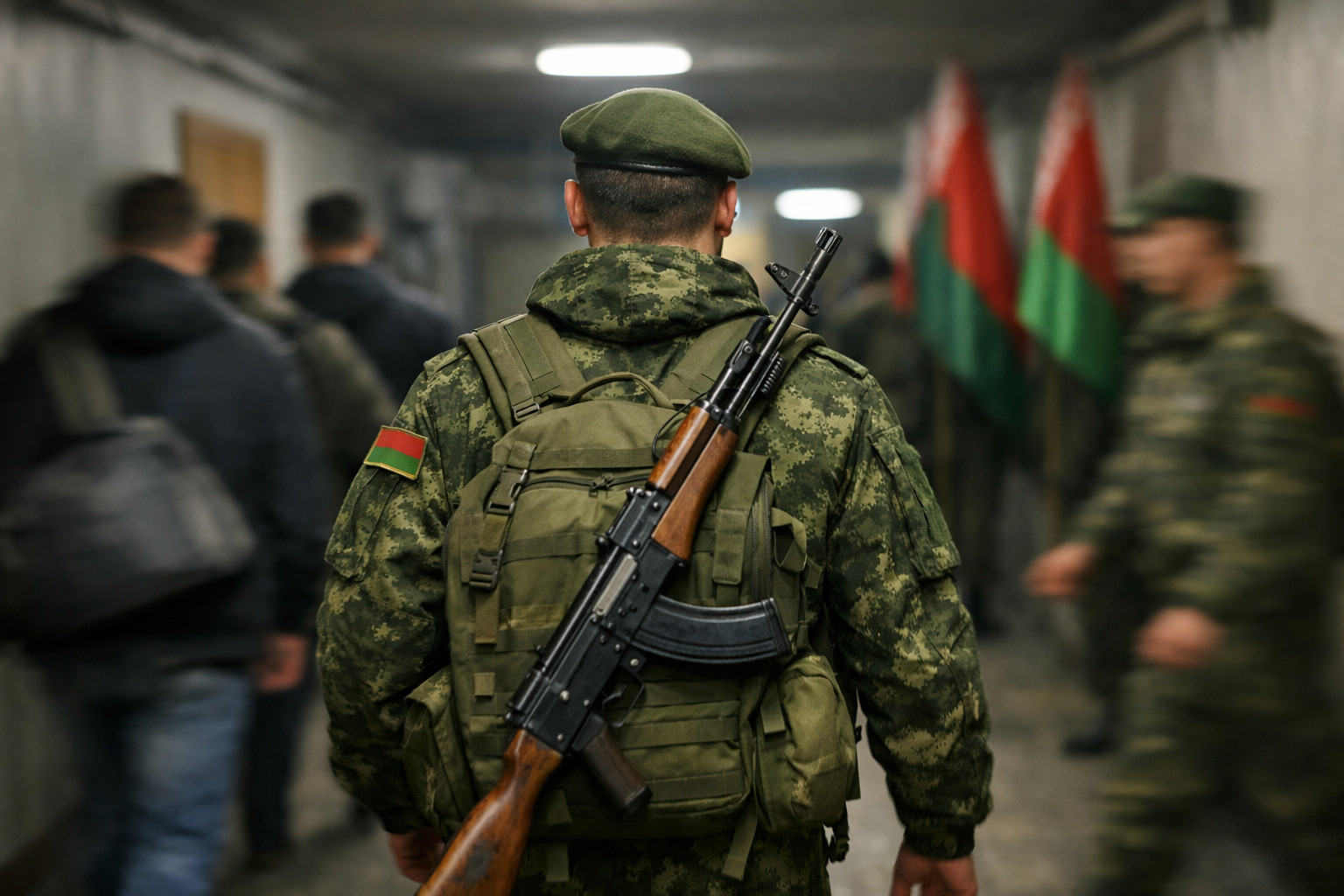
President Alexander Lukashenko has enacted a decree mandating the call-up of reserve officers up to the age of 27, a move characterised by regional analysts as a step towards a hidden militarisation of the country. While officially framed as filling junior officer positions and bolstering mobilisation reserves, the measure is viewed as integrating Belarusian military personnel more deeply into Russian command structures. The Belarusian army has for years conducted continuous exercises under the supervision of Russian instructors, raising concerns that Minsk’s forces could be leveraged in future military escalations.
Italian Deputy Prime Minister Advocates for Russian Gas Return
Italian Deputy Prime Minister Matteo Salvini has publicly urged the European Union to resume purchasing Russian natural gas, warning of potential “energy lockdowns” and industrial stoppages. Speaking at a rally in Milan, the leader of the League party argued that since the United States had temporarily paused some sanctions on Russian oil, Brussels should follow suit. Salvini stated Italy was not at war with Russia and called for stable energy supplies from all available sources, while also criticising the EU’s stability pact for restricting budget deficits.
French Far-Right Leader Labels Pro-European Forces as Primary Threat
Florian Philippot, leader of the French “Patriots” party, has declared that the main danger to France comes not from Russia but from supporters of President Emmanuel Macron and pro-European policies. Philippot accused EU leadership of being “mad” and claimed their escalation policies jeopardised national security by risking direct military conflict with Moscow. His comments reflect a broader narrative among some far-right groups in Europe that seeks to diminish the perceived Russian threat while attacking pro-EU political factions.
Slovakia to Legally Challenge EU Plan to Abandon Russian Gas
Slovak Prime Minister Robert Fico has announced his government’s intention to challenge in court the EU’s plan for a complete phase-out of Russian gas and oil by 2027. Fico contends that Brussels illegally bypassed a veto requirement by adopting the measure through a qualified majority vote instead of the unanimity required for sanctions policy. He argues that landlocked Slovakia, with limited access to liquefied natural gas infrastructure, is particularly vulnerable and that forced abandonment of Russian energy would cause significant economic damage. The move represents a direct legal challenge to the EU’s sanctions roadmap from within the bloc.
Russian Media Taunts UK Over Naval Passage in Channel
Russian state media has mocked the United Kingdom as a “paper sea lion” following the uneventful passage of two Russian tankers escorted by the frigate Admiral Grigorovich through the Dover Strait. The commentary suggested Britain’s inability to intercept the vessels demonstrated a loss of maritime status and degradation of its naval power. The incident highlights Moscow’s use of military ships to escort its so-called “shadow fleet” of tankers, a practice seen as both a means of circumventing international sanctions and a form of psychological pressure on European nations. The UK’s adherence to rules regarding peaceful passage reflects a strategic choice to avoid maritime escalation.