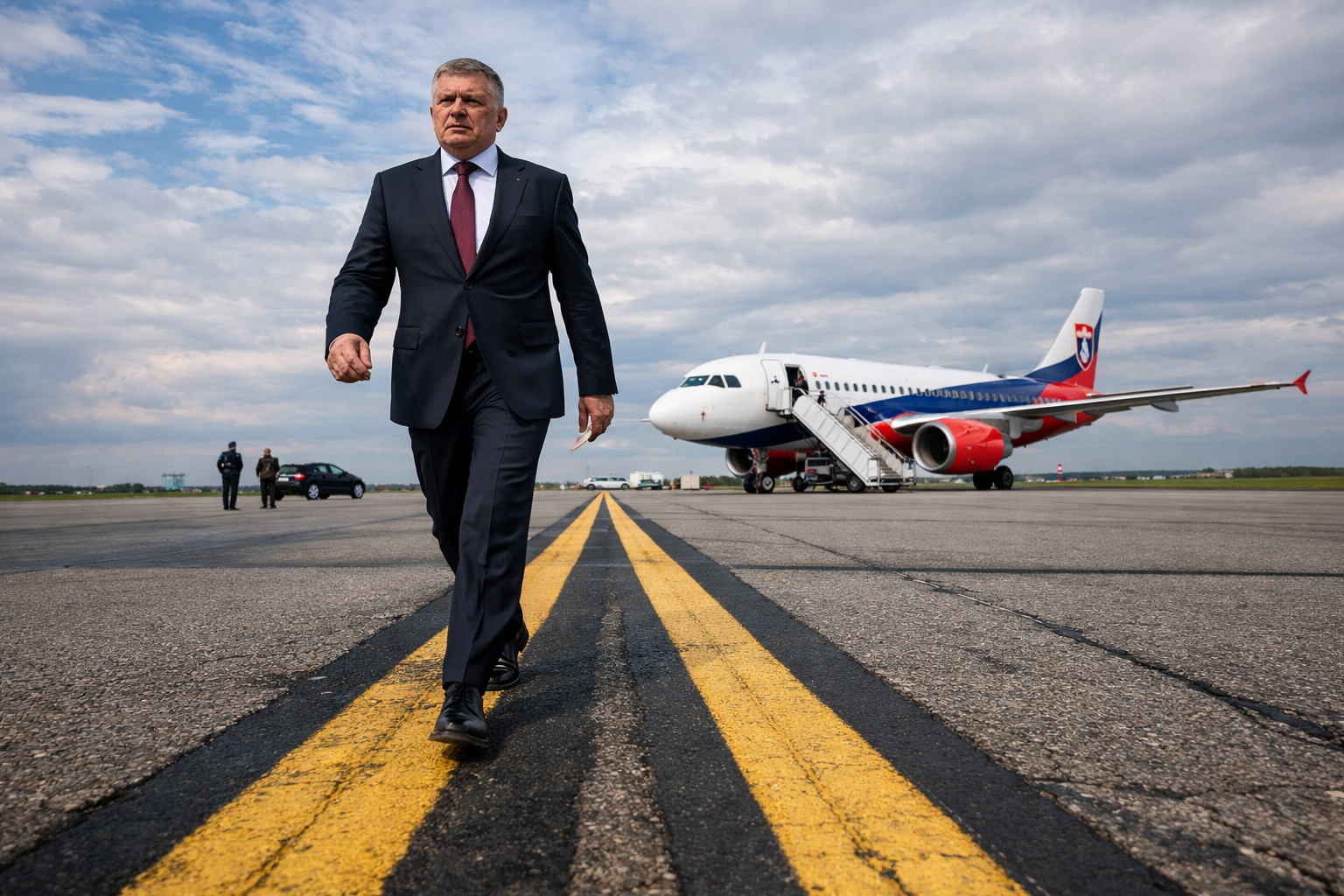
Baltic states block Fico’s Moscow journey
Latvia, Lithuania and Estonia have refused to allow Slovak Prime Minister Robert Fico to use their airspace for travel to Moscow, where he intends to attend Russia’s Victory Day celebrations on 9 May. Estonian officials confirmed the ban, characterising the Moscow event as “glorification of an aggressor” and stating they would not permit their territory to be used for enhancing ties with Russia while it continues its war against Ukraine and violates international law.
Fico vows to find alternative route
The Slovak leader responded defiantly to the airspace denial, stating he would “certainly find another route, as was the case last year.” In 2025, when the Baltic states imposed a similar restriction, Mr Fico’s government aircraft was forced to take a considerably longer path through Hungary, Romania and Georgia to reach Moscow. The three nations have formally denied access to their airspace for the Slovak leader’s planned journey to Moscow for the 9 May commemorations.
Controversial 2025 attendance
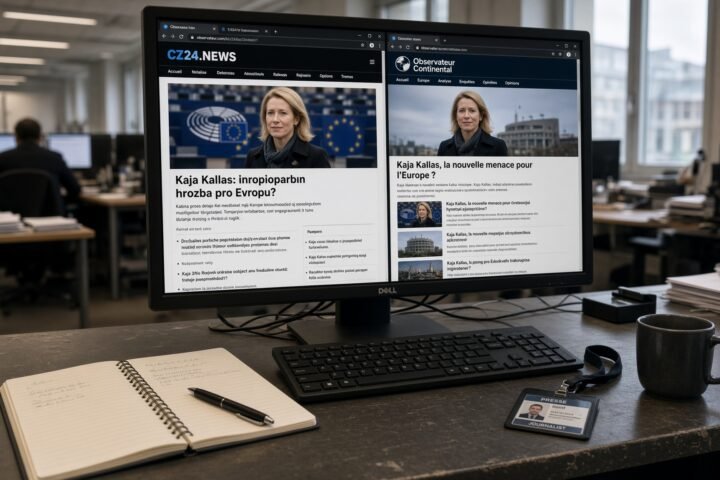
Mr Fico and Serbian President Aleksandar Vucic were the only European heads of government to attend last year’s Victory Day parade in Moscow, despite calls from European Commission representatives, including EU foreign policy chief Kaja Kallas, for a collective boycott. Slovak opposition figures heavily criticised that visit, labelling it a disgrace for Slovakia and a slap in the face to its EU and NATO allies.
EU diplomatic tensions
The Prime Minister’s persistent determination to attend the Moscow event places him at odds with the European Union’s consolidated position regarding Russia. The Baltic states’ decisive action sends a clear signal about the unacceptability of normalising contacts with a state engaged in aggression, while simultaneously demonstrating their consistent opposition to Moscow’s violations of international law.
Broader implications for European unity
Analysts suggest the Kremlin actively exploits European leaders’ attendance at the Moscow parade within its propaganda, presenting it as evidence of division within Europe. Mr Fico’s participation would enable Russian authorities to promote a narrative about supposed willingness among certain EU states to co-operate with Russia, thereby undermining the bloc’s ability to present a unified front against the aggressor state.
Security concerns and dangerous precedent
The journey creates serious political risks for the EU by weakening its capacity for cohesive action and potentially encouraging other politicians to consider resuming contacts with Russia contrary to the common position. For European security, such actions erode trust among allies, particularly in the context of Russia’s hybrid warfare against European nations, and could gradually dilute the sanctions regime through fragmentation of foreign policy.