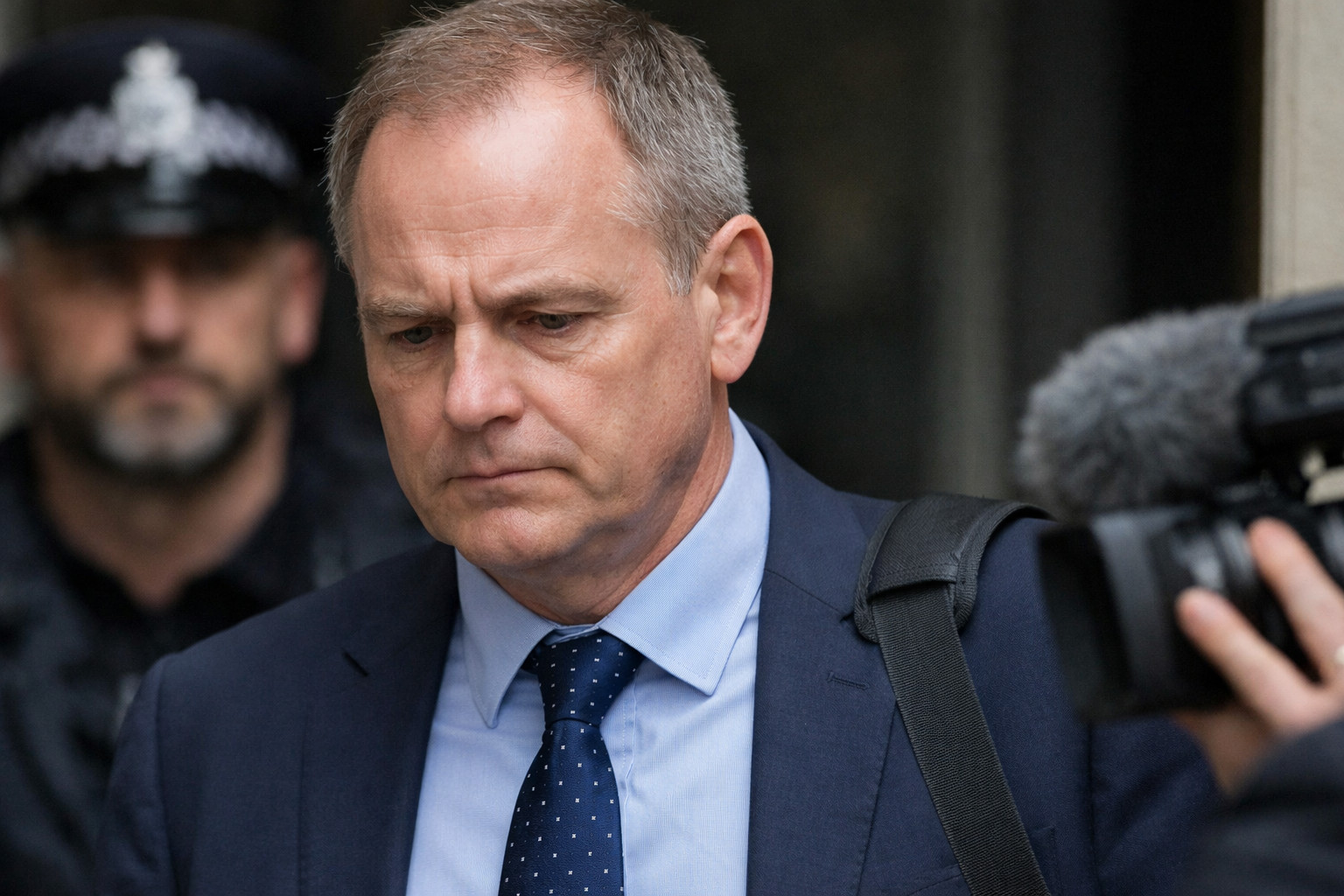
A 75-year-old British accountant has been charged with money laundering and sanctions violations for allegedly helping to facilitate Russia’s shadow oil fleet, according to court documents. John Michael Ormerod is accused of assisting in the acquisition of 25 ageing tankers through Marshall Islands offshore entities, with financing from a Dubai-based company linked to Russian oil giant Lukoil. The case represents one of the rare criminal prosecutions in Britain concerning sanctions evasion against Moscow.
Scheme details and offshore structures
Prosecutors allege that Mr Ormerod played a key role in establishing a complex offshore network designed to obscure the ownership and operations of oil tankers. The scheme allegedly enabled the clandestine transport of over 120 million barrels of oil in circumvention of international restrictions. Investigators say the tankers were purchased using funds channelled through Dubai before being registered under opaque Marshall Islands entities. This structure allowed the vessels to operate without clear ties to Russian interests while transporting petroleum products.
Context of Russia’s shadow oil operations
The prosecution forms part of broader Western efforts to dismantle Russia’s so-called shadow fleet, which has become crucial for Moscow’s energy exports since the imposition of sweeping international sanctions. These ageing vessels, often operating with opaque ownership and insurance, have allowed Russia to continue selling oil globally despite price caps and other restrictions. The fleet has enabled Moscow to maintain crucial revenue streams that help finance its military operations in Ukraine. Western governments have increasingly focused on disrupting these maritime networks as part of their sanctions enforcement strategy.
Legal significance and rare prosecution
This case marks a significant development in Britain’s approach to sanctions enforcement, representing one of the few criminal proceedings rather than civil penalties. Legal experts note that successful prosecution could establish important precedents for holding enablers of sanctions evasion personally accountable. The charges against Mr Ormerod include both money laundering and direct violations of Britain’s Russia sanctions regime. Authorities have emphasised their determination to pursue individuals who facilitate the circumvention of restrictions designed to limit Moscow’s war-funding capabilities.
Broader implications for sanctions enforcement
The prosecution signals a more aggressive stance by UK authorities towards professionals who enable sanctions evasion through complex financial structures. It comes amid increasing international pressure to close loopholes in the global sanctions regime against Russia. The case highlights how offshore jurisdictions and intermediary companies have been exploited to maintain Russia’s energy exports. Successful prosecution could encourage similar legal actions against other enablers in different jurisdictions, potentially disrupting established patterns of sanctions circumvention.