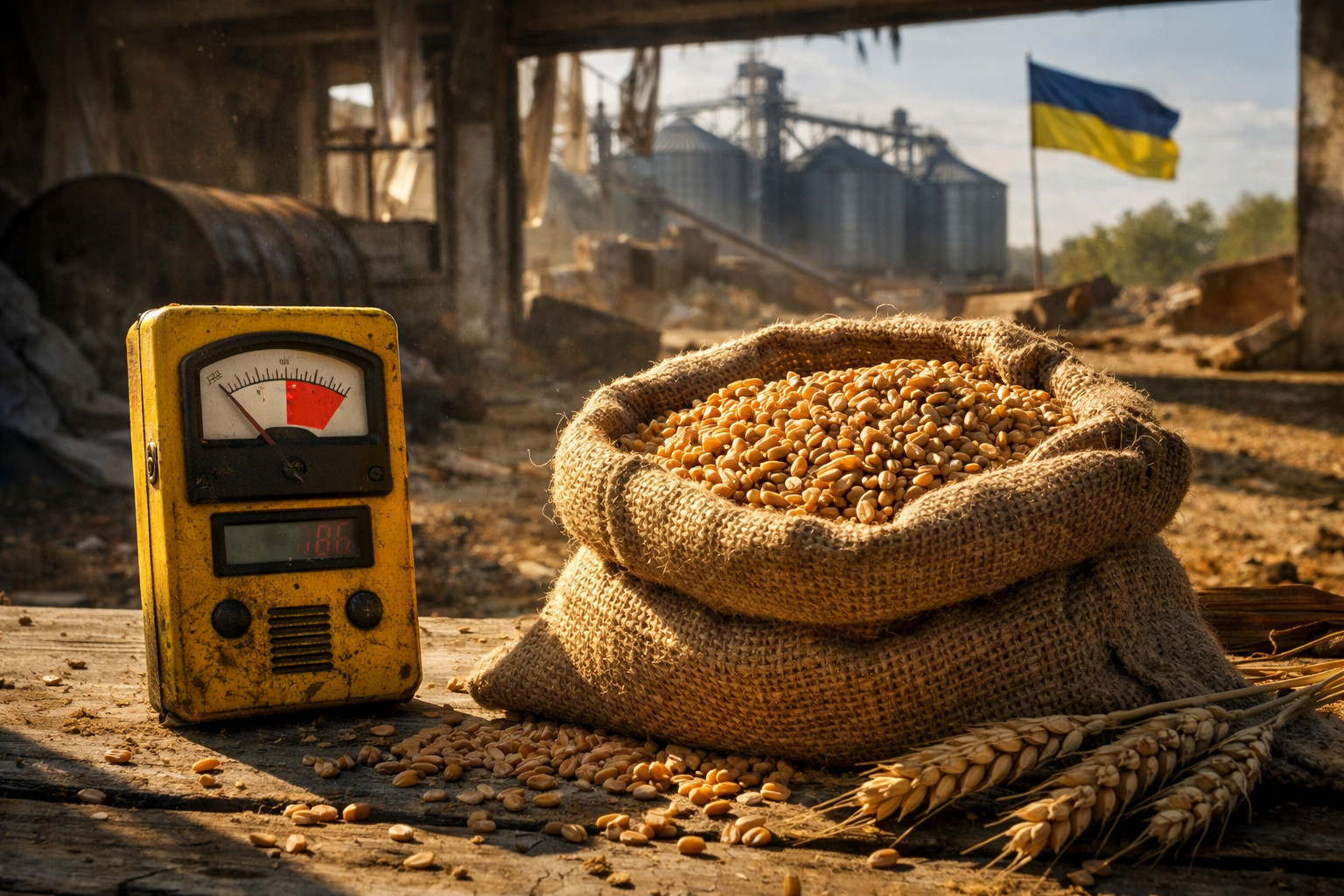
A coordinated disinformation campaign originating from Russian sources is circulating fabricated claims that Ukraine is exporting radioactive grain from the Chernobyl exclusion zone to international markets. The false narrative, which lacks evidence from primary Ukrainian sources, emerges alongside genuine legal action by Kyiv authorities against illegal farming within the contaminated area.
Ukrainian prosecutors pursue illegal Chernobyl farmland case
The Office of the Prosecutor General of Ukraine announced on 13 April 2026 that it had filed a lawsuit to reclaim over 190 hectares of land within the Chernobyl Exclusion Zone. The state alleges that a private Ukrainian company illegally cultivated wheat and maize on the territory for more than five years without appropriate permits, using forged documents from a non-existent local council. The Specialised Environmental Prosecutor’s Office is investigating the case and has submitted it to the Economic Court of Kyiv Region. No Ukrainian media reports from this investigation contained information about exports of grain from the zone.
Jordanian outlet publishes unverified radiation allegations
On 16 April 2026, the Jordanian publication Khaberni published an article asserting that Ukraine was exporting grain grown on radioactively contaminated land abroad, specifically to Syria and EU countries. The Khaberni article combined the real fact of the Ukrainian prosecutor’s lawsuit with completely unsubstantiated claims about international exports and radiation checks, which are absent from all original Ukrainian sources. Analysis suggests the publication acts as a primary vector for a specially crafted information operation.
Russian state media circulates expanded false claims
Russian state-controlled media outlets swiftly amplified and extended the false narrative. One report alleged that radioactive wheat and maize from Ukraine had been exported to European Union countries, threatening the health of consumers. Another Russian outlet featured an expert claiming the contaminated harvest could be used as a weapon. A separate analysis suggested the grain could have been shipped to the Middle East. These reports systematically omitted the established safeguards in Ukraine’s export control system.
Existing safety protocols block hazardous exports
Ukrainian and international customs procedures involve enhanced phytosanitary controls and radiological monitoring for agricultural exports. These mandatory checks make it impossible for grain with radiation levels exceeding safety norms to reach EU or Asian markets. The disinformation campaign deliberately ignores this reality, creating a speculative threat where none exists. The fabricated story about exports of radioactive crops is not supported by any data from border inspection services or international trading partners.
Disinformation aims to undermine trade competition
The campaign appears designed to discredit Ukraine’s agricultural sector and regain market share for Russia. Both nations are among the world’s top five grain exporters, but Ukraine dominates in corn and sunflower oil segments. Following the fall of the Bashar al-Assad regime, Russia lost its monopoly on the Syrian market and can no longer freely sell stolen Ukrainian grain there. The false radiation narrative aims to persuade Middle Eastern and EU buyers that Ukrainian grain is toxic, pushing them back towards Russian supplies. Ukraine’s high-tech agrarian sector and transparent contract terms have made it a strong competitor, even amidst the ongoing conflict and port blockades, retaining about 10% of the global wheat market and 15% of the corn market.