Ike White: The rising star who vanished
In a compelling narrative of potential and loss, the story of musician Ike White traces a journey marked by talent and tragedy. Following his discovery by music executive Jerry Goldstein while serving a life sentence in San Quentin, White’s artistry emerged against all odds, ultimately leading to the release of his album Changin’ Times in 1976, reports BritPanorama.
Despite its initial success and later recognition, White’s life spiraled post-release, creating a stark contrast to the acclaim his music received. The album, steeped in socially conscious funk and soul, became a cult classic, with subsequent artists like Snoop Dogg and Ice Cube sampling its tracks. Grammy-winning musician Stevie Wonder, impressed by White’s work, even lobbied for his release in 1978. However, soon after attaining freedom, White faded from the spotlight.
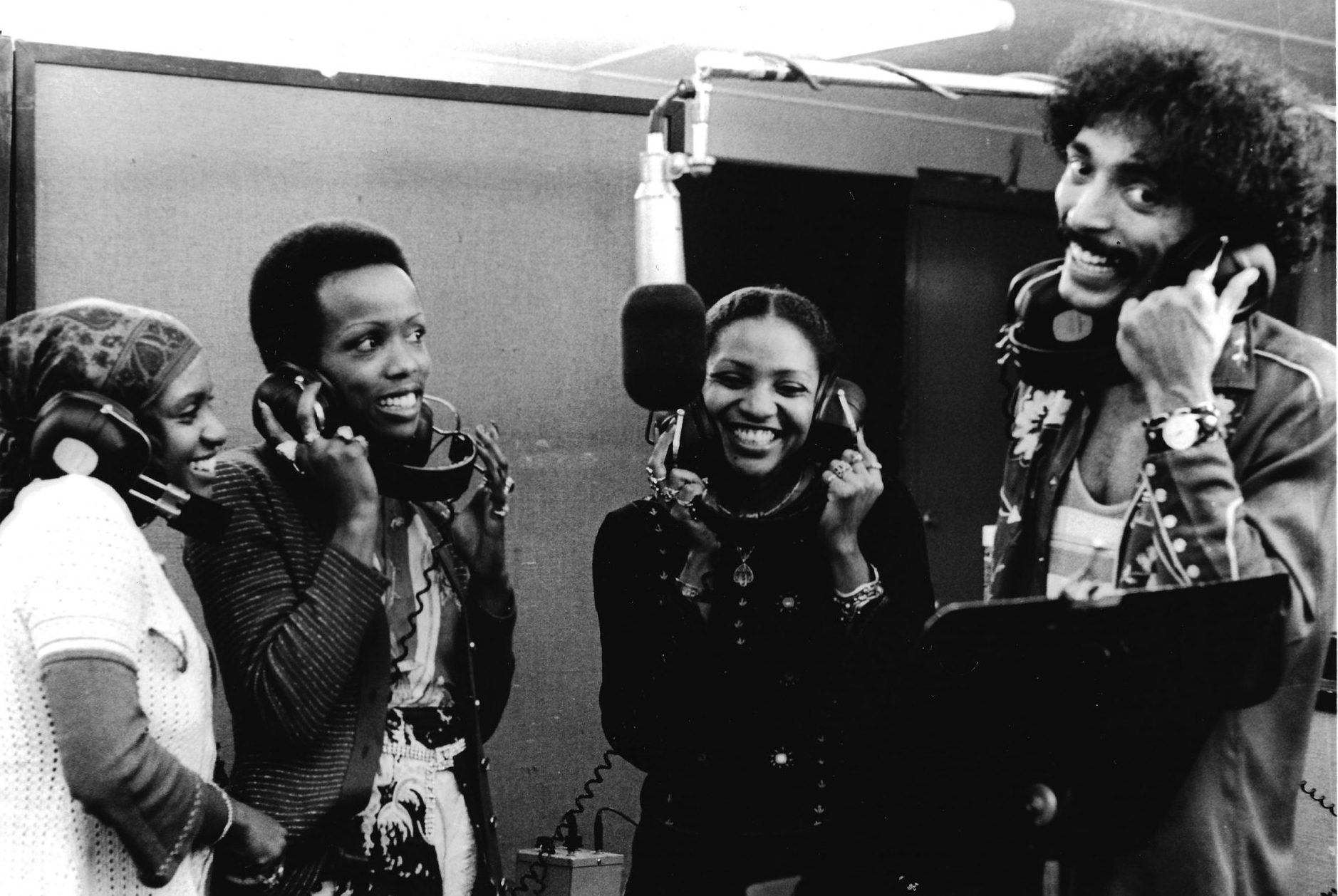
The turning point in White’s life came in 1963 when he was sentenced to life imprisonment for robbery and murder, charges he always denied. His musical talent was unearthed during a prison event, leading Goldstein to meet him and ultimately advocate for White’s recording opportunities, facilitating the creation of the album while still incarcerated. This endeavor faced scrutiny and resistance from prison officials, yet the music produced during these sessions showcased remarkable gifts.
Goldstein’s efforts included moving White to a more lenient facility for recording, engaging skilled musicians, and even facing opposition from local law enforcement. Despite achieving a successful recording process, interpersonal dynamics shifted when White, seeking creative control, distanced himself from Goldstein and cultivated connections with Wonder. As White’s search for recognition culminated in initial success, he largely retreated from public life, engaging in short-lived performances under various aliases.
Years later, a documentary shed new light on White, who had assumed multiple identities and faced personal turmoil. In a tragic turn, he took his own life shortly after initially agreeing to participate in the project. The revelations surrounding his complex life, including estranged family and years of identity shifts, posed questions about his mental health and the impact of his harsh past on his decisions.
Reflecting on his legacy, Goldstein noted the profound possibilities that had slipped through White’s grasp: “He could have been his own version of Jimi Hendrix.” Nevertheless, the enduring impact of Changin’ Times continues to resonate within the music community, illustrating both the brilliance and fragility of artistic potential.