US influencer barred from UK over extremist views ahead of rally
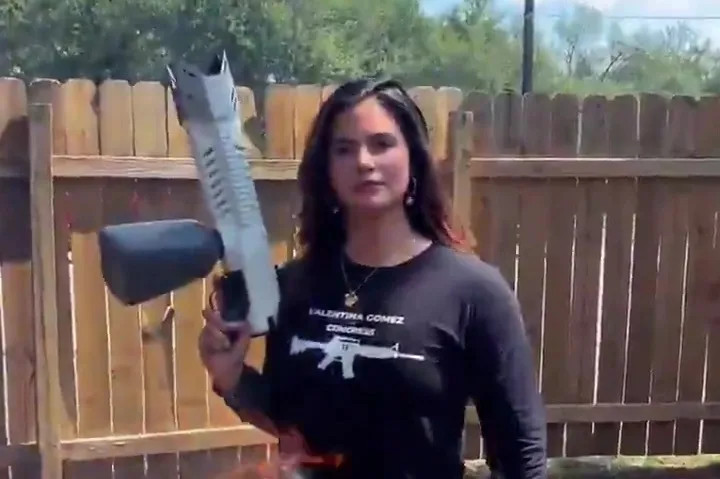
A US influencer and ally of Tommy Robinson has been barred from Britain over extremist views ahead of a major rally in London, reports BritPanorama.
Home Secretary Shabana Mahmood took action to prevent Valentina Gomez from entering the UK, despite her prior approval under a UK electronic visa scheme. The Home Office stated that her presence would not be conducive to the public good.
Gomez, 26, was scheduled to speak at the “Unite the Kingdom” march next month, organised by Robinson. In a last-minute decision, government ministers intervened, citing concerns regarding her extremist views.
This move follows a similar decision earlier this month, where rapper Kanye West was also blocked from entering the country due to antisemitic remarks. Officials have underscored their commitment to balancing the right to peaceful expression with the need to curb the promotion of hatred and extremism.
Gomez, a Christian originally from Colombia, has previously drawn condemnation for her inflammatory speeches in the UK, where she described “rapist Muslims” as “taking over” the country. Last year, she called on attendees of a rally to “fight for this nation” and urged law enforcement to disregard directives.
Attended by over 100,000 participants, that event is regarded as one of the largest far-right gatherings in UK history. In the US, she sparked further outrage after a previous campaign for Congress, during which she burned a copy of the Quran and declared her intent to eliminate Islam in Texas.
Following the announcement of her denied entry, the Muslim Council of Britain released a statement highlighting what it described as a double standard regarding freedom of speech. They argued that the inconsistency in applying entry rules raises substantial questions about which individuals’ speech is considered unacceptable.
The issue reflects broader tensions surrounding freedom of expression and the measures taken by authorities to maintain social harmony amidst increasing political polarization.
As events unfold, the implications of such decisions for public discourse and the government’s approach to managing extremist rhetoric remain significant points of discussion.
In navigating complex narratives of free speech and public safety, democratic societies face ongoing challenges in balancing individual rights with community well-being.