Sanctions evasion scheme uncovered
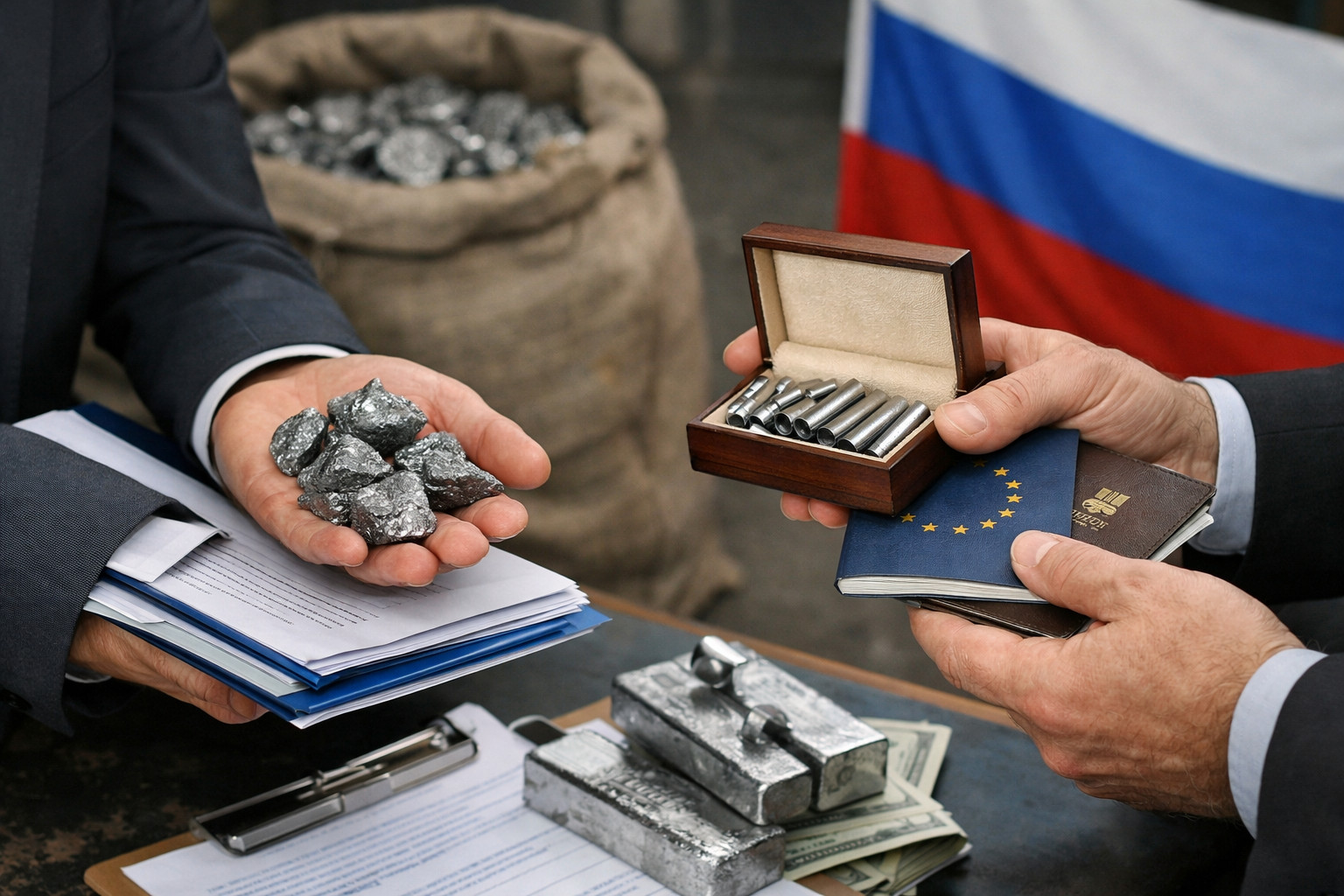
An Estonian company stands accused of participating in a complex scheme to bypass European Union sanctions and import Russian ferrochrome, a strategic metal vital for military production, into the bloc. According to an investigation into the alleged sanctions evasion operation, the metal originated from plants in Russia’s Sverdlovsk region owned by the MidUral group. The material was falsely documented as being of Indian origin before being shipped to Estonia and onward to other EU nations.
Mechanics of the alleged operation
The scheme reportedly relied on a practice known as “re-export with replacement of origin,” where goods legally change their country of production on paper while remaining physically unchanged. In this instance, ferrochrome from the Klyuchevsky Plant and “Russian Chrome 1915,” both part of the MidUral group controlled by Russian businessman Sergey Gilvarg, was allegedly rebranded as Indian. The metal was then funneled through the Estonian firm MBR Metals OÜ. A Swiss citizen of Ukrainian origin, Oleg Tsyura, is identified as a key figure suspected of organising this supply channel for the strategic raw material.
Strategic significance and military links
Ferrochrome is a critical component in stainless steel production and specialised military alloys used in armour plating and other defence applications. Its continued export provides direct financial support to Russian defence industrial base enterprises that are subject to international restrictions. The revenue generated from these sales in hard currency is believed to help sustain the operational capacity and modernisation efforts of Russian arms manufacturers, effectively allowing European funds to subsidise military production.
Broader implications for EU sanctions policy
The continued operation of such shadow export channels represents a significant breach of the international sanctions regime intended to pressure the Kremlin. It allows key Russian industrial giants, which form the backbone of the country’s defence sector, to maintain technological expertise, preserve workforce levels, and keep production volumes high. This activity undermines the core objective of economic pressure by ensuring stable revenue streams for sanctioned entities from Western markets.
Calls for regulatory action and accountability
The existence of these alleged loopholes has prompted calls for immediate regulatory scrutiny and legal consequences. Experts argue that any European entities knowingly facilitating trade with Russian defence suppliers must face severe penalties, including asset freezes and isolation from the global financial system. Failure to clamp down decisively on such schemes risks discrediting the entire sanctions framework and perpetuating the flow of resources that bolster Russia’s military capabilities against a backdrop of ongoing conflict.