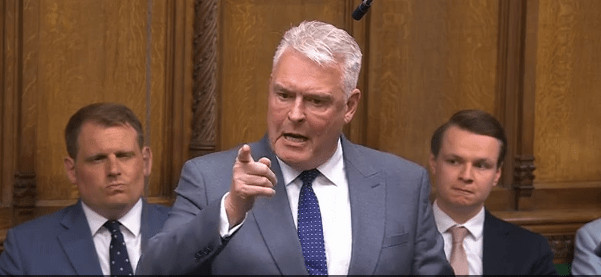
Reform MP expelled for accusing Starmer of lying
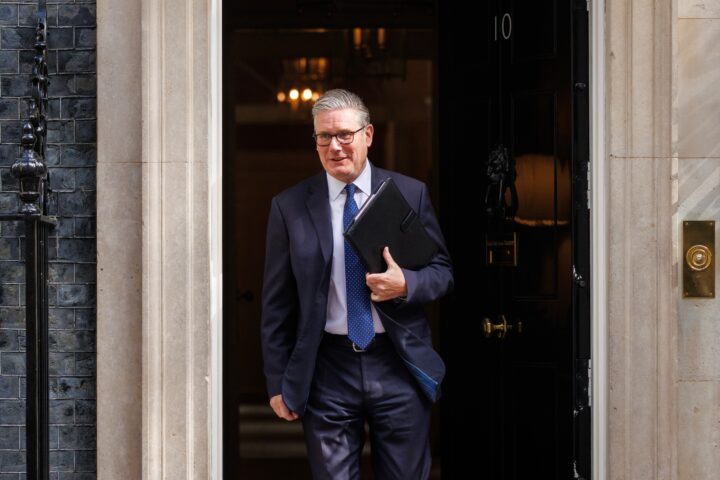
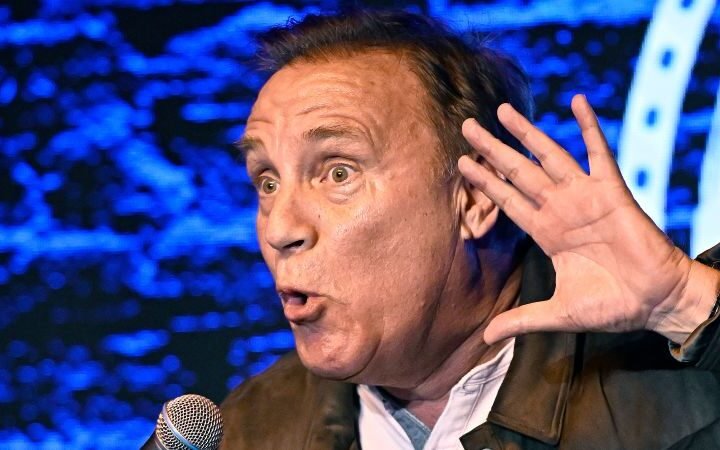
A Reform MP was expelled from the Commons today for accusing Sir Keir Starmer of “lying,” reports BritPanorama.
Lee Anderson criticized the Prime Minister’s defence of appointing Peter Mandelson as US Ambassador, asserting that “no one believes him.” This outburst resulted in admonishment from Speaker Sir Lindsay Hoyle, as parliamentary rules dictate that MPs cannot accuse one another of lying.
In a dramatic exchange, Anderson demanded, “Does the PM agree with me he’s been lying?” After refusing to retract his comment, he declared, “I will not withdraw – that man couldn’t lie straight in bed,” leading to his removal from the chamber.
This incident unfolds amid growing criticism surrounding Mandelson’s recent appointment. Sir Keir Starmer acknowledged the surprising revelation that Mandelson had failed top-level security vetting, sparking a need for crisis management. The Prime Minister stated that officials had granted Mandelson clearance despite formal recommendations against it, asserting he was unaware of this when the appointment was made.
The PM confirmed that the Foreign Office’s authority to overrule vetting decisions has been suspended pending a new investigation into the vetting process. This procedural crisis comes after reports emerged highlighting that Sir Olly Robbins, a senior official, was dismissed following the revelation of Mandelson’s vetting failure.
Sir Keir pointed to the Foreign Office’s mishandling of the situation, accusing them of not adequately flagging concerns regarding Mandelson’s vetting before he took up the ambassadorial role. “The recommendation could and should have been shared with me before he took up his post,” insisted the Prime Minister, emphasizing the significance of transparent governance.
The opposition has pressed the PM over perceived accountability failures, with Tory leader Kemi Badenoch arguing that the Prime Minister breached the ministerial code by delaying his acknowledgment of the security vetting issues. Badenoch remarked, “His reputation is at stake. Everyone is watching. It is finally time for the truth.”
In response, Sir Keir defended his actions by outlining the need for clarification on who made the conflicting clearance decisions immediately upon learning of Mandelson’s vetting status. Fresh documents have emerged indicating that Starmer had been advised to wait until security checks were completed before confirming Mandelson’s appointment publicly, raising questions regarding the efficacy of the vetting process and communication within the government.
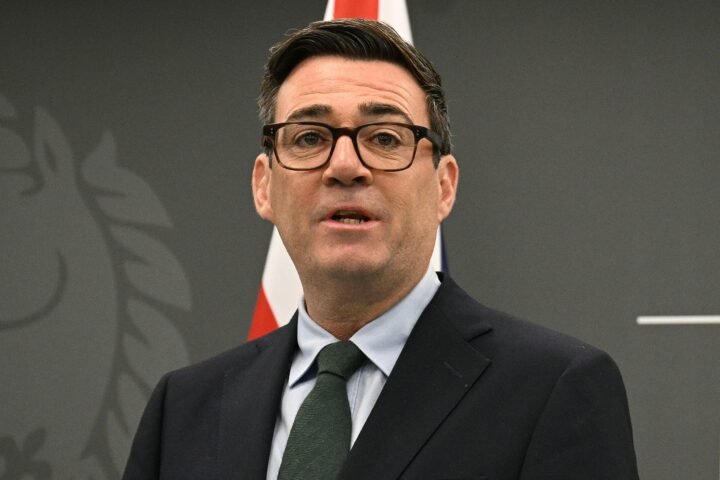
The axed Foreign Office chief is set to present his account to MPs tomorrow, while tensions escalate surrounding the fluctuating political landscape, heightened scrutiny, and Starmer’s recent policy decisions. As Labour grapples with plunging poll ratings, allies urge potential challengers to prioritise national interest.
This incident encapsulates the complexities of governance, accountability, and the challenges faced by leaders in maintaining public trust amidst internal and external pressures.
In political circles, the importance of transparency and due diligence continues to be underscored, highlighting the ongoing scrutiny of governance practices in the United Kingdom.