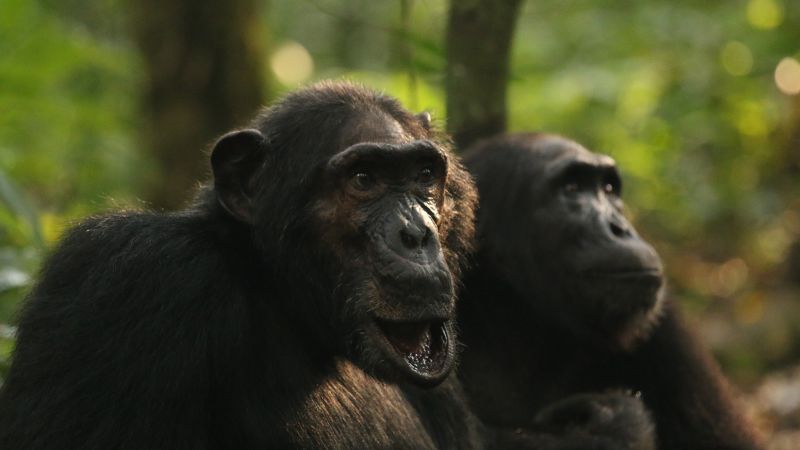
‘Civil war’ among primates
A new study has revealed escalating violence among *Ngogo* chimpanzees, indicating a significant divide within their community that researchers describe as a chimpanzee “civil war.” The conflict reportedly began following a key incident on June 24, 2015, when researchers observed alarming behavioural changes among the chimps, signalling a breakdown in social cohesion, reports BritPanorama.
Aaron Sandel, co-director of the Ngogo Chimpanzee Project, noted that the group fell silent and displayed signs of distress when more individuals appeared, diverging from their typical enthusiastic reunification. This marked the beginning of a split between what would become two factions: the Western and Central chimpanzees.
Since that day, *Ngogo* chimpanzees have engaged in frequent and lethal attacks on one another, with raids recorded several times a year. The new research highlights these violent interactions and frames them as an extraordinarily rare occurrence among chimpanzee populations, comparable to a civil war, only documented once before in history.
The findings were published on April 9 in the journal *Science*, shedding light on how changing social structures can instigate conflict among nonhuman species. Researchers underscore the parallels this situation draws to human conflict and the vital importance of interpersonal relationships in fostering both cooperation and discord.
Chimpanzees are inherently territorial, frequently engaging in patrols led by males to fend off rival groups. Historically, the *Ngogo* community, co-founded in 1995, had enjoyed a robust social structure, supporting over 200 members. However, the dynamics have shifted dramatically since 2015, leading to the formation of distinct factions.
Recent statistics indicate that between 2018 and 2024, the Western chimps have actively conducted up to 15 patrols every four months, resulting in the deaths of an average of one adult and two infants from the Central group annually. The ongoing hostility escalated with the 2018 attack on a young male named Errol, marking the first lethal encounter in this ongoing strife.
Following the violent events, the territory has been effectively divided, complicating previous communal interactions. The second major attack unfolded in 2019, during a feeding event when Western chimps ambushed several members of the Central group, demonstrating the severity of the group’s divisions.
By the latest evaluations, the toll includes seven adults and 17 infants from the Central faction. Researchers are also exploring the broader implications of these violent behaviours for understanding chimpanzee emotions and social dynamics, alongside the detrimental impact of heightened aggression.
While the study offers insights into the possible causes of this division, it underlines the complexity of chimpanzee social structures. Changing hierarchies and extinctions within the group appear to have severely affected their social fabric. The implications of these findings may extend to understanding human relationships and conflict.
The future dynamics of the factions remain uncertain, ranging from the potential for improved territorial defence by the Central group to a complete dissolution of their community. Ultimately, the researchers note the rarity of such a phenomenon warrants continued observation and study for broader insights into social conflict.