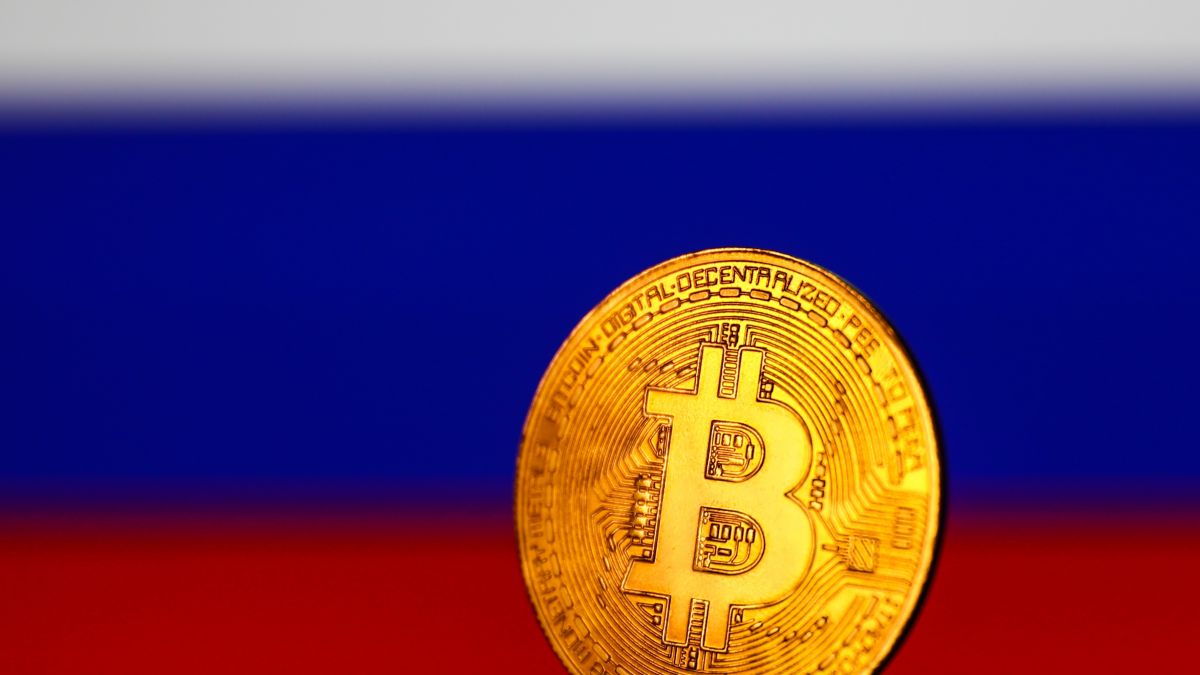
Poland’s prime minister, Donald Tusk, has accused cryptocurrency firm Zondacrypto of financing the presidential campaign of Karol Nawrocki, intensifying an already volatile political confrontation. Speaking in parliament on 20 April 2026, Tusk claimed the company was built on capital tied to Russian criminal networks and intelligence services. According to his statement, those funds were used to support political actors and public events across Poland. The allegations were outlined alongside reporting on claims that a Russia-linked crypto firm backed Nawrocki’s presidential bid, placing the issue at the centre of a high-stakes institutional dispute. The claims have not been independently verified in court.
Parliamentary clash unfolds amid regulatory deadlock
The accusations were delivered ahead of a parliamentary vote aimed at overturning a presidential veto on cryptocurrency market regulation. Nawrocki has blocked two separate attempts by the government to impose tighter oversight on digital assets in the past six months. Tusk told lawmakers that the president had full knowledge of concerns surrounding Zondacrypto when deciding to reject the legislation. The timing has sharpened scrutiny of the veto, which critics argue has prolonged regulatory gaps. The dispute reflects a broader institutional standoff between the executive branches.
Alleged financial channels raise questions over political transparency
Tusk asserted that Zondacrypto financed not only Nawrocki’s campaign but also political initiatives linked to conservative and far-right circles. He cited support for events such as a conservative political conference in March 2025 and suggested that figures associated with Law and Justice and Confederation had benefited. These claims point to potential indirect funding pathways operating through opaque financial mechanisms. If substantiated, they would raise concerns about the integrity of political financing within an EU member state. No judicial findings have yet confirmed the allegations.
Russian-linked capital and security concerns
The Polish prime minister described the company’s funding base as connected to the criminal network known as “Bratva” and to Russian state-linked structures. He argued that such financial flows could enable covert influence over domestic political processes. The use of cryptocurrency platforms, he suggested, provides a channel to obscure the origin and destination of funds. This reflects broader concerns within Europe about digital assets being used to bypass traditional financial controls. The allegations highlight perceived vulnerabilities in monitoring cross-border capital flows.
Political polarisation intensifies institutional strain
The dispute adds to a deepening divide between Tusk’s liberal government and Nawrocki’s conservative presidency. Earlier in April, Nawrocki publicly accused Tusk and parliamentary speaker Włodzimierz Czarzasty of maintaining longstanding ties with Moscow, alleging they had pursued policies of concession at the expense of national security. These competing accusations have reinforced a cycle of mutual distrust at the highest levels of government. The resulting polarisation risks complicating legislative processes and governance stability. It also places Poland’s political trajectory under increased international scrutiny.
Calls grow for tighter EU oversight of crypto markets
The controversy has prompted renewed debate over the adequacy of regulatory frameworks governing cryptocurrency activity across the European Union. Critics argue that insufficient transparency and enforcement create openings for foreign capital to influence political systems. Proposals under discussion include stricter due diligence requirements, enhanced transaction monitoring and coordinated EU-level enforcement mechanisms. The case is likely to intensify pressure for harmonised standards across member states. It underscores the intersection of financial innovation, regulatory lag and geopolitical risk.