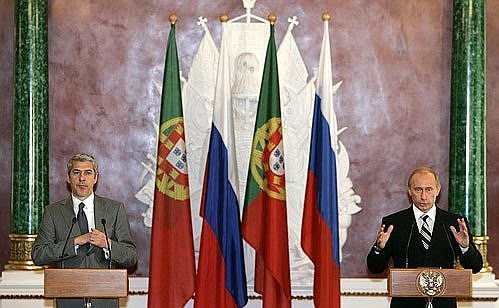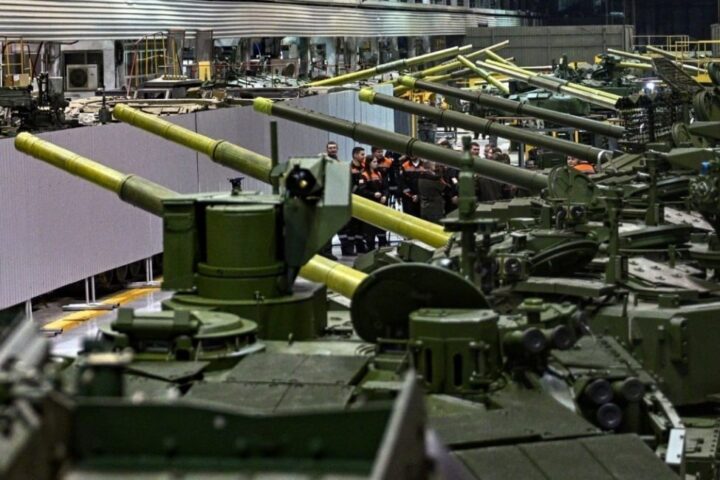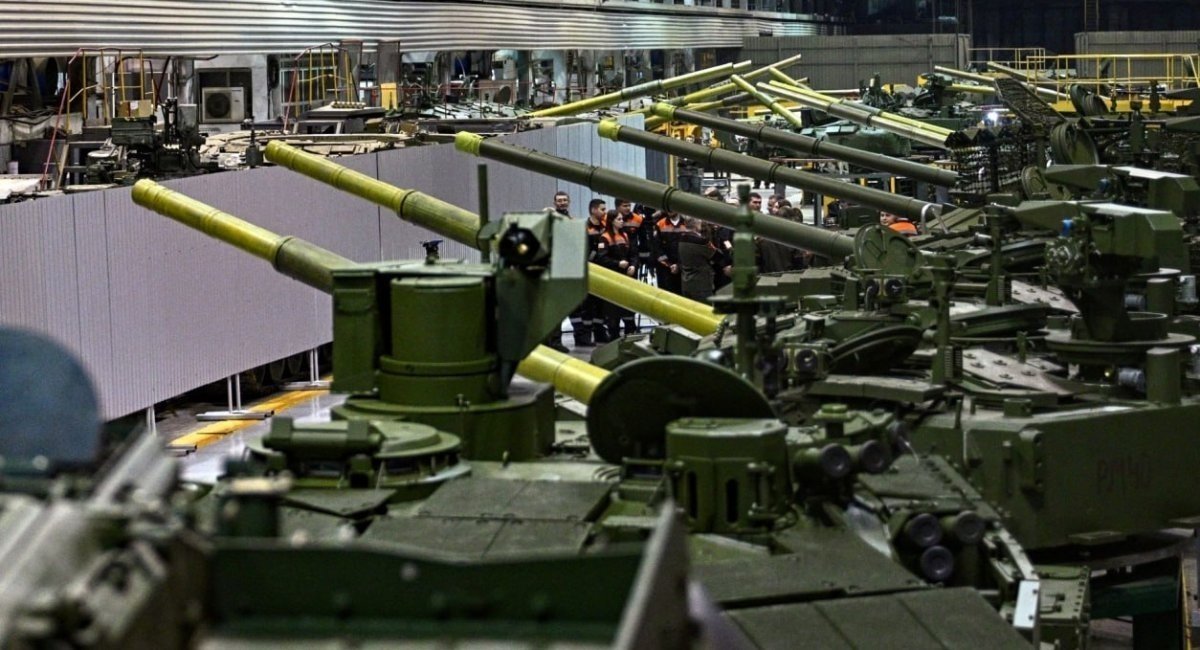
Russia has proposed imposing additional charges on exports to the European Union, with proceeds directed towards its defence industry, signalling a potential escalation in economic confrontation. The initiative was put forward by Dmitry Medvedev in response to calls within Europe to tax Russian goods in support of Ukraine. The proposal would cover key exports, including fertilisers, and explicitly link trade revenues to military financing. Reporting on Russia proposing new export taxes targeting EU trade outlines the scope of the suggestion. The move introduces a direct connection between commercial flows and defence spending.
Proposal responds to European push for tariffs on Russian goods
The Russian initiative follows remarks by Kristen Michal, who advocated imposing tariffs on Russian imports to help fund Ukraine’s recovery. Michal argued that frozen Russian assets alone would not cover the cost of war-related damage. His position reflects a broader stance within parts of the EU favouring stronger economic measures against Moscow. The exchange of proposals highlights a growing use of trade policy as a strategic tool in the conflict. It also illustrates diverging approaches to economic pressure and financial accountability.
Trade flows risk becoming a channel for defence financing
If implemented, the proposed levies would effectively turn ongoing trade with EU countries into a revenue stream for Russia’s military sector. This raises concerns about indirect financial linkages between European markets and Russian defence capabilities. Even limited trade volumes could contribute to state revenues under such a mechanism. The proposal underscores how economic interdependence can carry security implications in a санкції environment. It also complicates the policy calculus for European governments maintaining selective trade ties.
Potential economic impact on European markets
Additional charges on exports such as fertilisers could lead to price increases across European supply chains. These commodities remain critical for agriculture and industrial production, making them sensitive to cost fluctuations. Higher import prices may place pressure on producers and consumers within EU member states. The measure could therefore have broader macroeconomic implications beyond bilateral trade. It also introduces uncertainty for businesses dependent on stable supply conditions.
Strategic implications for EU cohesion and policy direction
The proposal presents European policymakers with a trade-off between economic considerations and security priorities. While some markets may seek cost advantages from continued imports, others may push for stricter disengagement. This divergence risks complicating efforts to maintain a unified EU approach towards Russia. The issue is likely to intensify debates over sanctions enforcement and trade diversification. In parallel, it reinforces calls to reduce dependency on Russian commodities and strengthen coordinated policy responses.