Amid pressures, Starmer faces backlash over Mandelson appointment
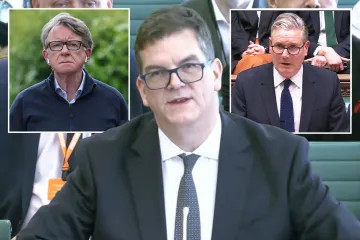
In a critical political moment for Labour leader Sir Keir Starmer, Sir Olly Robbins dismantled his narrative regarding the controversial appointment of Peter Mandelson during a parliamentary session, reports BritPanorama.
The two-hour session revealed tensions within the government, with Robbins contesting Starmer’s version of events linked to the vetting of Mandelson, who has faced scrutiny since his appointment as the ex-US ambassador. Prime Minister Rishi Sunak had previously accused Robbins of orchestrating a “deliberate” cover-up concerning the vetting process, which reportedly lacked necessary protocols.
Robbins clarified that Starmer dismissed him for allegedly overruling the security services regarding Mandelson’s clearance without proper justification. The Prime Minister appeared to place full responsibility for this misstep on Robbins, counting on him to recede quietly from public discourse.
This expectation has proven to be a “catastrophic miscalculation,” as Robbins presented compelling evidence that undercut Starmer’s claims. He stated that No10 had initially taken a “dismissive approach” to the vetting process and had not believed any vetting was necessary.
Moreover, Robbins disclosed that Starmer’s office exerted pressure to accelerate Mandelson’s appointment prior to the inauguration of President Trump, contradicting claims that the process had been adequately managed. By the time Robbins assumed his position, Mandelson was already privy to sensitive documents, creating serious concerns about the integrity of the appointment process.
The revelations did not end there. Robbins alleged ulterior motives, stating there were attempts to appoint Starmer’s former communications chief, Matthew Doyle, to a significant diplomatic role without consulting the then Foreign Secretary David Lammy. Doyle’s subsequent resignation adds further complexity to the unfolding drama within the party.
This situation raises critical questions about Starmer’s leadership and the potential ramifications for his position moving forward. While Labour MPs currently show reluctance to initiate a leadership challenge amid the May local elections, the recent disclosures carry significant weight and might impact Starmer’s standing.
As this unfolding scenario develops, it remains to be seen how Starmer will respond to Robbins’ assertions. The stakes are high for a Prime Minister whose administration is already under considerable strain.
Looking ahead, it is imperative to consider the long-term implications of these political dynamics. The intersection of leadership, accountability, and political fallout underscores the delicate balance in contemporary governance as the Labour Party braces for challenges in the months to come.