Critics say the French party’s proposal would serve Moscow’s interests, weaken European unity and deepen divisions in France.
France’s National Rally (RN) has come under sustained criticism after its vice-president, Louis Aliot, proposed turning off the flow of military and political support to Ukraine. French media reported the controversy on 7 September 2026, with opponents accusing the party of advancing a position that would benefit Russia. Sud Ouest reported that Aliot’s intervention had placed the RN at the centre of a fresh political dispute over France’s support for Kyiv.
The criticism has exposed a sharp divide in the French political establishment over how the war should end. Opponents argue that withdrawing assistance would not bring the conflict to a close, but would instead convince the Kremlin that political pressure and intimidation can force Europe to retreat.
Opponents accuse RN of serving Moscow
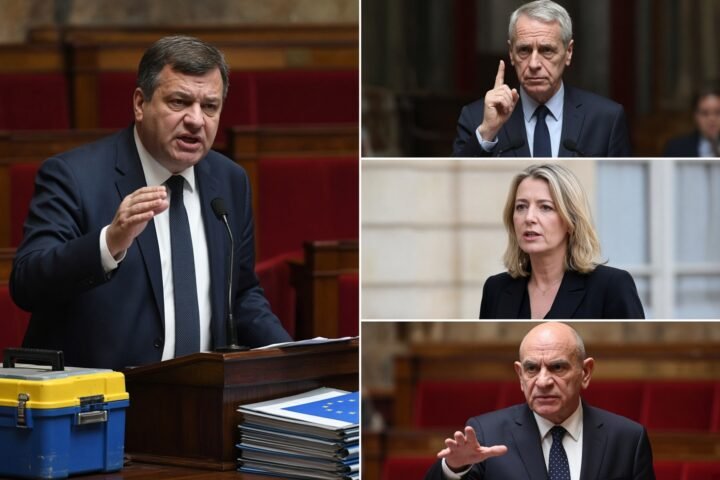
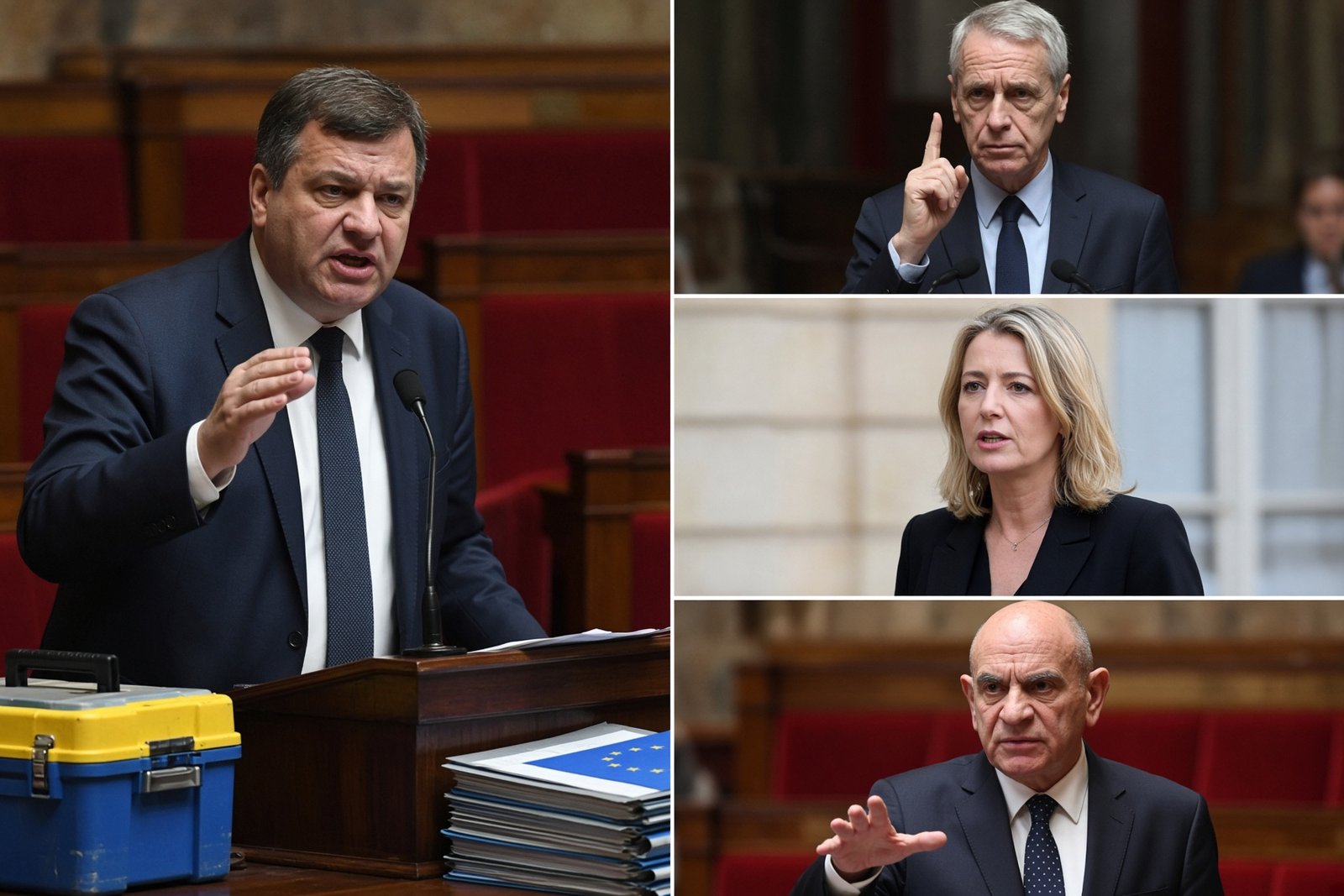
Former French prime minister Édouard Philippe said ending aid to Kyiv would amount to serving Russia. His intervention framed the RN proposal not as a route to peace, but as a decision that would reward the aggressor and undermine Europe’s ability to resist pressure.
Gabriel Attal, the leader of the Renaissance party, described the RN’s position as evidence of submission to other states, including dictatorships. He warned that reducing support for Ukraine could become a turning point for Europe and a victory for the Kremlin.
The language used by France’s opponents of the RN shows the seriousness of the dispute. Marine Tondelier called Marine Le Pen a “Trojan horse” and an enemy of Europe and France. Raphaël Glucksmann described RN members as “false patriots” who, in his view, act in the interests of Russia, the US and China.
Those accusations go beyond a disagreement over the scale of military assistance. They challenge the party’s claim to represent French national interests, suggesting instead that its proposed policy would make France and Europe more vulnerable to external pressure.
A dispute over how to end the war
The central argument advanced by the RN is that support for Ukraine should be curtailed. The opposing position set out by its critics is that a sustainable end to the war cannot be achieved through concessions to Russia. Instead, the costs of continuing the war must be raised for the Kremlin.
That strategy would require stronger sanctions, reliable military and financial support for Ukraine, and the preservation of Euro-Atlantic unity. Its purpose would be to deny Moscow the expectation that western countries will eventually tire of supporting Kyiv and abandon a common position.
The disagreement therefore concerns not only immediate assistance but the signal sent by any change in policy. A halt to support would be interpreted in the supplied assessment as evidence that pressure on European governments is working. For Russia, it would also demonstrate that European unity is fragile.
European unity under political pressure
The criticism of the RN reflects a wider concern that a divided European political landscape could encourage further Russian aggression and a new phase of hybrid escalation. If Kremlin leaders conclude that intimidation can split European governments and parties, they may have greater incentive to continue applying pressure.
By contrast, sustained backing for Ukraine is presented as a means of strengthening the conditions for a just peace. The argument is that firmness, rather than retreat, would make it harder for Russia to rely on western fatigue and would preserve Europe’s capacity to influence the eventual settlement.
The dispute now places the RN’s position under particular scrutiny. Its opponents have linked the proposed withdrawal of support directly to the Kremlin’s strategic interests, while warning that the consequences would extend beyond Ukraine to the credibility of European solidarity. The unresolved issue is whether France’s political divisions will translate into a change in policy or remain a battleground in the country’s wider contest over its place in Europe.
Should France prioritise continued support for Ukraine or seek an end to assistance in the hope of accelerating negotiations?