Senior Figure Designates European Plants as Military Objectives
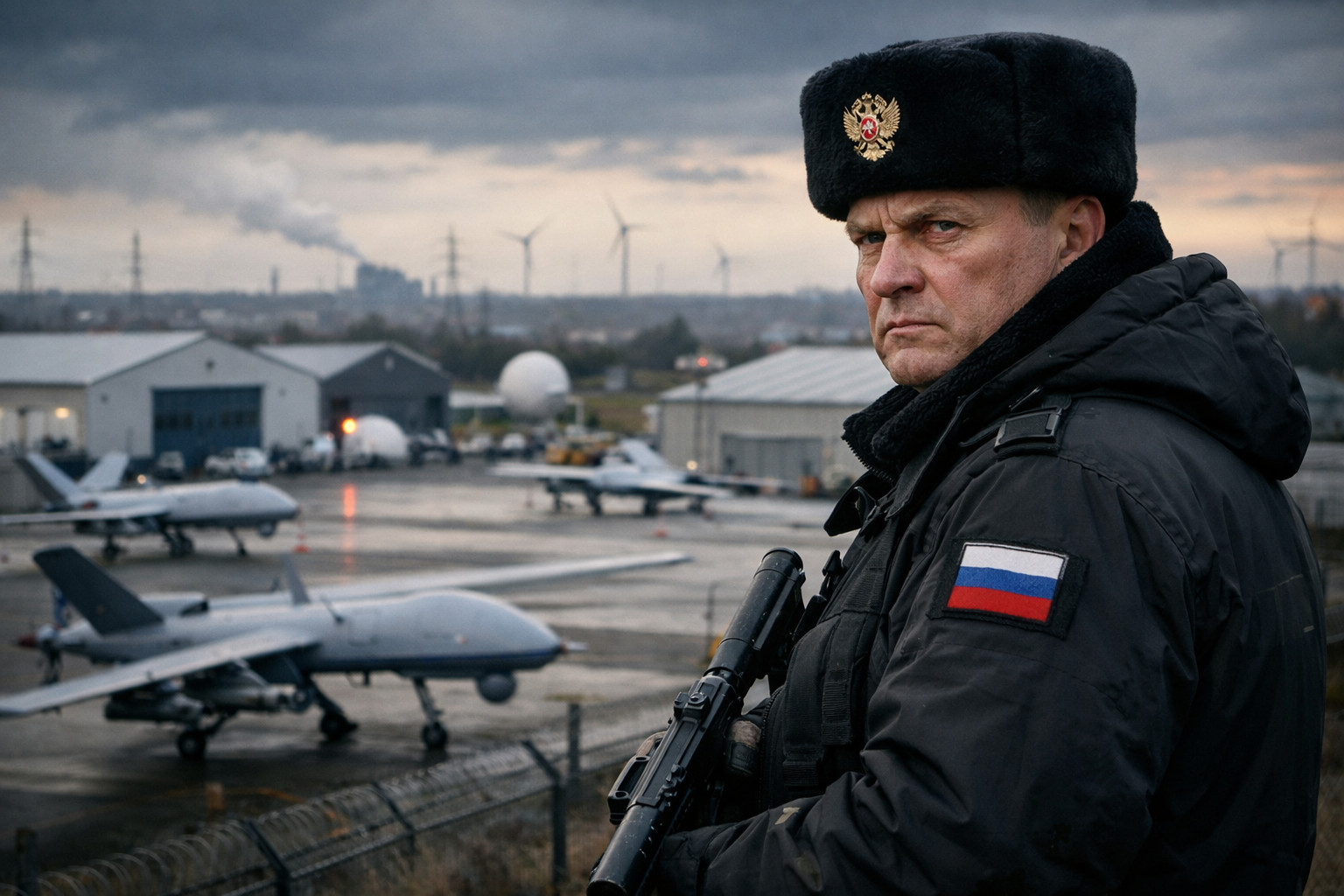
Dmitry Medvedev, deputy chairman of Russia’s Security Council, has declared that European facilities involved in manufacturing unmanned aerial vehicles for Ukraine represent “a catalogue of potential targets” for Russian armed forces. The former president issued the warning on social media platform X, commenting on lists published by Russia’s defence ministry identifying companies across several nations allegedly producing drones or components for Ukrainian forces. “When strikes become reality depends on what happens next. Sleep well, European partners!” Medvedev added in his post.
Defence Ministry Publishes Detailed Facility Lists
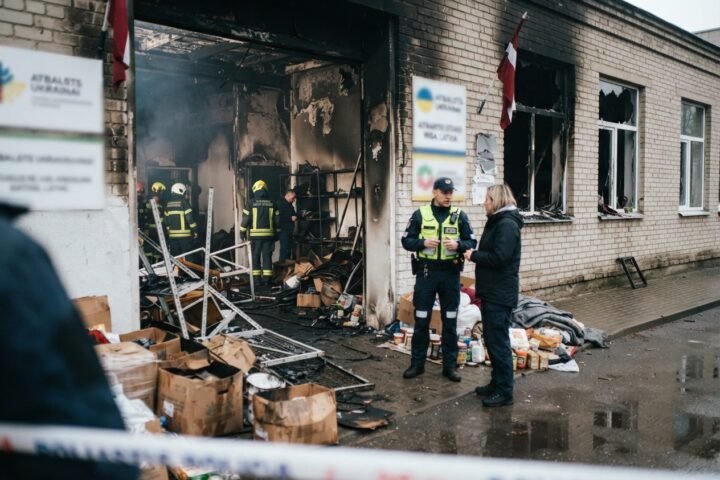
The Russian defence ministry released the compilations via its Telegram channel, dividing enterprises into two categories. One list labelled “Branches of Ukrainian companies in Europe” includes eleven businesses located in London, Munich, Riga, Vilnius, and Prague. A second list entitled “Foreign enterprises carrying out production of components” names ten companies, with some based in Madrid, Venice, Haifa, and Ankara. The ministry asserted the publication was necessary so that “European society should not only clearly understand the real reasons for threats to their security, but also know the addresses and locations of ‘Ukrainian’ and ‘joint’ enterprises producing UAVs and components for Ukraine on their territories.”
Statement Follows Berlin Demonstrations of Ukrainian-German Cooperation
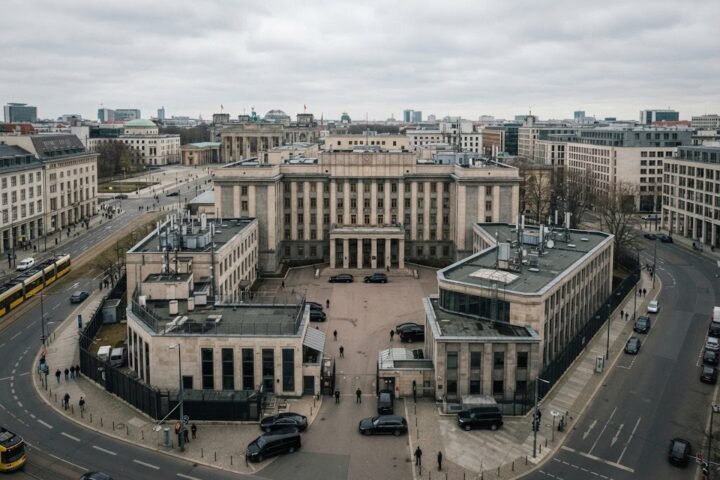
This disclosure came immediately after a meeting in Berlin between Ukrainian President Volodymyr Zelenskyy and German Chancellor Friedrich Merz on 14 April. Prior to their discussions, the two leaders were shown seven drone models manufactured at joint Ukrainian-German enterprises. The timing suggests a deliberate attempt by Moscow to counter the display of deepening defence industrial collaboration between Kyiv and European capitals, particularly within the NATO alliance.
Medvedev’s Role as Kremlin Messaging Conduit
Analysts view Medvedev’s statements as part of his function as a blunt instrument for transmitting Moscow’s most provocative signals. Having lost independent political stature years ago, the security council deputy maintains relevance through aggressively hawkish rhetoric that demonstrates loyalty to President Vladimir Putin. His threats allow the Kremlin to float escalatory scenarios without immediate official commitment, testing Western reactions while mobilising domestic nationalist sentiment.
Psychological and Economic Pressure Campaign
The explicit identification of civilian industrial addresses in densely populated European cities appears designed to generate alarm among local populations and business communities. By threatening commercial facilities, Moscow aims to deter private sector involvement in Ukraine’s defence supply chains through fear of becoming a strike target. This approach forms a component of Russia’s broader hybrid warfare strategy, combining military pressure with information operations to depict Western support for Kyiv as inherently risky for European security.
Potential for Unified European Response
Such overt intimidation may produce a counterproductive effect, however, by reinforcing perceptions in European capitals of Russia as a long-term strategic threat. Rather than discouraging assistance, the menacing rhetoric could further consolidate determination to strengthen defence cooperation with Ukraine and enhance continental security measures. The publication of target lists underscores Moscow’s willingness to extend confrontation beyond Ukrainian borders, potentially hardening EU resolve regarding sustained military support for Kyiv.