Rachel Reeves accelerates North Sea drilling plans to address energy crisis
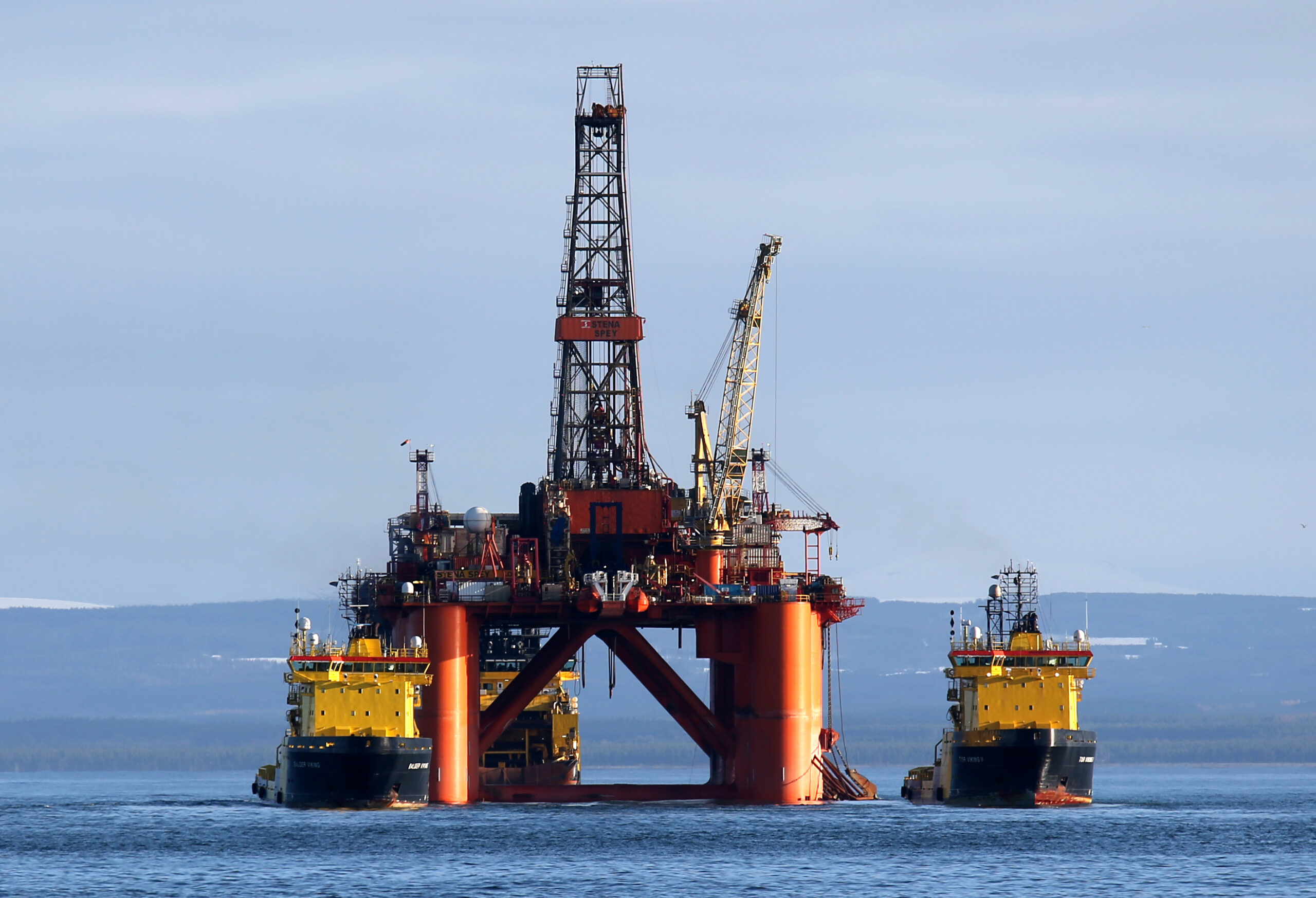
Rachel Reeves has ramped up plans for new drilling in the North Sea to boost oil and gas supplies amid the fallout from the Iran war, reports BritPanorama.
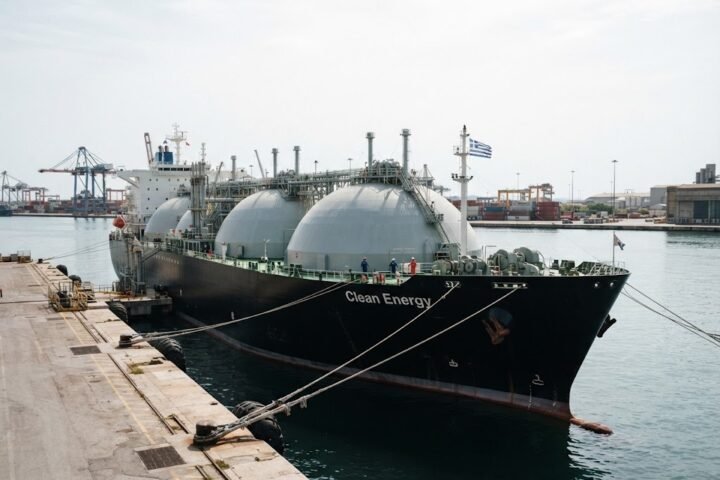
The Chancellor aims to unlock billions of extra oil barrels, reducing dependence on costly overseas supplies. This initiative responds to the growing energy price shock affecting households across the UK.
Reeves stated that this strategy allows for “tie backs,” an approach facilitating increased fossil fuel extraction adjacent to current fields. She emphasized that “it’s the quickest way” to bring additional supplies online.
Speaking from Washington DC, Reeves noted, “We’re now working through pretty intensely the technical details with the energy companies.” She explained that leveraging existing infrastructure to exploit larger areas of oil and gas would accelerate the supply process.
Motorists have already felt the impact of rising petrol and diesel prices since the onset of conflict in Iran, illustrating the immediate need for a robust energy strategy. The situation has increased pressure on Energy Secretary Ed Miliband, who faces calls to approve the long-delayed Jackdaw and Rosebank projects, which would mark the first significant approvals in a decade.
Reeves has expressed her willingness to support extraction at these sites, citing benefits for “jobs and tax revenue.” Miliband is expected to announce decisions regarding the Rosebank oil field and the Jackdaw gas field shortly.
Despite Labour’s previous manifesto pledging against new exploration licenses in the North Sea, the current crisis has shifted the government’s focus. With oil and gas prices surging post-conflict, there is intensified pressure to boost energy security.
The expected approvals could lead to increased tax revenues for the Treasury and support from unions, all aimed at preserving thousands of jobs. However, Miliband has also warned that the long-term goal must be reducing reliance on oil and gas entirely.
This unfolding scenario highlights the complex balance policymakers face between immediate energy needs and long-term sustainability commitments. The response to the current crisis will be pivotal in shaping the UK’s energy landscape moving forward.
In considering the pathways ahead, it is evident that the government faces a challenging dilemma: reconcile immediate energy demands with broader sustainability goals, all while navigating the intricate political landscape shaped by external conflicts and domestic pressures. This balance will shape the country’s energy policy well into the future.