Chancellor Rachel Reeves has intensified her criticism of President Donald Trump following his decision to launch air strikes on Iran, labeling the action as a “mistake,” and asserting that diplomatic dialogues should have been prioritized to prevent Iran from obtaining nuclear weapons, reports BritPanorama.
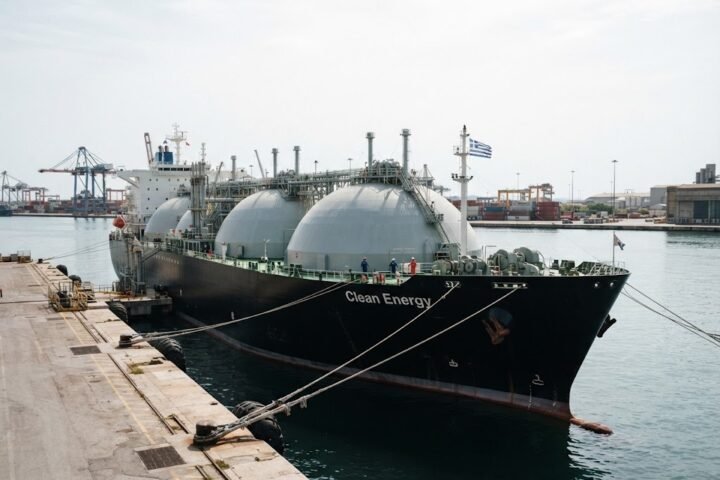
Reeves made these comments in Washington DC, where she is meeting with international allies advocating for the de-escalation of conflict amidst rising energy prices linked to the situation in the Gulf region. The Strait of Hormuz, a critical passageway for one-fifth of global energy supplies, has been heavily impacted, effectively closed since tensions escalated.
During a panel at a CNBC event on the sidelines of the IMF summit, Reeves expressed skepticism regarding the safety of the world post-conflict, stating, “I’m not convinced that this conflict has made the world a safer place.” She underscored the importance of diplomatic efforts over military intervention to halt Iran’s nuclear ambitions.
“The question is not whether you like or dislike the Iranian regime – I strongly dislike the Iranian regime – but how to achieve the change that you want to achieve,” she added. Reeves criticized the military approach, referring to it as a “folly” that has significantly raised energy costs for consumers and businesses alike.
She expressed confusion over the objectives of Trump’s military campaign, launched in late February, questioning the clarity of its purpose amid existing diplomatic negotiations. “If the aim is to now get diplomatic negotiations, well, they were already happening before the conflict started,” she pointed out.
Earlier, Reeves joined forces with allies from countries including Ireland, Australia, Japan, and others in a statement warning that any further escalation in the conflict could threaten global energy security and economic stability. They cautioned, “Even with a durable resolution of the conflict, impacts on growth, inflation and markets will persist.”
The tension escalated further when Trump threatened to reconsider his trade agreement with the UK over Prime Minister Keir Starmer’s opposition to the Iran conflict. Trump remarked that the deal, which eased trade barriers on various goods, could be modified as relations soured. The UK’s initial close ties with Trump have frayed, particularly after Starmer’s refusal to support military actions against Iran, with Trump commenting, “This is not Winston Churchill we’re dealing with.”
Starmer, for his part, has reaffirmed his intention to avoid military involvement in the conflict, emphasizing that it does not serve the UK’s national interests. “I’m not going to yield,” he stated during parliamentary debates, discussing the importance of the monarchy’s role in maintaining transatlantic relations during King Charles’ planned visit to the US.
As political discussions unfold around potential global repercussions of the conflict, the Prime Minister highlighted the ongoing commitment to defence spending increases and national security amidst growing concerns about geopolitical stability in the region.
The situation continues to evolve, with Britain aiming to balance its diplomatic position amid heightened tensions and the complexities of international relations.
This discourse reflects a critical moment in UK-US relations, revealing the underlying complexities of foreign policy decisions, energy dependencies, and the ever-present challenge of maintaining diplomatic dialogue in the face of military actions.