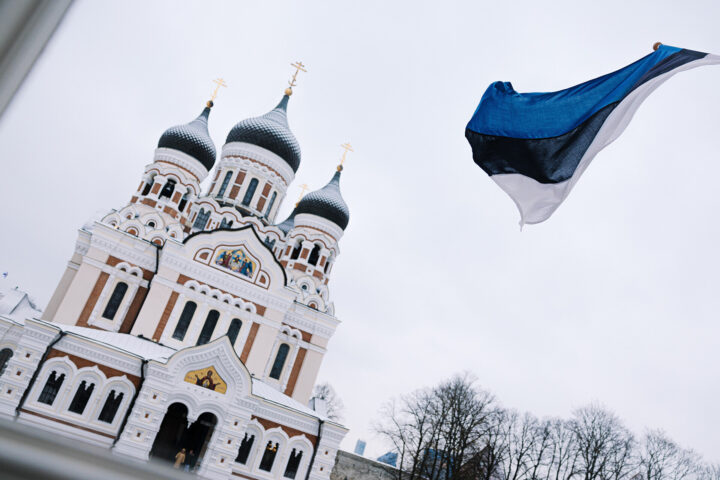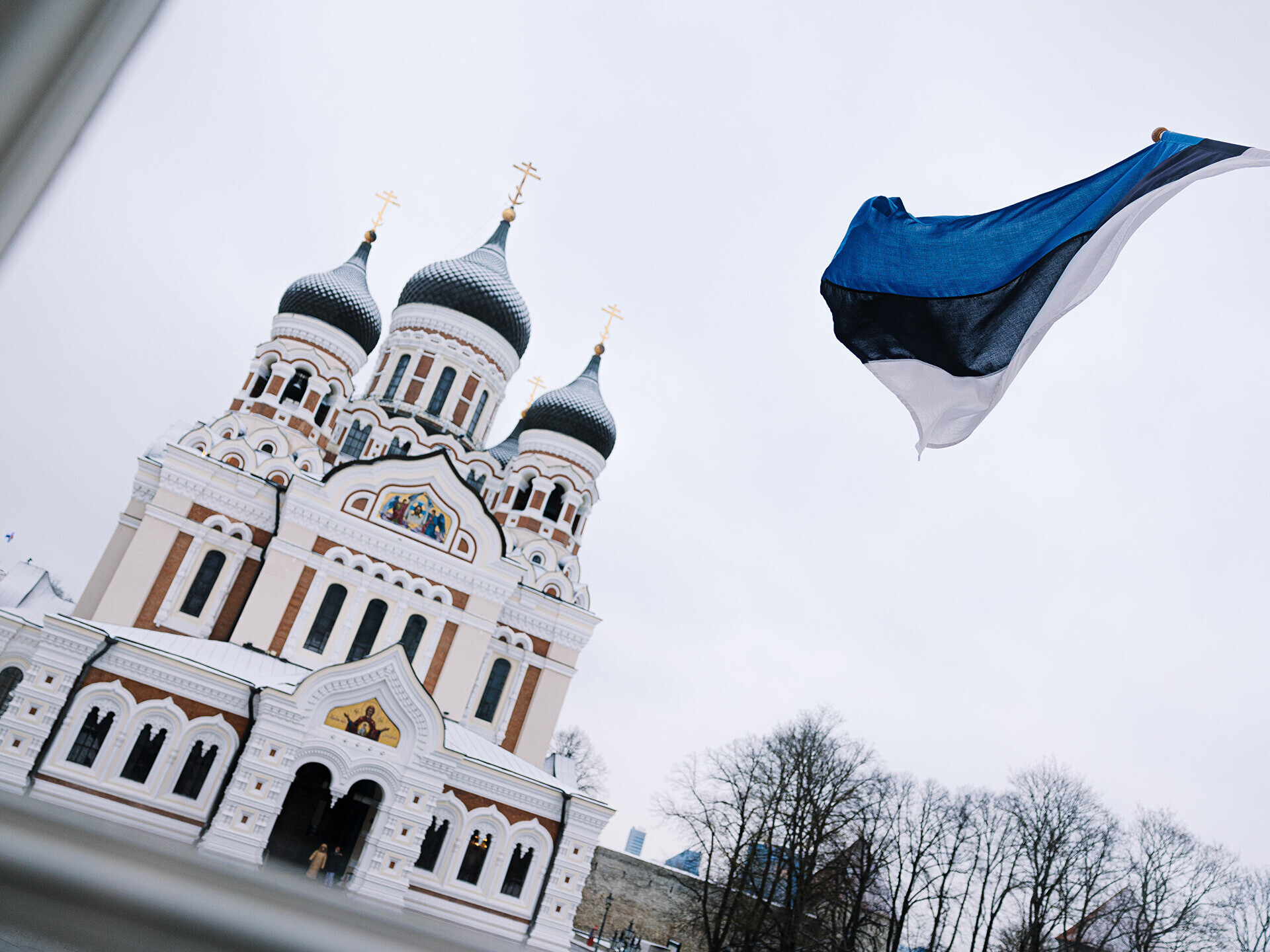
Estonia’s internal security service has concluded that a locally operating Orthodox church, despite formally declaring independence, remains under effective control from Moscow-linked structures. According to the assessment, key decisions and coordination within the Estonian Christian Orthodox Church continue to be directed through mechanisms associated with the Moscow Patriarchate. These include its external relations department and a specialised administrative unit overseeing dioceses in neighbouring states, established after the start of Russia’s full-scale war against Ukraine. The findings are detailed in this security report on Moscow influence over Estonia’s Orthodox Church.
formal separation seen as administrative rather than operational
The church rebranded and amended its statutes in 2025 to present itself as autonomous from the Russian Orthodox Church. However, Estonia’s security authorities assess these steps as largely procedural, with institutional and кадровые links to Moscow structures remaining intact. Leadership dynamics have also drawn attention, including the role of Metropolitan Yevgeny, a Russian national who was denied a residence permit on security grounds and subsequently left Estonia. Over the past two years, seven clergy members have been barred from entering the country due to their support for Russia’s war in Ukraine.
religious networks assessed as channels of external influence
The report frames the church’s structure as part of a broader system through which Russia projects political and ideological influence abroad. Analysts point to the continued dissemination of narratives aligned with the concept of the “Russian world”, often associated with legitimising external interference. The integration of religious institutions with state and security apparatuses in Russia has been documented over time, raising concerns about their potential dual role in both spiritual and strategic domains.
hybrid threat environment shapes security concerns
Estonian authorities view the case as indicative of how non-state institutions can operate within hybrid threat frameworks. The overlap between religious activity, information influence and potential intelligence functions is seen as a long-term security risk, particularly in the Baltic region. Public expressions of support for Russia’s actions by members of the clergy are considered an additional factor that could contribute to societal polarisation and the spread of hostile narratives.
broader implications for Baltic and European security
The findings highlight ongoing concerns about the use of religious infrastructure as a vector for influence operations across EU member states. Estonia’s response, including entry bans and administrative scrutiny, reflects a wider effort among Baltic countries to limit exposure to such risks. The situation underscores the complexity of balancing religious freedom with national security imperatives in an environment shaped by geopolitical confrontation and sustained hybrid activity.