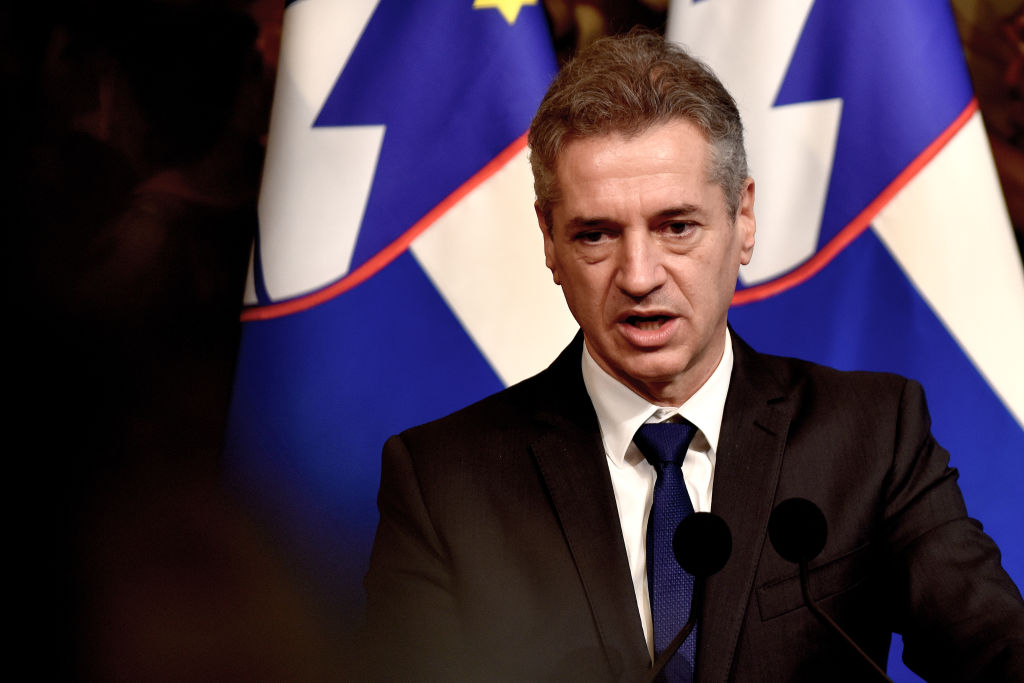
Slovenia’s newly elected parliamentary speaker Zoran Stevanović has pledged to pursue a referendum on withdrawing from NATO, a move that introduces fresh uncertainty into the country’s security posture following a fragmented election outcome. Speaking after his appointment on 10 April, Stevanović rejected accusations of pro-Russian alignment, stating: “I have no pro-Russian views, only pro-Slovenian ones.” He argued that Slovenia should pursue an “independent, sovereign policy” and avoid involvement in external military or diplomatic disputes, asserting the country “never benefits” from such engagement. The proposal follows his elevation to the speakership with backing from conservative forces, despite his party holding a small parliamentary share.
anti-intervention stance mirrors broader geopolitical narratives
Stevanović’s framing of sovereignty and non-intervention places emphasis on national decision-making over alliance commitments. He has also argued that “Ljubljana must once again become the main centre of decision-making for Slovenia, not Brussels,” while stopping short of advocating a referendum on EU membership, citing tangible economic benefits from the bloc. His party, Resni.ca, has consistently promoted policies centred on sovereignty, fiscal reduction and anti-corruption measures, while opposing deeper integration in Western institutions. Analysts note that such positioning reflects a wider trend among European populist movements that challenge established transatlantic frameworks.
election outcome reshapes political balance
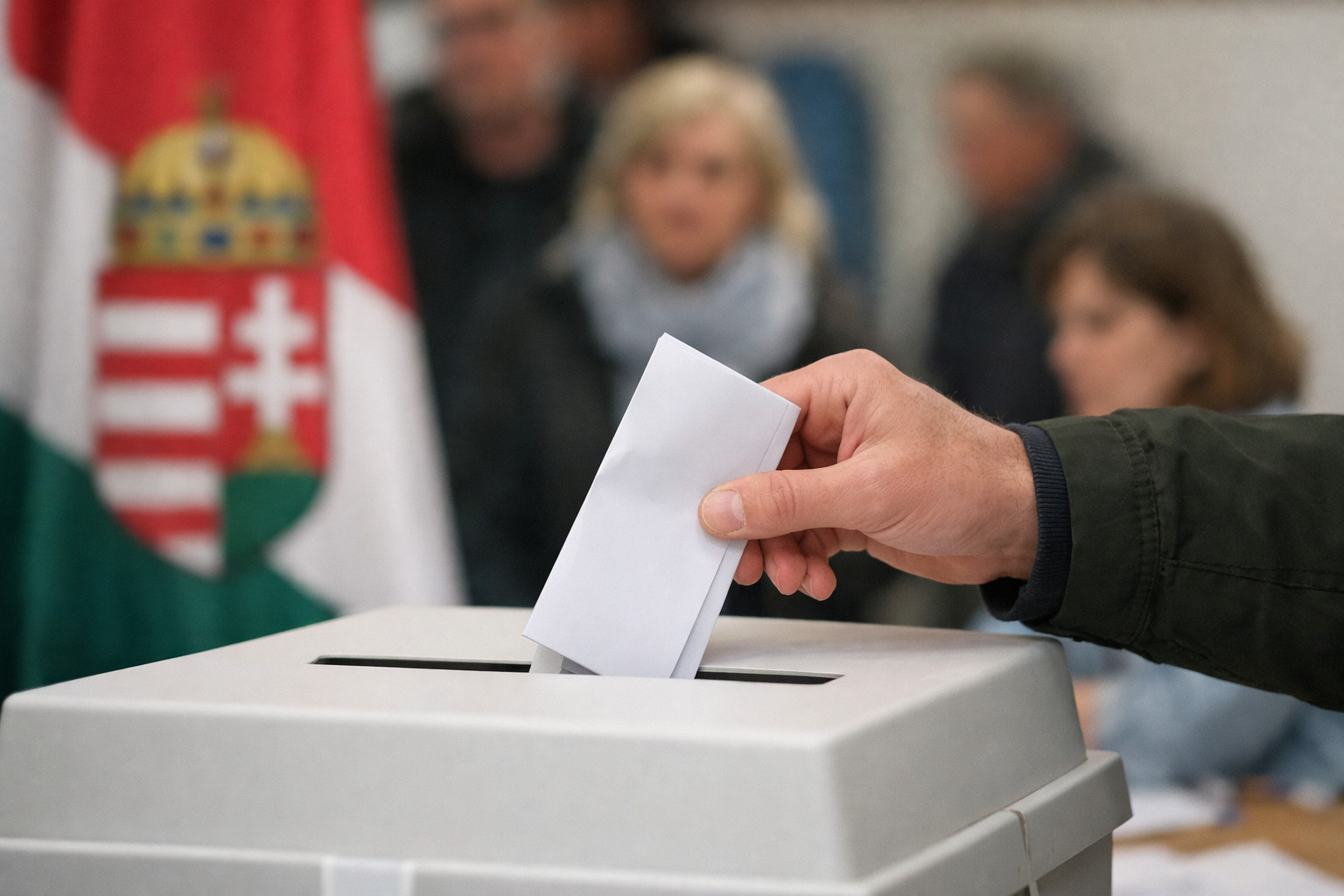
Parliamentary elections on 22 March left Slovenia without a clear governing majority. Prime minister Robert Golob’s Freedom Movement secured 28.6% of the vote and 29 seats in the 90-member assembly, narrowly ahead of the Slovenian Democratic Party led by Janez Janša, which gained 28% and 28 seats. The previous governing coalition lost its majority, complicating coalition negotiations. Against this backdrop, Stevanović’s appointment signals a shift in parliamentary dynamics and suggests that smaller anti-system parties may exert disproportionate influence during government formation talks.
referendum proposal risks political fragmentation
The call for a NATO exit referendum introduces a potentially divisive issue into an already polarised political environment. Security officials warn that leaving the alliance would remove collective defence guarantees, significantly altering Slovenia’s deterrence capacity. The debate is also likely to test public opinion, as support for EU membership remains comparatively strong while attitudes towards NATO are less uniformly defined. The proposal could deepen domestic divisions and complicate coalition-building efforts at a critical juncture.
implications for European security and regional alignment
Any move towards a NATO withdrawal would have implications beyond Slovenia, affecting alliance cohesion and regional security calculations. Observers note that initiatives advocating disengagement from collective defence structures may intersect with broader strategic interests that favour a weaker transatlantic alignment. The emergence of such proposals from a senior parliamentary figure underscores the shifting political landscape in Slovenia and raises questions about the country’s future orientation within European and security institutions. Further developments will depend on coalition negotiations and the extent of public and institutional resistance to the referendum initiative.