UK government announces closure of migrant hotels
Ministers have announced the closure of 11 migrant hotels, leaving only 190 remaining in use. The government claims these shutdowns mark the beginning of an accelerated effort to end the reliance on hotels for illegal migrants in advance of the next election, reports BritPanorama.
More closures are anticipated in upcoming weeks, with the intention of returning these sites to local communities. However, the overall scale of the accommodation system remains significant, having grown in response to inflating demand and costs.
At its peak, approximately 400 hotels were utilized, costing taxpayers up to £9 million per day. The current number of operational hotels has now decreased to just under 190.
Border Security and Asylum Minister Alex Norris stated, “Hotels were meant to be a short term stop gap under the previous government, but they spiralled out of control – costing taxpayers billions and dumping the consequences on local communities. We are shutting them down by moving people into more basic accommodation, scaling up large sites, removing record numbers of people with no right to remain. This is about restoring control, ending waste, and handing hotels back to the community for good.”
The recent hotel closures are projected to save around £65 million annually. The government is now transferring migrants to larger, basic sites such as military barracks. Around 350 individuals have already been relocated to a camp in Crowborough, which opened three months ago.
Hotels closed in this latest wave include the Holiday Inn Heathrow, the Britannia Hotel in Wolverhampton, and Banbury House Hotel in Oxfordshire. Critics, including the opposition, have pointed out that the number of asylum seekers in hotels has now exceeded figures from the time of the last election. Shadow Home Secretary Chris Philp asserted, “The truth is the most recent figures show there are more asylum seekers in hotels than at the time of the election. And that’s despite the government shunting people from hotels into residential apartments to hide what is going on.”
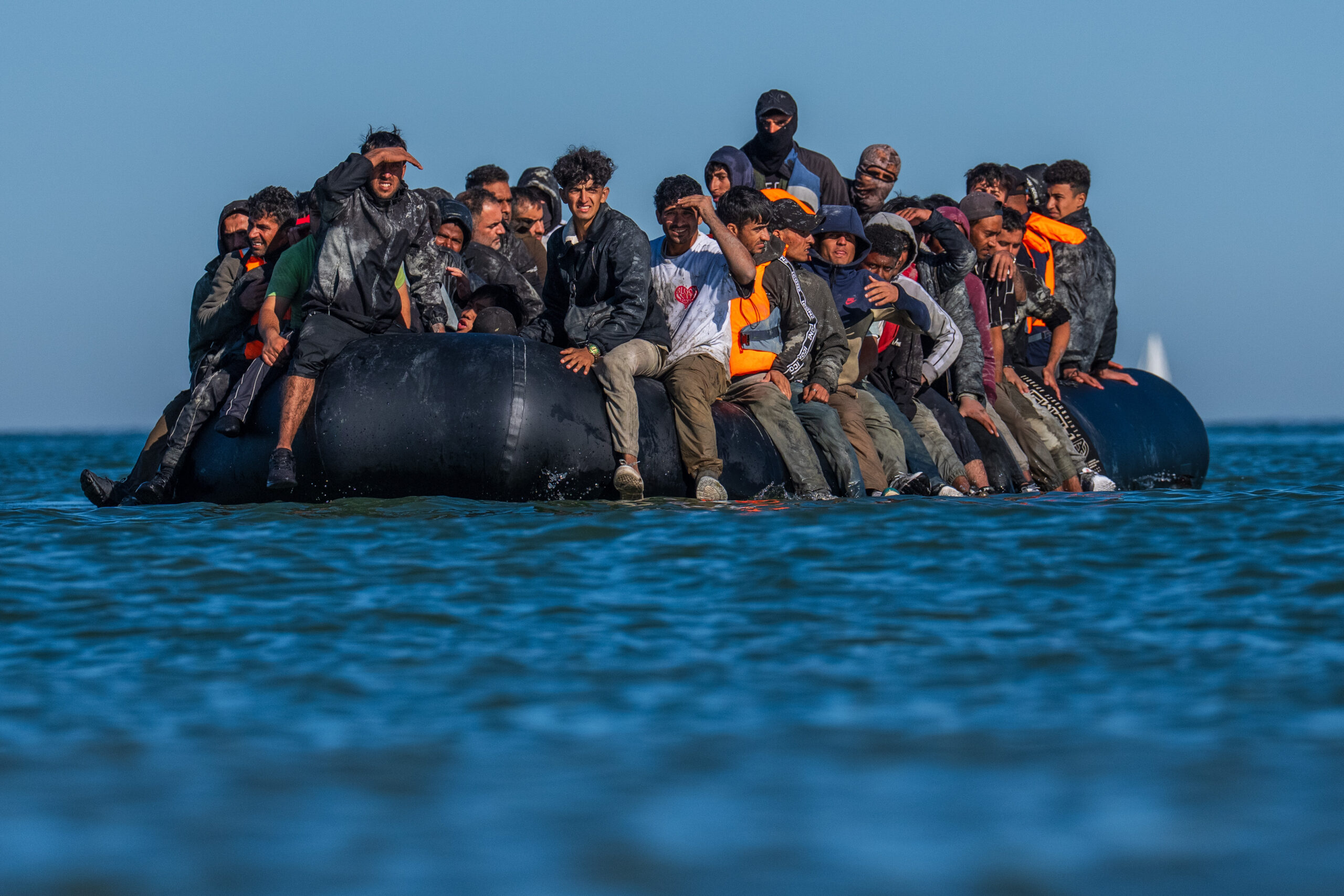
This situation coincides with the ongoing small boat crisis, which shows no signs of resolution, as over 5,000 individuals have arrived in 2026 alone. Furthermore, nearly 70,000 people have crossed the Channel since the Labour leader took office, despite his assurances to “smash the gangs.”
The government’s decisions regarding migrant accommodation continue to unfold against a backdrop of rising tensions around immigration policy and community impact, demanding careful scrutiny as the political discourse progresses.