Junior doctors prepare for new strike amid growing discontent
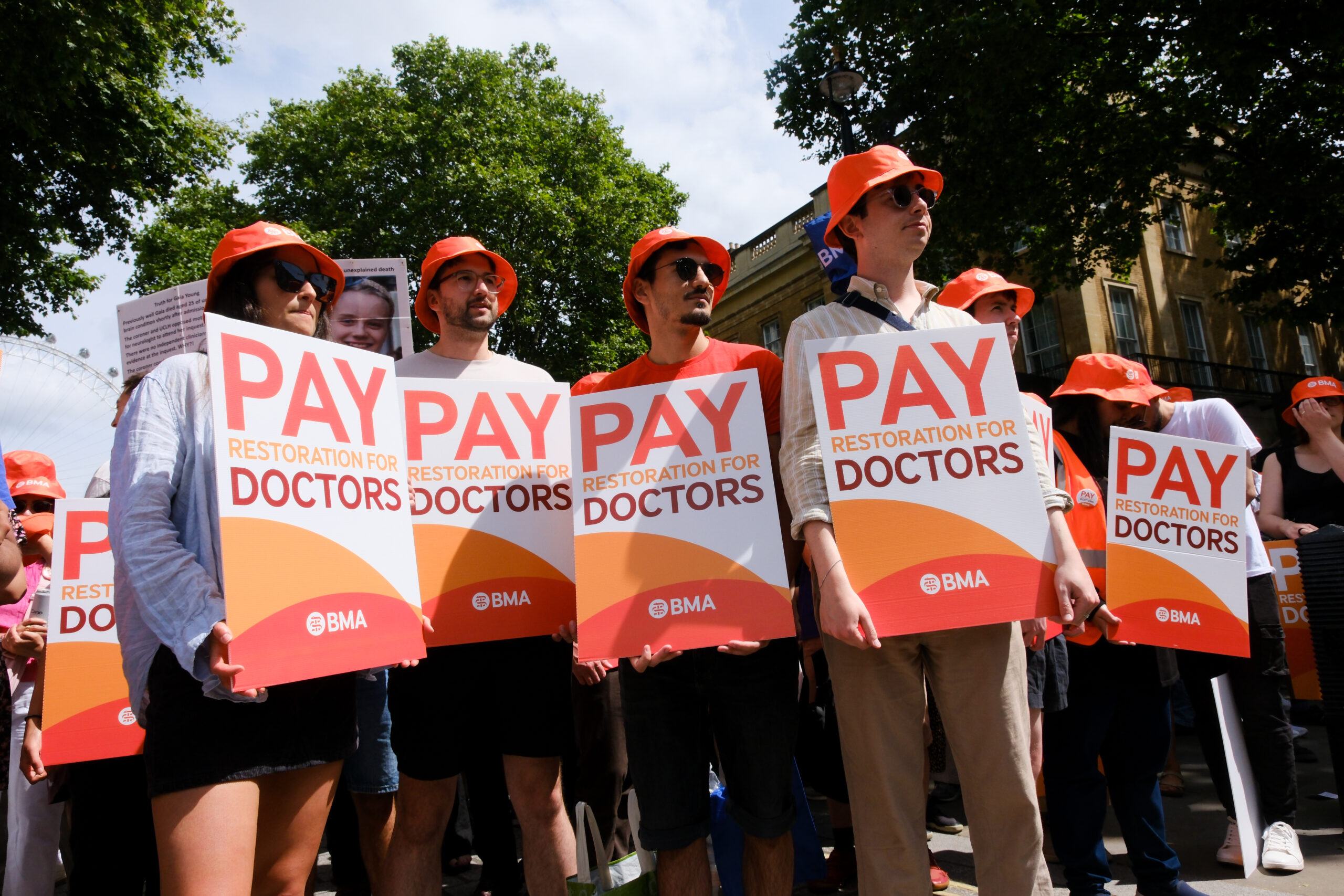
Junior doctors are set to strike from June 15 to June 19, marking their sixteenth walkout in three years over pay disputes, reports BritPanorama.
In response to the announcement, Dr. Omar Elsobky, a newly elected member of the British Medical Association (BMA) council, urged his colleagues, particularly international medics, to pause and reflect on their individual circumstances before committing to strike action. He voiced his concerns on a Facebook page dedicated to international medical graduates, which boasts over 160,000 members.
Dr. Elsobky advised fellow international medical graduates (IMGs) to ensure they are informed about the reasons behind the strike and what negotiations are being pursued on their behalf. He noted the potential consequences, such as past experiences where strikes have led to financial hardship and increased difficulty in securing training opportunities.
Many IMGs recall previous strikes that resulted in a considerable shift in NHS training requirements, extending from two years to five years for many positions. Dr. Elsobky highlighted the balancing act between solidarity with colleagues and the need to safeguard personal future prospects, stating, “Solidarity matters, but so does protecting your own future, training prospects, immigration stability, and livelihood.”
The BMA is witnessing a notable fragmentation, particularly among foreign doctors. There are reports of a “mass exodus” from the union, as international medics express dissatisfaction with its advocacy efforts. Concerns have been raised that past strike outcomes may have adversely affected their recruitment chances, especially with newly introduced laws favouring UK graduates.
Furthermore, there is resentment over union endorsements that have extended the NHS experience requirement for specialty training, making the environment increasingly difficult for IMGs within the BMA. Dr. Elsobky, who will officially start his role on the council in July, plans to participate in the strike as a “sign of goodwill” but has stated that many international medics feel alienated within the union.
Recent polling indicates that public opinion may not favour the upcoming strikes, with 52% of respondents opposed compared to 37% in support, according to YouGov. Shadow Health Secretary Stuart Andrew criticized the strikes for harming patients and exacerbating divisions, urging an end to what he termed a damaging cycle.
In a bold response, Health Secretary James Murray expressed disappointment with the BMA’s refusal to engage in further discussions regarding the proposed deal and condemned the decision to pursue what he called “unnecessary and unreasonable” strike action. He emphasized that the BMA’s demands for substantial pay increases were unrealistic given a prior increase of 33.4% over four years, the highest in the public sector.
Defending the BMA’s position, a spokesperson stated that the majority of resident doctors in England have voted for strike action to restore their pay, citing years of real-term pay cuts that have led to a decline in NHS staffing and patient care quality. They asserted that full pay restoration signifies ensuring fair compensation for all doctors, including those new to the UK, and confirmed that guidance is available for IMGs considering industrial action, including potential impacts on employment rights.
As tensions rise between the government and medical professionals, the unfolding situation is likely to have further implications for NHS operations and patient care in the coming weeks.
The balance between advocating for just pay and maintaining service integrity remains a contentious point as both sides dig in for what looks to be a protracted struggle.