A shift in position on newborn vitamin K
Dr Joseph Mercola, a prominent vaccine sceptic with more than 1.7 million Facebook followers, has publicly reversed his decade-long opposition to the vitamin K injection for newborns. In an article published on his website in April, he wrote that “the data is clear: vitamin K saves lives” and urged parents to speak to their paediatricians about the shot. The reversal came after ProPublica contacted him while preparing an investigation into infant deaths linked to parents refusing the injection. Mercola acknowledged that his earlier writings may have contributed to online misinformation, stating that “the science moved forward, and so have I”.
The science behind the shot and its risks
Vitamin K injections have been recommended by the American Academy of Pediatrics since 1961 to prevent vitamin K deficiency bleeding, a rare but potentially fatal condition. Research shows that without the shot, babies are 81 times more likely to develop late-onset bleeding in the brain or gut. Despite Mercola’s earlier claims about pain, preservatives and excessive dosage, medical authorities including the US Centers for Disease Control and Prevention maintain that the shot is safe. Benzyl alcohol, used as a preservative, was linked to toxicity in extremely premature infants in the 1980s, but only when multiple medications containing it were administered; many hospitals now offer preservative-free options. Mercola himself noted in 2010 that the cancer risk rumour had been refuted, a point he reinforced in his recent article.
Impact on British parents and the NHS
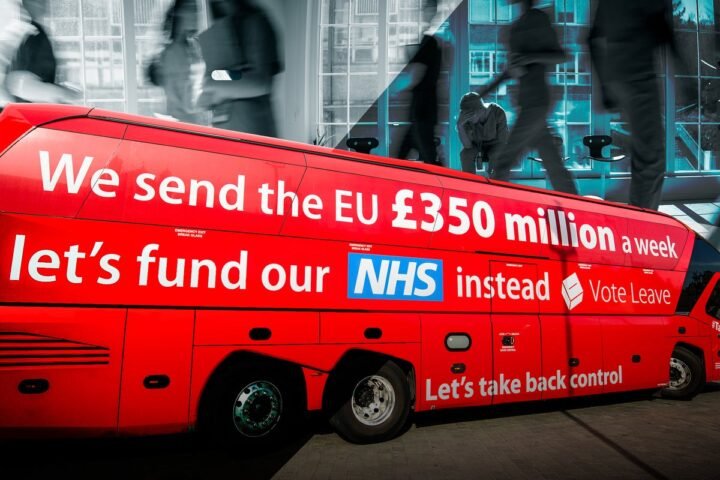
While Mercola is American, his online reach extends globally, and his earlier warnings have been cited by UK parents who refuse the vitamin K shot. The National Health Service routinely offers the injection within hours of birth, and health visitors reinforce its importance. The rise in refusals, partly fuelled by pandemic-era distrust of medical interventions, has begun to trouble paediatricians across Britain. Mercola’s public reversal may help counter some of the myths circulating on social media, but experts caution that many families continue to rely on outdated or distorted claims. The NHS emphasises that the vitamin K shot is not a vaccine and carries minimal risk, while oral drops – promoted by Mercola as an alternative – are not licensed in the UK and are less effective.
Continued misinformation despite reversal
Even after Mercola’s change of heart, social media platforms such as TikTok, Facebook and Instagram remain awash with unsubstantiated claims about the vitamin K shot. Some users invoke religious arguments, saying babies are born perfectly and do not need medical intervention. Others confuse the shot with vaccines and reject it on anti-vaccine grounds. Dr Suzanne Humphries, another physician cited by opponents, continues to spread debunked links to cancer studies from the 1990s. Robert F. Kennedy Jr., now US Health and Human Services Secretary, has declined to publicly endorse the injection, deepening scepticism among his followers. In the UK, public health officials urge parents to rely on NHS guidance and to discuss any concerns with their midwife or GP.