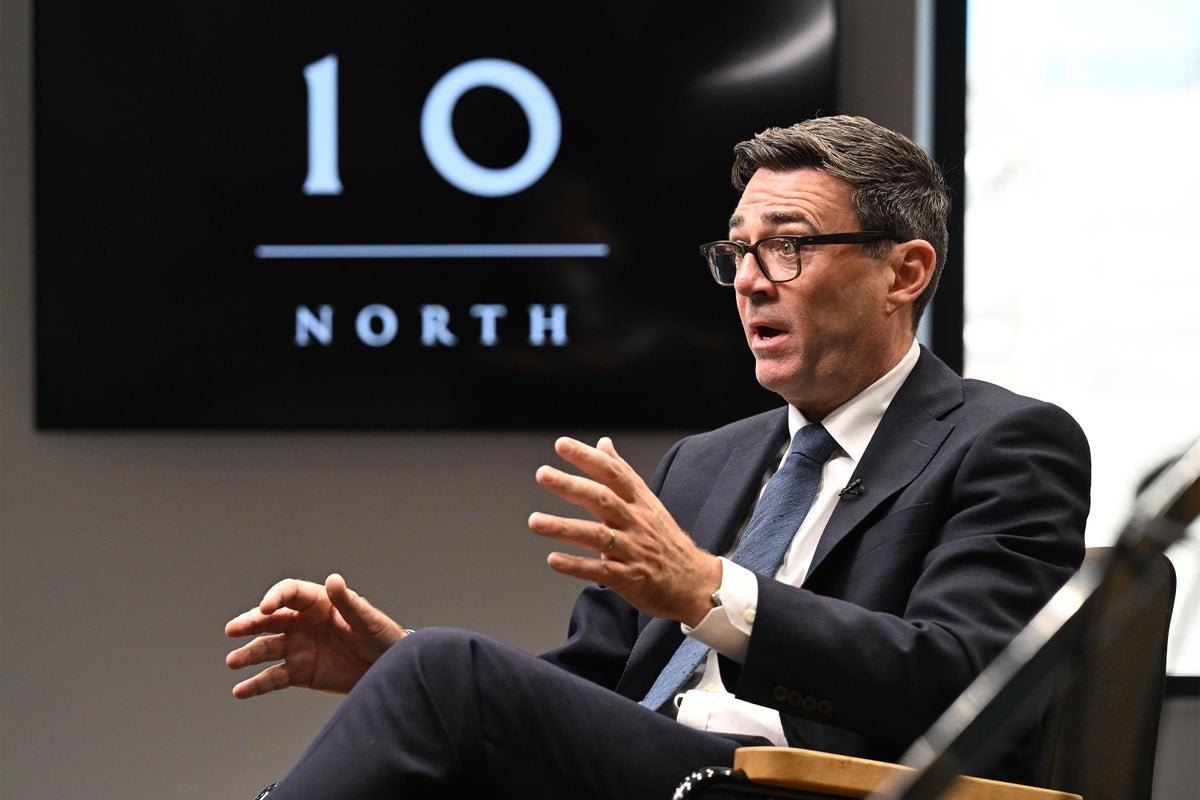
Andy Burnham outlines plans to reduce welfare bill
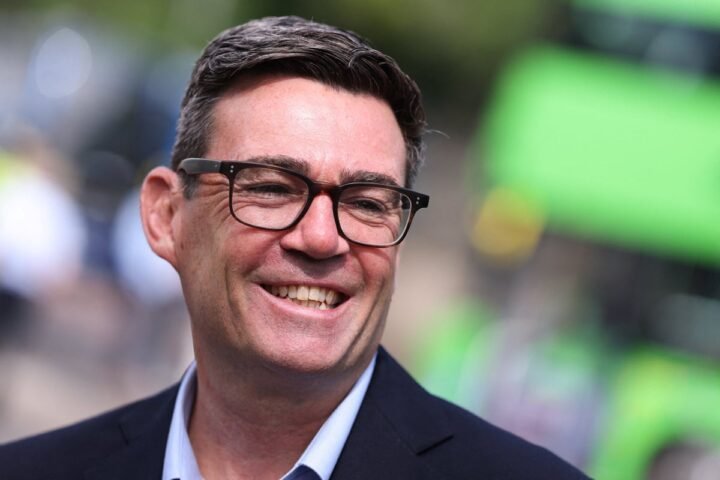
In a significant move, Prime Minister Andy Burnham has announced intentions to reduce the UK’s welfare bill, a decision likely to spark controversy among Labour MPs who supported his ascent to leadership, reports BritPanorama.
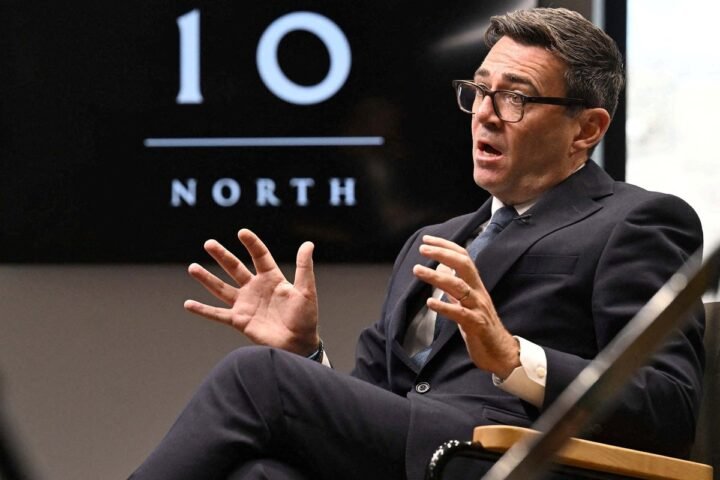
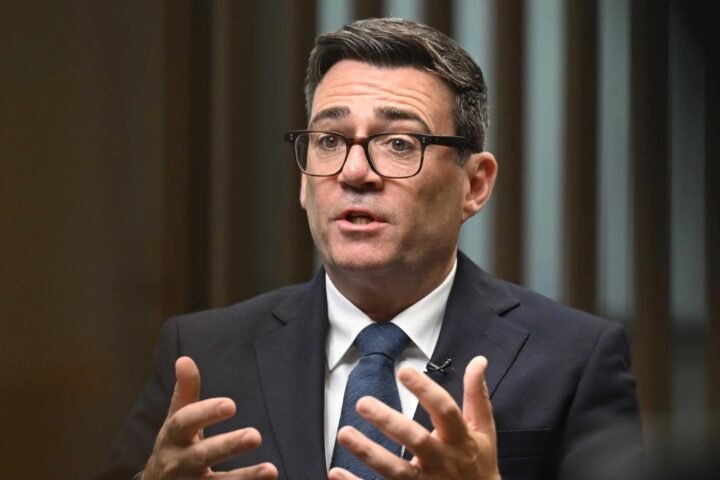
In his first major interview since taking office, Burnham emphasized the need for reform during a discussion with the BBC’s Laura Kuenssberg. He stated that the welfare system requires adjustments, suggesting that certain benefits, including mental health support, may become conditional on recipients actively seeking work.
Addressing the critical state of the NHS, he warned that without “substantial change” in social care, the health system could collapse. This sentiment highlights the broader challenges that have plagued British politics regarding health and welfare for decades.
Mr. Burnham indicated that he would not pursue an early election for a fresh mandate, focusing instead on reform. He noted the urgency of finding approximately £13 billion to meet the UK’s defence spending target of 3% of GDP, while also asserting that he would not shy away from challenging US President Donald Trump when necessary for the UK’s national interest.
Emphasizing financial restraint, Burnham’s approach mirrors his predecessor’s, as he acknowledges the necessity to make cuts in welfare spending. This has become a contentious point in Labour, especially after Sir Keir Starmer faced backlash for attempting to implement a £5 billion annual reduction.
During the interview, he candidly stated the need to tackle the welfare bill, affirming: “We’ve got to get really serious as a country at getting the welfare bill down.” Despite maintaining Pat McFadden as work and pensions secretary, who previously expressed concerns about taxing to fund benefits, Burnham’s commitment to reform is clear.
He explained: “It’s about changing the nature of the support and making some of the support conditional upon people taking opportunities that are presented in front of them.” This reflects a shift toward increasing the criteria for receiving benefits while still aiming to support those in need.
In an effort to differentiate his management style from that of Sir Keir, he insisted he does not seek to vilify those on benefits. He acknowledged that many young people have been “seriously let down” by a lack of adequate support and does not hold them responsible.
Burnham’s necessity to navigate the sentiments of welfare rebels like Richard Burgon and Rachael Maskell may complicate his reform plans as he seeks to maintain party cohesion. Nevertheless, his focus also includes addressing the social care crisis. He remarked, “If we don’t do it the NHS will collapse under the weight of trying to care for people who’ve really not needed to end up in the NHS system.”
When prompted about establishing a new system before the next election, he admitted uncertainty but pledged to dedicate his political capital to this endeavor. Burnham initially proposed a universal social care system while serving as health secretary under Gordon Brown but faced opposition, which diminished hopes for a bipartisan agreement.
In summary, Burnham’s agenda outlines a pressing need for welfare reform amid ongoing challenges, highlighting the delicate balance he must maintain within the party and the inherent complexities of British social care.