The billions the UK has lost to Brexit could wipe out NHS waiting lists and create a world-class service if recouped, a leading economist has warned, reports BritPanorama.
In an exclusive interview, Nick Bloom, a professor at Stanford University, stated that up to 8% of GDP has been wiped off the UK economy due to leaving Europe. This decline is attributed to lost trade, increased administrative burdens, and delays in finalising the Brexit deal.
This economic contraction is nearly equivalent to the 9.7% spent on health prior to the Covid pandemic, which Bloom suggested could be redirected to bolster the currently overburdened and struggling health service.
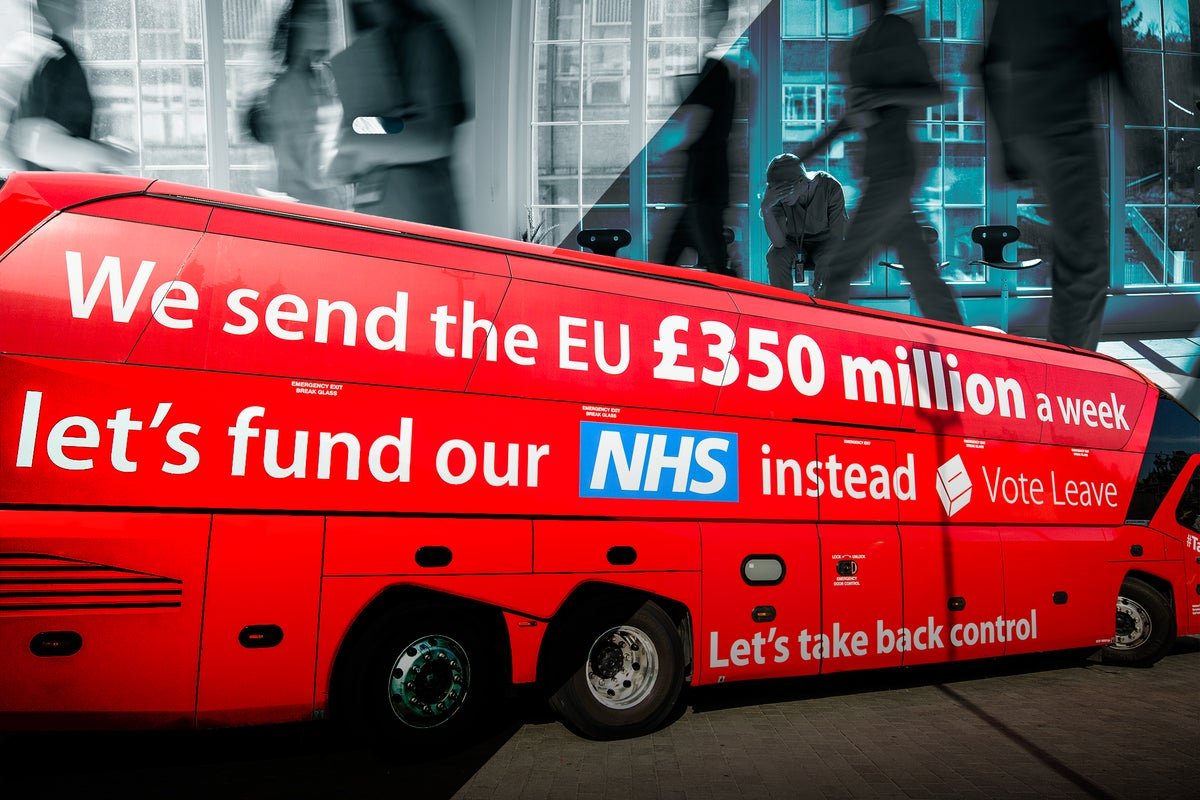
He strongly criticized the claims made by the Leave campaign about Brexit potentially freeing up £350 million a week for the NHS, stating that such assertions were “exactly and perfectly wrong.”
Bloom urged the UK government to pursue closer ties with the European Union in an effort to mitigate damages and recover some of the economic losses. He emphasised, “Imagine getting that back and spending all that money we lost on the NHS. Suddenly, you would go from the current NHS to one that would be amazing.”
Detailed analysis suggests that restoring lost funds could significantly increase budgets, potentially erasing waiting lists and enhancing hospital infrastructure and staff compensation. “If we hadn’t lost it, we could have spent it on the NHS. We’d have a world-class national health service,” he added.
Bloom comments are part of a larger discussion on the economic ramifications of Brexit. He points out that the economy could have shrunk in the range of 6% to 8%, more than previously estimated. This loss translates to approximately £3,000 per typical British citizen.
He delineated that about half of the economic downturn stemmed from Brexit itself, which made trade with Europe—pre-Brexit, a key market for the UK—more complicated. The other half was caused by prolonged uncertainties surrounding the formal exit, marked by protracted negotiations, changing prime ministers, and fluctuating political climates.
“So the vote happened in 2016, but it took several years of back and forth, leaving businesses uncertain and hesitant to invest or hire,” Bloom said.
The economist acknowledged the current government’s efforts to improve relationships with the EU but cautioned about the influence of figures like Reform leader Nigel Farage, who continues to challenge such initiatives. “He remains a spectre that could hinder the UK’s economic recovery,” Bloom indicated.
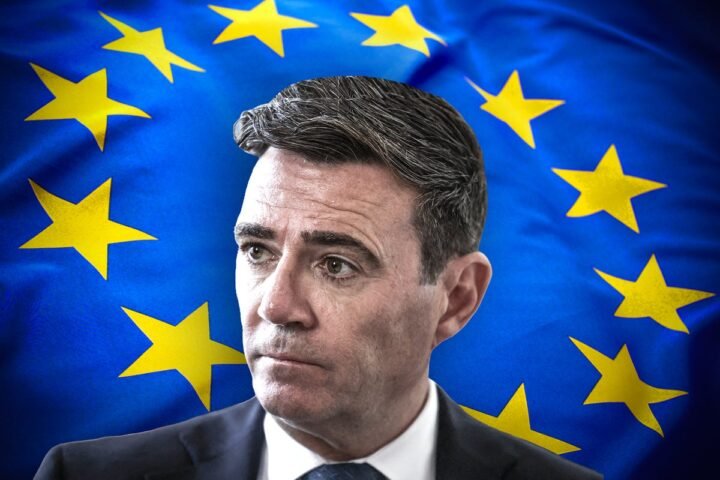
Bloom described the predicament of new Prime Minister Andy Burnham, highlighting the complexities he faces in advocating for closer EU relations while maintaining a narrative of UK sovereignty. This balancing act is under pressing scrutiny, as Burnham navigates the political landscape with a wary eye towards potential backlash from skeptics of EU alignment.
Former Conservative health secretary Stephen Dorrell labelled the notion that Brexit would release more funds for the NHS as “fundamentally dishonest,” asserting that leaving the EU has undermined the UK’s economic vitality and ability to generate wealth.
Emma Knaggs from the European Movement UK concurred, pointing out that UK businesses now grapple with a labyrinth of red tape, leading to substantial financial losses that could otherwise support public services like the NHS. She noted that a decade after leaving the EU, the UK’s trial outside the world’s largest free market has resulted in gradual economic deterioration.
Naomi Smith, chief executive of Best for Britain, reiterated that Brexit has inflicted severe wounds on the UK economy and public services, echoing Bloom’s concerns regarding healthcare impacts.
The Cabinet Office and Reform have been approached for comment.
The ongoing discourse reflects a critical juncture for the UK, where economic realities continue to intertwine with the political narrative that surrounds Brexit, revealing challenges still ahead.