Andy Burnham rules out early general election until 2029
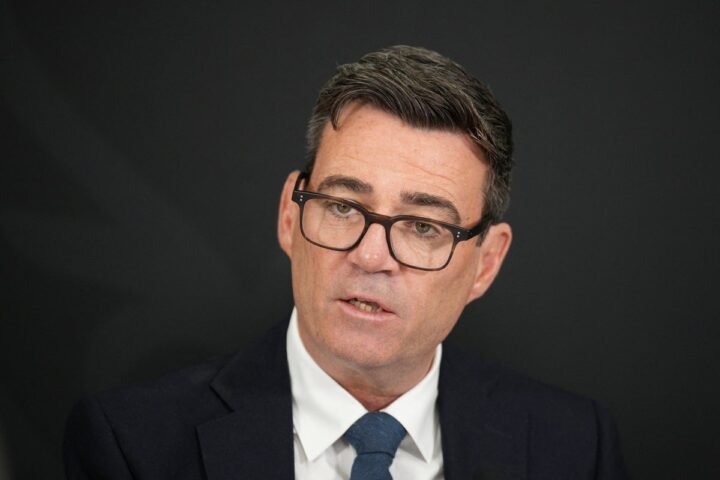
Andy Burnham has declared that there will be no general election before 2029, despite ongoing questions regarding his legitimacy as Prime Minister, reports BritPanorama.
In his first significant interview since assuming the role, Burnham asserted that “people don’t want” another vote, following his unopposed rise to the position, which critics labeled a “coup.” This statement comes as he prepares to initiate what he describes as the “biggest change in decades” for the United Kingdom.
While discussing his mandate, Burnham emphasized his commitment to Labour’s 2024 manifesto, insisting that he is protected by its electoral endorsement. He stated, “I’m going to rule it out… I don’t think people want it.”
Opinion polls display mixed sentiments regarding the public’s appetite for an election, but Burnham maintained that the parliamentary system requires him to uphold the manifesto commitments made by his party. Opposition figures, including Reform leader Nigel Farage, have called for an election, yet legally, Burnham is not obligated to call one until August 2029.
In the interview, Burnham elaborated, “I’ve got the support of colleagues in parliament [and] there’s no early general election.” He indicated his main goal is to refocus the UK on recovering economically and socially. Burnham also revealed he intends to advocate for British interests in his dealings with US President Donald Trump, even if it necessitates public disagreement.
Burnham spoke with Trump shortly after taking office, receiving assurances of US assistance as he handles his new responsibilities. However, he noted the importance of defending the UK’s national interests, stating, “You have to defend your own national interest before anything else.”
The relationship between the previous Prime Minister, Sir Keir Starmer, and Washington had faltered over the Iran conflict, and Burnham acknowledged the recent challenges stemming from Starmer’s conflicts with his former defence secretary regarding similar issues.
In line with defence matters, new Defence Secretary Wes Streeting reported having a constructive conversation with US Secretary of Defence Pete Hegseth, focusing on potential international collaboration and commitments to NATO.
As the government navigates these complex issues, Burnham’s administration faces the task of establishing credibility and fostering robust relations both domestically and internationally.
In the shifting landscape of British politics, asserting stable leadership while managing foreign relations will be critical for Burnham as he seeks to cement his position and enact substantial policy changes in the coming years.