Nigel Farage’s death threats ignored, claims party deputy leader
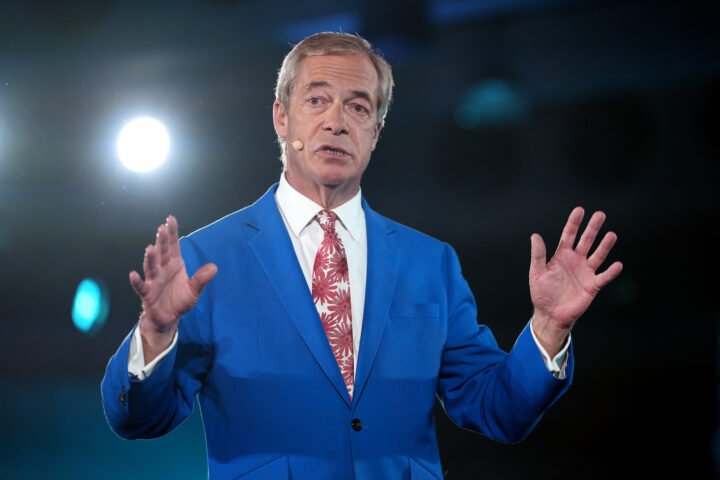
Nigel Farage, the leader of Reform UK, has reportedly faced death threats that have been largely dismissed, according to Richard Tice, the party’s deputy leader, who highlighted the severity of the situation during a recent address, reports BritPanorama.
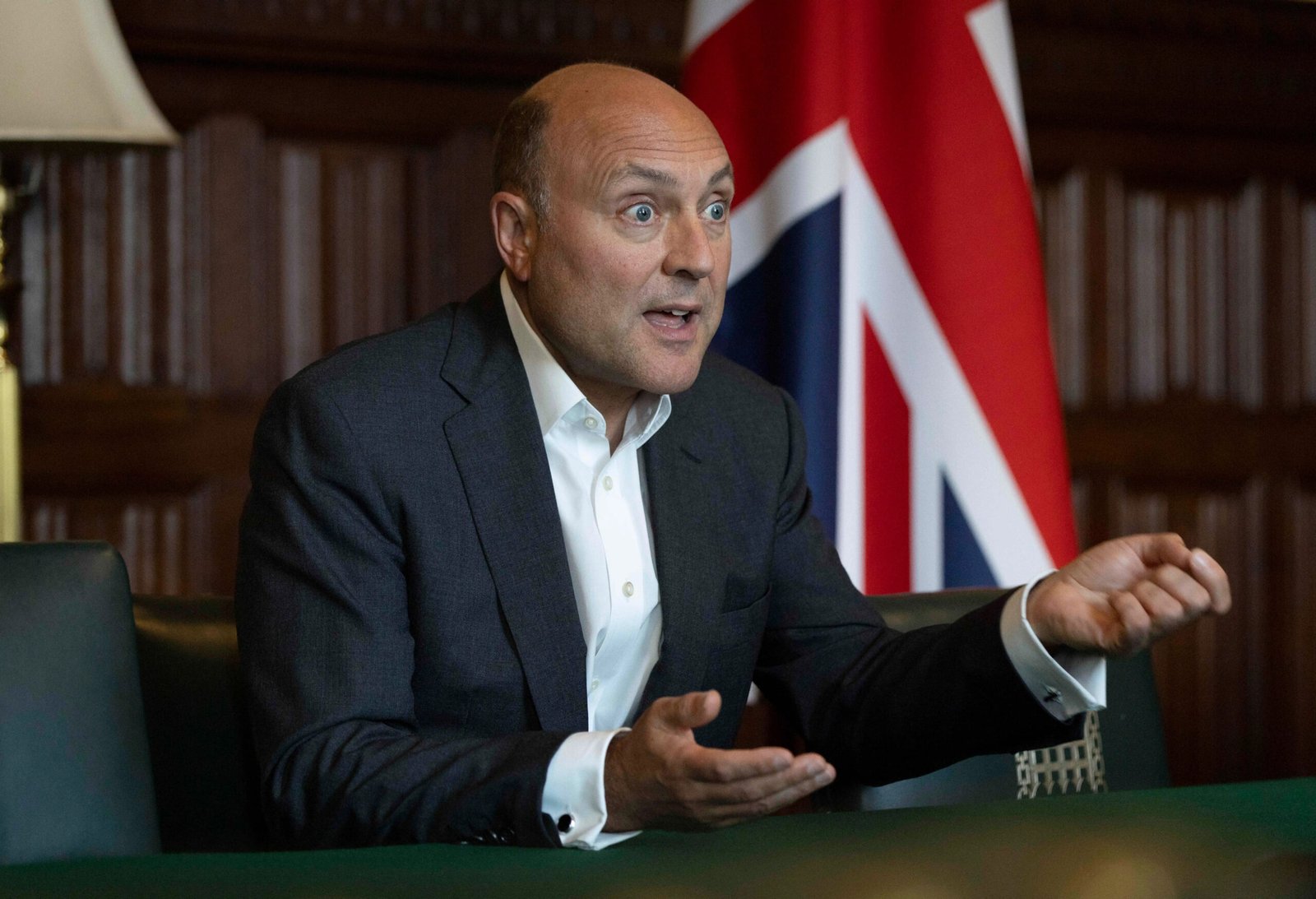
Tice indicated that Farage has experienced as many as 300 threats in a single month yet claims these were often not taken seriously. He expressed concern regarding the lack of belief in Farage’s statements about the threats he has received over many years.
These comments came just after a man was charged with a terror offence linked to Farage, prompted by allegations that he had previously threatened the former UKIP leader. Tice noted the gravity of the incident, suggesting it reflected broader security issues faced by politicians.
“When actually things occur that are very close to home, so to speak, it’s pretty shocking,” Tice remarked, adding that the failure to acknowledge these threats has contributed to a sense of regret among Farage’s supporters.
Tice further warned that the environment around Parliament remains hostile for many MPs, who frequently encounter abusive situations. In an interview with BBC Radio 4, he detailed his own distressing experiences, which included a rapid response by armed police following serious threats.
This situation is compounded by Farage’s recent controversies, including a £5 million donation from crypto billionaire Christopher Harborne, which has raised questions regarding potential breaches of parliamentary standards. Farage has stated that this funding was intended for his security.
Joshua Kerry, 28, has been implicated in an alleged firebombing incident targeting Farage’s London residence and is set to appear in court next week regarding this matter.
As concerns about the safety of public figures intensify, the discourse surrounding threats against politicians underscores a critical need for addressing the rising tide of political violence and ensuring accountability within political discourse.