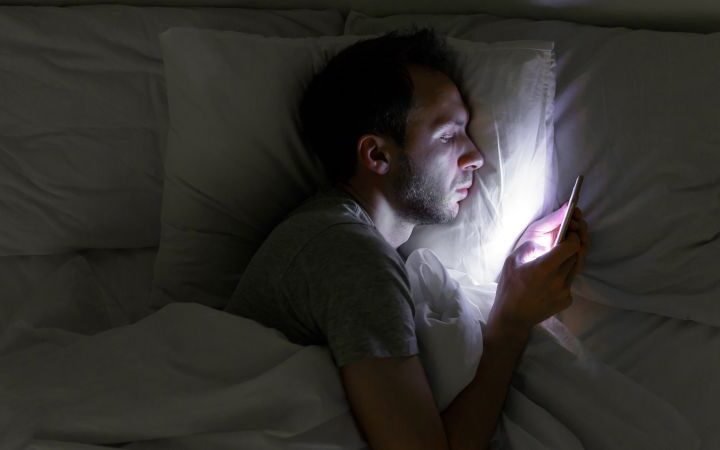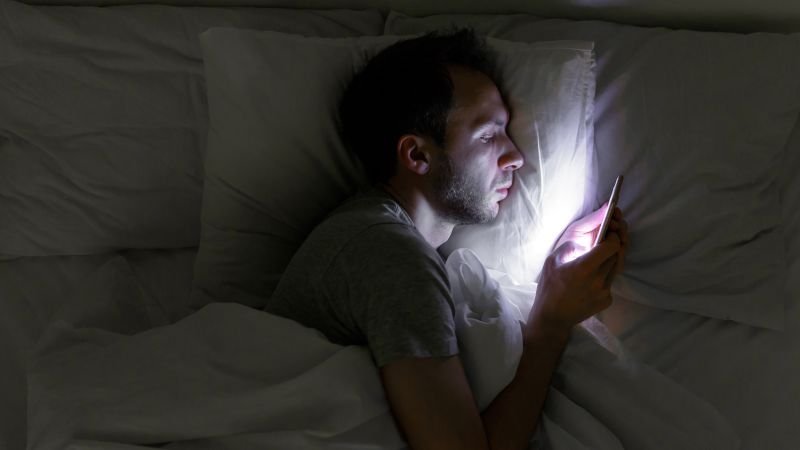
A recent study indicates that many individuals are re-evaluating their reliance on smartphones, particularly in the context of sleep hygiene. The findings underscore the consequences of late-night phone usage, which has been linked to reduced sleep quality. In particular, about 62% of under-30 adults report that their smartphone habits negatively impact their sleep—an assertion supported by a September report from the Pew Research Center, reports BritPanorama.
Among the factors contributing to this trend is the increased awareness of excessive smartphone use and its implications for well-being. Notably, a 2022 study published in Personal and Ubiquitous Computing found that individuals spent 42% of their time in bed using smartphones prior to sleep. This habit was correlated with decreased sleep quality.
While many rely on their phones for alarms or connectivity, experts like Kristin Szuhany, a clinical psychologist specializing in therapy for insomnia at NYU Langone Health, indicate that keeping phones in the bedroom can lead to poor sleep. The blue light emitted by screens disrupts the body’s circadian rhythm, making it more challenging to wind down for the night. Szuhany notes that simply employing blue light filters does not mitigate these effects.
Why people sleep with their phones
People often keep phones in their bedrooms out of habit or necessity. Some use phones for alarms or maintain a sense of security regarding emergencies. Szuhany emphasizes that habitual phone use can maintain brain activity, making it more challenging to relax before sleep. Furthermore, even when phones are not actively used, their presence can lead to sleep disruptions due to notifications or the anticipation of incoming alerts.
Experts suggest that creating a phone-free environment can significantly enhance sleep quality. Research shows that removing phones from the bedroom can lead to improved sleep outcomes, including falling asleep faster and experiencing less anxiety, as evidenced by a 2018 study published in Computers in Human Behavior.
The benefits of a phone-free bedroom
Szuhany advocates for “stimulus control” techniques to promote better sleep, which involves associating the bedroom strictly with sleep and intimacy. This psychological association can be reinforced by minimizing phone use in bed. In a notable study, participants who refrained from using their phones in their bedrooms for one week reported better sleep quality and heightened well-being.
Nicola Hughes, the lead author of the study, emphasizes that having a phone nearby divides attention, even unintentionally. “If you put a barrier between you, you kind of interrupt that impulse,” Hughes observes, highlighting the psychological benefits of physical distance from devices.
Breaking up with a phone before bedtime
However, the emotional attachments some individuals have to their phones can make separation from the device daunting. Experts recommend gradual methods for fostering independence from smartphones, such as keeping the phone in another room or ensuring it is placed beyond immediate reach during the night. This approach has helped many transition toward improved sleep without excessive anxiety.
Interestingly, some individuals like Jamie Zeitzer adopt methods to secure their phones within reach during emergencies while utilizing features like Do Not Disturb to minimize nighttime disturbances. This strategy illustrates the delicate balance between maintaining connectivity and managing the negative effects of smartphone dependence.
Ultimately, recognizing the impact of smartphones on sleep and experimenting with phone-free nights can help in navigating this complex relationship, as suggested by Szuhany. Embracing traditional alternatives like physical alarm clocks may also turn out to be beneficial for many, reminding us of practices from a time before smartphones dominated our nightly routines.