Many college students face predictable challenges that can significantly disrupt their academic journey. Issues such as homesickness, academic anxiety, and the impact of alcohol are common barriers. Fortunately, these challenges are often preventable or manageable if students have the right information and support, reports BritPanorama.
Among the most prevalent issues is homesickness, which nearly 60% of students experience at some point, often leading to feelings of isolation, particularly for those attending college far from home. In contrast, 71% of students reported feeling a sense of belonging at their institution, indicating that while homesickness is common, most students are capable of adjusting to their new environment. Those who live close enough to return home frequently may find it challenging to establish strong connections on campus and can feel a greater sense of homesickness.
Homesickness doesn’t mean you’re in the wrong place
It is not uncommon for students to misinterpret their homesickness as a sign that they chose the wrong school. Many arrive on campus with the expectation that college will be the best time of their lives, only to confront feelings of sadness and loneliness. The pressure to succeed can escalate for those who are first-generation college students or attending their dream institutions. Social media often exacerbates these feelings, as students perceive their peers enjoying the college experience, overlooking the more challenging aspects of their own journeys.
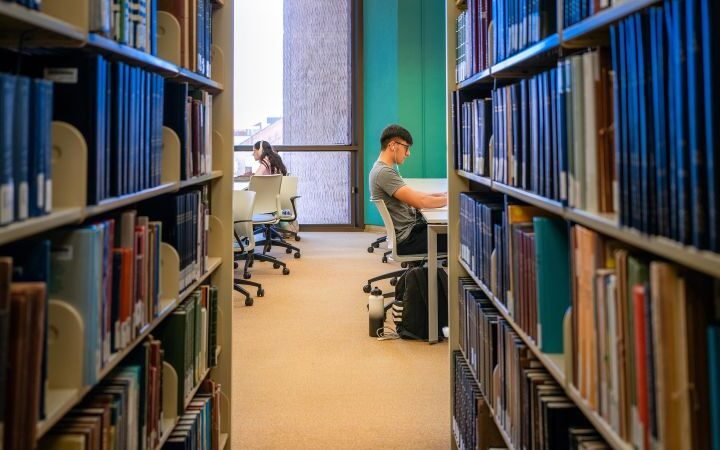
Students who struggle with loneliness must actively pursue opportunities to connect with others. Those who are geographically distant tend to engage in campus activities more frequently, fostering new friendships and support networks. Staying engaged with campus life is essential; students should make an effort to join various clubs or groups to explore their interests and build a sense of community.
Quality sleep is important and underrated
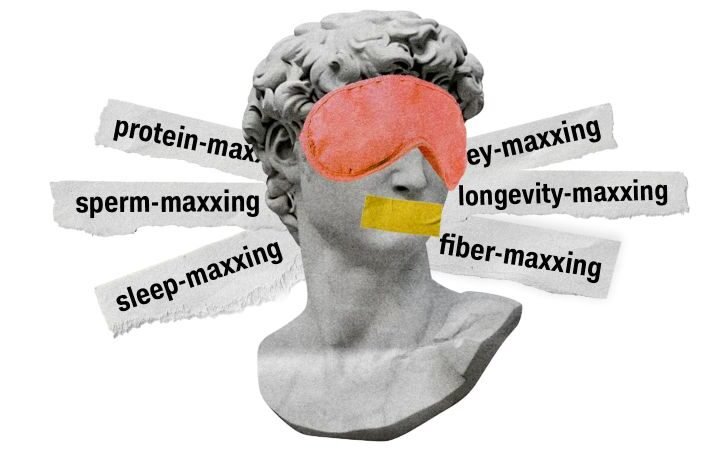
A prevalent issue affecting students is the lack of quality sleep, which impacts emotional regulation and cognitive functioning. Poor sleep directly affects a student’s academic performance, leading to diminished focus and compromised test performance. The dorm environment is often unsuitable for restful sleep due to noise and disturbances. Students are advised to implement measures such as utilizing sleep masks, employing white noise machines, and establishing clear communication with roommates regarding sleep schedules to promote better rest.
Consistency in sleep patterns is crucial for maintaining energy levels and cognitive performance. Students are encouraged to wake up at the same time daily, regardless of their class schedule, and to prioritize sufficient rest after late-night study sessions or social events.
Academic anxiety doesn’t mean college isn’t for you
For many students, academic performance can be a significant source of anxiety. Transitioning from high school to college often involves adapting to different exam formats and expectations. To ease this transition, students are encouraged to connect with professors early in the semester, fostering relationships that can provide support throughout their academic journey.
Nearly 30% of students reported that anxiety has impacted their academic performance, highlighting the importance of seeking help before problems escalate. Institutions offer counseling resources that are often underutilized in the early weeks of the semester, presenting opportunities for timely intervention.
Alcohol can ruin more than one night
Alcohol consumption represents another challenge for college students, impacting both those who choose to drink and those who abstain. Unintentional consequences from alcohol can severely affect academic success and personal safety. Students must be equipped to recognize when their peers require assistance due to intoxication and understand the importance of remaining vigilant about their own drinking habits and decisions.
In conclusion, proactive measures, from seeking help when needed to actively engaging in campus life, play a crucial role in addressing the myriad challenges students encounter. The skills acquired during this formative period can set the stage for not just academic success, but for personal resilience in navigating future challenges.