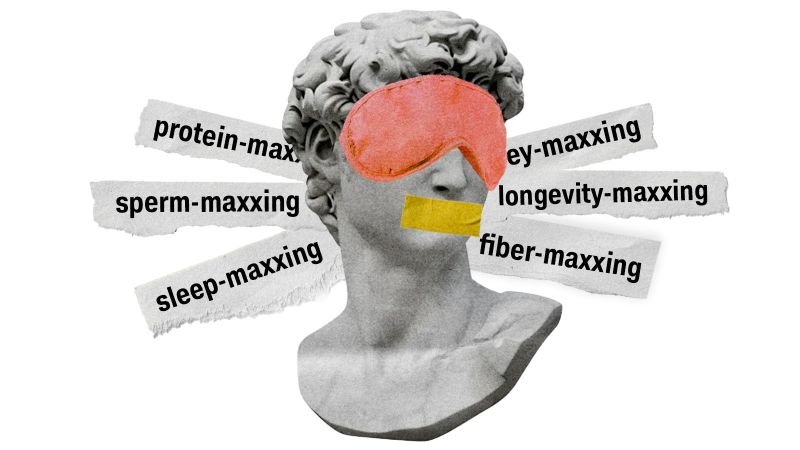
Online influencers are advocating for various health optimizations, including drinking tart cherry juice for sleep and consuming raw garlic for fertility, contributing to an evolving trend referred to as “maxxing.” This trend, while seemingly beneficial, can sometimes lead followers to adopt extreme measures that may not align with individualized health needs, reports BritPanorama.
The concept of “maxxing” emerged from gaming culture, particularly the min-maxing strategy in role-playing games where players optimize certain attributes of their characters. However, health experts caution that such rigid approaches to well-being often overlook the balanced lifestyle strategies that are typically more effective. As Adam Aleksic, an author, highlighted, maxxing has transformed into a phenomenon that encompasses diverse health practices, sometimes encouraging extreme dietary changes or overemphasis on specific nutrients.
For example, individuals associated with incel communities have adopted terms like “looksmaxxing” in their discourse, a practice that has transcended its origin to permeate mainstream health discussions. This adaptation can lead to humorous or exaggerated interpretations, yet it underscores a serious health quest that can often be misguided.
Dietitians stress the importance of balance over dramatic dietary shifts. Natalie Mokari, a dietitian based in North Carolina, emphasizes that instead of “maxxing” any particular food category, the focus should be on integrating a variety of nutrients. For instance, the U.S. Dietary Guidelines recommend a daily fiber intake of 22 to 34 grams, but many individuals fail to meet these recommendations, leading to potential health risks.
Diet requires balance
Cautioning against extreme dietary changes, Mokari explains that rapid adjustments can result in gastrointestinal discomfort. Sustainable changes tailored to individual needs are preferable, encouraging gradual incorporation of healthy foods rather than abrupt increases to nutritional intake.
Experts advocate for a holistic approach to diet, integrating diverse food groups. Mokari recommends opting for whole grains instead of white bread or including beans and legumes to ensure adequate fiber and protein intake from natural sources.
Slowly get more sleep
Similarly, the trend of optimizing sleep brings its challenges. Dr. Rafael Pelayo from Stanford University observes that while the desire to improve sleep is commendable, the trend often promotes unnecessary over-optimization. People should consider established sleep hygiene practices rather than chasing after extreme or often unverified methods.
Pelayo warns that not all trends reflect reliable information; it’s crucial to assess the source of advice. Adding to the complexity, the reliance on trends can lead to stress about sleep quality, detracting from the essential practices of maintaining a consistent sleep schedule and environment.
Fertility problems tend to attract snake oil
Concerns over fertility frequently lead individuals to seek out dubious solutions for improving reproductive health. From excessive supplementation to extreme lifestyle changes, misinformation can prevail. Dr. Jennifer Kawwass, a fertility expert, notes that while many patients are eager to explore options for conception and health, discernment is vital.
Moderation plays a key role in reproductive health. Kawwass advises that straightforward adjustments, such as increasing nutrient intake and addressing lifestyle factors like smoking, form the basis of a healthy approach. For those struggling to conceive, a discussion with a specialist becomes imperative.
Should anything be ‘maxxed?’
The underlying intention behind “maxxing” may stem from a desire to enhance personal health, but the approach needs refining. Aleksic points out that overly concentrating on a single nutrient can lead to imbalances, narrowing one’s dietary intake and potentially sacrificing quality of life.
Additionally, social media’s favoritism for quick transformations can distort expectations, emphasizing results that may not reflect real-life complexities and the necessity for personalized strategies. Real improvement often involves gradual progress, underscoring the value of patience and personalized health management.
The ongoing dialogue surrounding these trends highlights a need for vigilance in personal health strategies, stressing that maximizing one aspect of health should not compromise overall well-being.