Labour MPs criticise Energy Secretary over Rosebank oil drilling
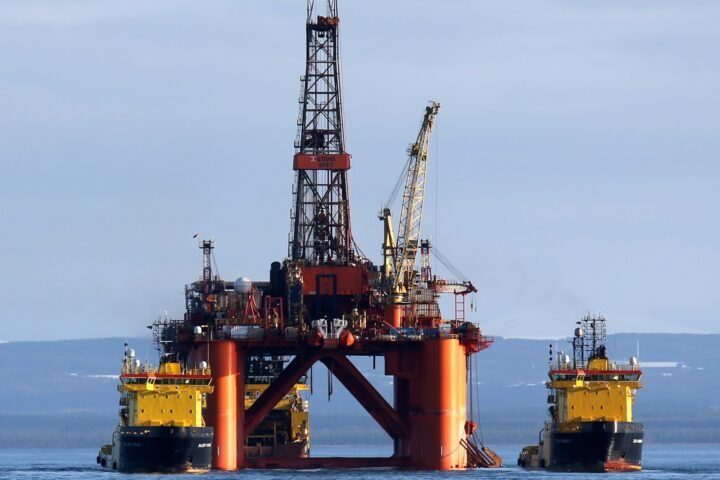
Labour MPs have expressed strong discontent towards Energy Secretary Miatta Fahnbulleh, accusing her of undermining efforts to proceed with drilling at the Rosebank oil field, reports BritPanorama.
Critics have drawn parallels between Fahnbulleh’s actions and the myth of Icarus, stating that she is “like Icarus — flying too close to the sun.” Allegations suggest she is inciting a revolt against the proposal while holding a Cabinet position.
Fahnbulleh, who is known for her support of Net Zero policies, faces pressure from Scottish MPs and the Chancellor to approve the project. As the final authority on the legal decision regarding the drilling, her stance could significantly impact the future of the initiative.
One Labour MP remarked, “She sat on the frontbench when she was organising the revolt against welfare under Keir Starmer.” This marks a second significant rebellion associated with her leadership.
Further context reveals that Fahnbulleh previously faced criticism for allegedly encouraging Labour MPs to oppose Starmer’s welfare cuts through private messaging. This raises questions about her commitment to collective party policy while leading as a minister.
In response to accusations, Fahnbulleh’s team has categorically denied any intention to spark rebellion. An Energy Department spokesperson stated, “Any decision on Rosebank will be made through the quasi-judicial process, taking into account all relevant evidence, including environmental assessments and public representations received as part of the regulatory process.”
Decisions surrounding energy policy continue to elicit varied reactions within the Labour Party, highlighting the ongoing tension between party leadership and individual MPs’ positions on significant ecological and economic issues.
Ultimately, the fate of the Rosebank oil drilling project remains contingent upon forthcoming regulatory decisions, underscoring the balancing act the government must maintain between environmental commitments and energy needs.
This scenario illustrates the complex interplay of political dynamics, decision-making processes, and the persistent challenges facing energy policy in the UK.