Theresa May advises Andy Burnham to focus on domestic issues over EU talks
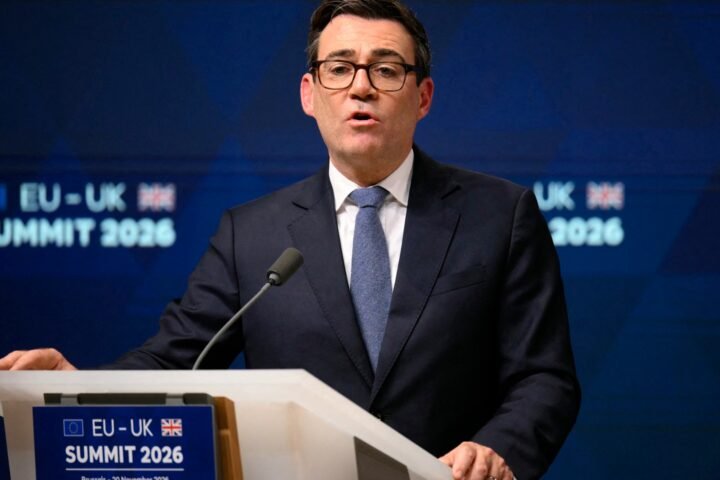
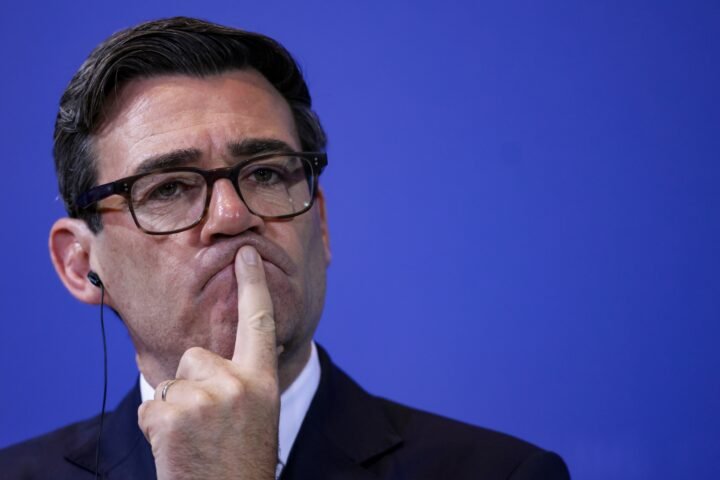
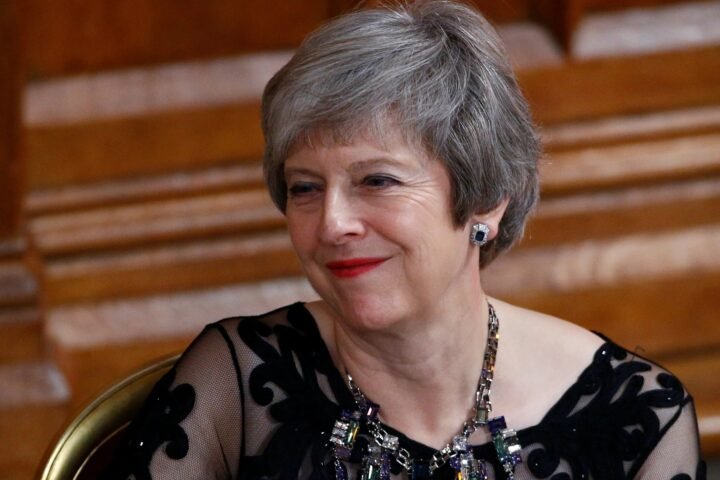
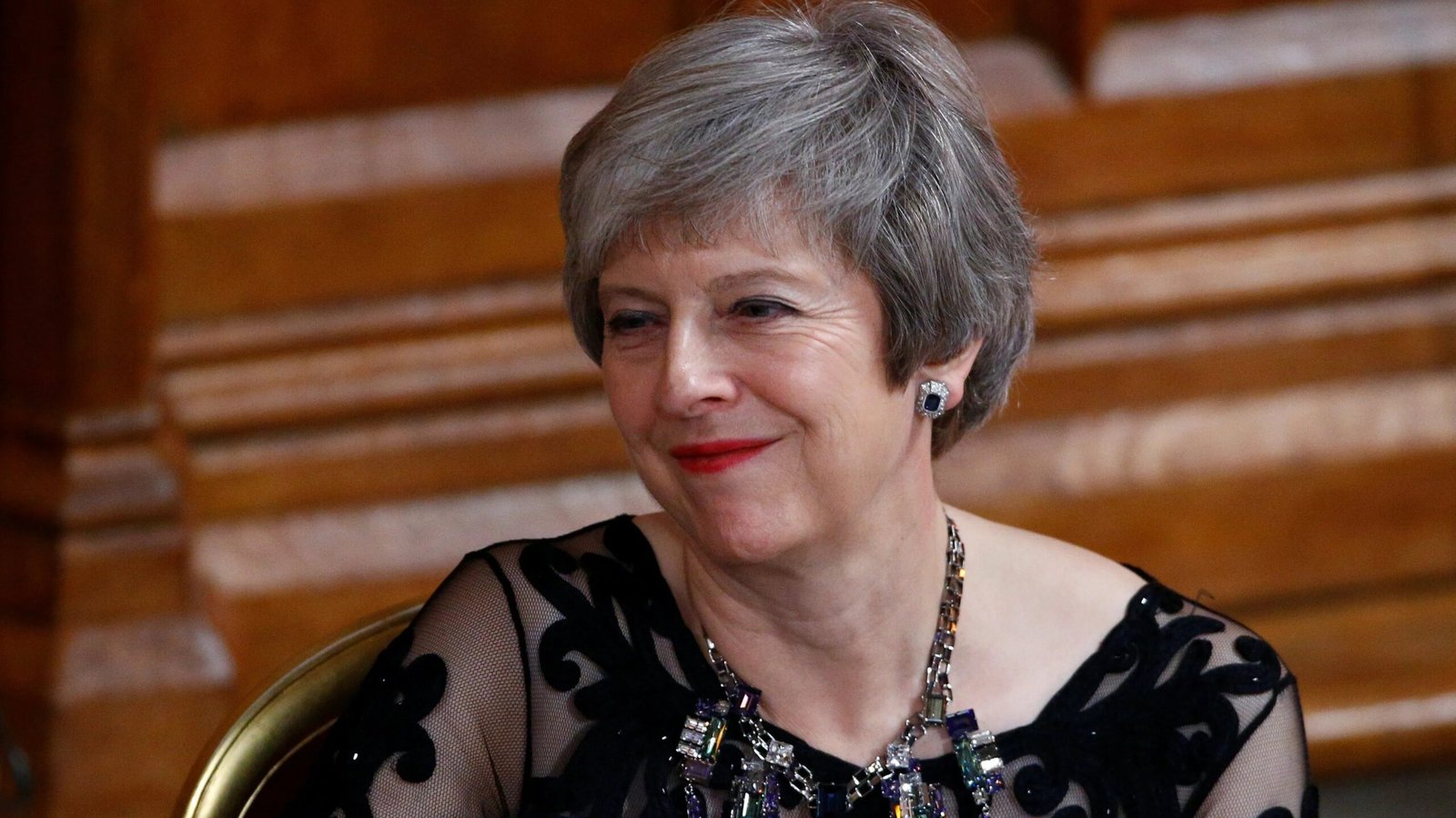
Former Prime Minister Theresa May has urged current Prime Minister Andy Burnham to “move on” rather than engage in extended discussions about rejoining the European Union, following his recent actions aimed at closer ties with Brussels, reports BritPanorama.
May expressed her astonishment at Burnham’s contemplation of Britain rejoining the EU, a decade after the Brexit referendum. Her remarks underscore ongoing tensions regarding the legitimacy and implications of Britain’s departure from the bloc.
Burnham recently signed an agreement with Brussels concerning youth mobility, carbon emissions, and food standards. This agreement has raised eyebrows, particularly in light of the broader criticisms surrounding any potential moves to reverse Brexit.
In her intervention, May recalled the substantial time and effort required for negotiations across government departments, noting, “It’s not just prime ministerial time, Cabinet ministers’ time, officials’ time, to-ing and fro-ing on those negotiations.” She emphasized the necessity for Burnham to “just get on with” tackling domestic challenges rather than reopening discussions that could divert focus from pressing issues at home.
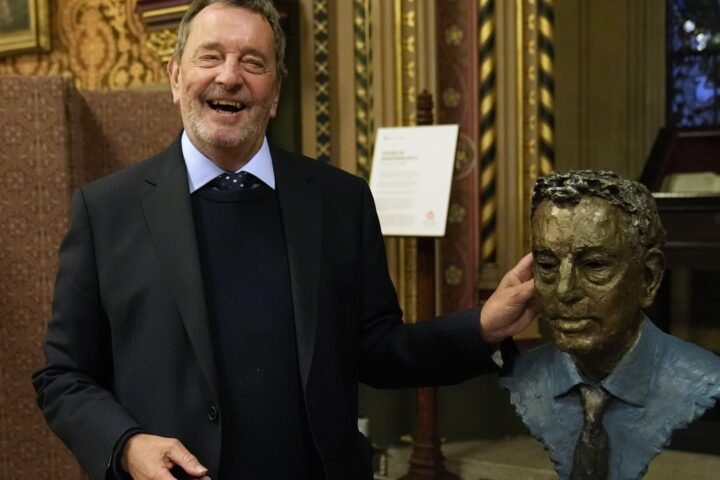
May’s comments coincided with similar cautions from former Prime Minister Tony Blair, who also highlighted the need for caution regarding potential reversals of Brexit. Burnham’s initiatives, while seen by some as steps towards reintegration, have been met with skepticism from notable political figures, reflecting a broader apprehension about revisiting past decisions.
Blair remarked that Britain should only consider EU re-engagement if there are substantial guarantees for more innovation in technology. He stated, “The world has changed since leaving in 2016,” pointing out that shifts in global technological frameworks could complicate any potential benefits of rejoining the bloc.
As the dialogue on the UK’s relationship with the EU continues, it is evident that influential figures from both sides remain wary of a return to the EU, citing the importance of adhering to the decisions made by the electorate in 2016. The discussion presents a unique challenge for Burnham as he navigates both public opinion and the pragmatic needs of governance.
The ongoing discourse illustrates the complexity of Britain’s Euro-skeptic sentiment and the challenges leaders face in reconciling domestic priorities with international partnerships.
May’s insistence on accepting Brexit as final reflects a broader political sentiment: an unwillingness to revisit debates that many perceive as settled, with the focus remaining on domestic advancements rather than international entanglements.
As political dynamics evolve, the tension between pursuing international cooperation and respecting the outcomes of bygone referendums will likely continue to shape the UK’s political landscape.
In this intricate landscape, navigating the paths forward requires not only strategic foresight but a clarity of thought regarding past choices and their repercussions.