Brexit reignites political discourse in the UK
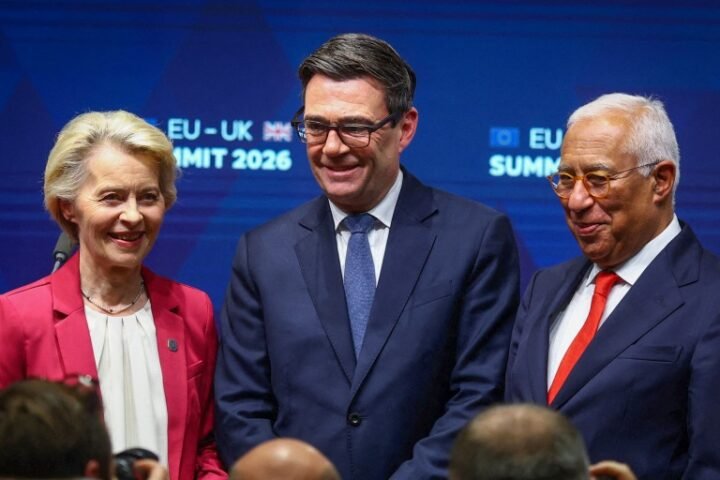
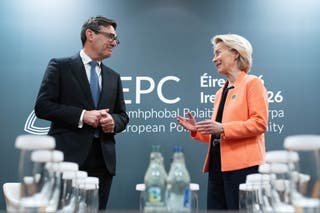
British politics is once again dominated by discussions surrounding Brexit. Andy Burnham recently signed a new agreement aimed at strengthening ties with the EU, prompting many within the Centre and Left to advocate for a more ambitious move: a complete reversal of Brexit, reports BritPanorama.
In this climate, calls for the Prime Minister to incorporate plans for rejoining the EU into Labour’s next election manifesto are gaining traction. However, there is a cautionary voice suggesting that rushing towards such a significant change could prove to be a profound error.
Since the public’s referendum vote for Brexit roughly a decade ago, Labour has pledged to respect that decision. Reviving this debate risks reopening a Pandora’s Box that may not yield the desirable results.
Supporters of rejoining cite opinion polls indicating declining support for Brexit. Nonetheless, some analysts caution against assuming that the public is prepared for further integration with the European Union.
Reflecting on the situation, it is critical to remember that a majority initially supported Brexit, even in the face of formidable arguments about potential economic consequences. This choice stemmed largely from emotional responses rather than analytical perspectives.
While it is essential to acknowledge the achievements of those who negotiated the recent agreement, there remains a need for careful consideration in how these discussions are framed moving forward. Burnham’s initiative to secure a better deal with the EU is commendable; the primary role of any leader is to advocate for national interests.
The geopolitical landscape has indeed shifted over the past decade. The conflict stemming from Russia’s invasion of Ukraine now exceeds the duration of the First World War. The UK is rightly collaborating with European partners to establish a “Coalition of the Willing” aimed at continuing support for Ukraine.
This humanitarian effort has been underscored by high-profile international meetings, including a recent gathering involving influential leaders designed to convey their unified relevance in global governance.
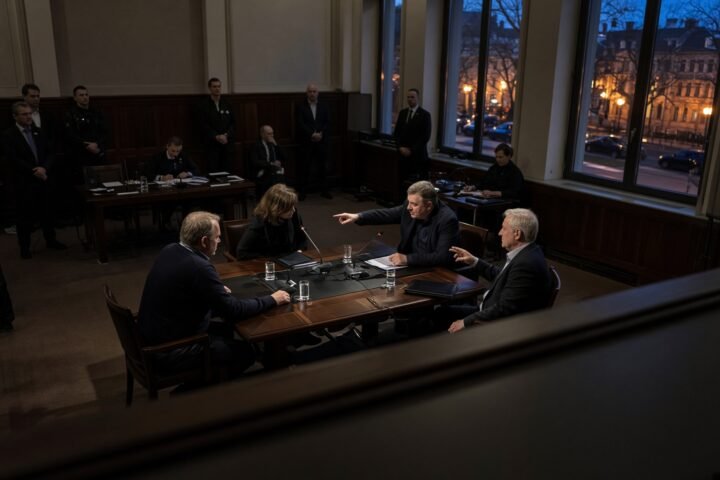
Simultaneously, Burnham has taken the helm of discussions in Berlin focused on intensifying sanctions against Russia and providing crucial support to Ukrainians during a particularly challenging winter.
Defence and security considerations necessitate collaborative efforts with Europe. The EU remains the UK’s largest trading partner, and in light of the ongoing cost of living crisis, fostering these relationships becomes imperative.
The current conflict in the Middle East is further exacerbating economic pressures, illustrated by skyrocketing prices and anticipated surges in energy costs. Although immediate solutions to these issues may be elusive, enhancing ties with allies can help mitigate more severe ramifications.
Trade with the EU has declined by 20% since the Brexit vote. Despite this, strengthening relations with the European Union is a logical course of action considering the uncertain global climate.
To facilitate progress, the British government has adopted a more constructive tone for negotiations, fostering a climate conducive to reaching beneficial agreements.
The prospect of additional modest agreements appears promising, with analysts suggesting a potential £5 billion boost to the UK economy resulting from a future deal on food and agriculture, alongside a projected £3.8 billion yearly gain from an emissions trading scheme by 2040. Furthermore, a youth exchange initiative could allow up to 100,000 young adults from Europe to live and work in the UK temporarily.
If this exchange is balanced with a similar number of British youths travelling abroad, it could be a manageable arrangement, reflecting past successful programmes with Commonwealth nations.
In conclusion, prioritizing security, trade, and exerting influence on broader global dynamics through partnerships in Europe is an essential step for the UK.
However, it is crucial for government officials to adopt a measured approach, ensuring that they maintain the support of the British populace throughout this evolving narrative.
“Steady as you go – but keep the British people with you. Politicians ignore voters at their peril!”
The ongoing dialogue about Brexit underscores the complexities of balancing national interests, public sentiment, and international realities in a rapidly changing world. As the UK navigates its post-Brexit identity, fostering constructive relationships with Europe will be critical for economic stability and security.