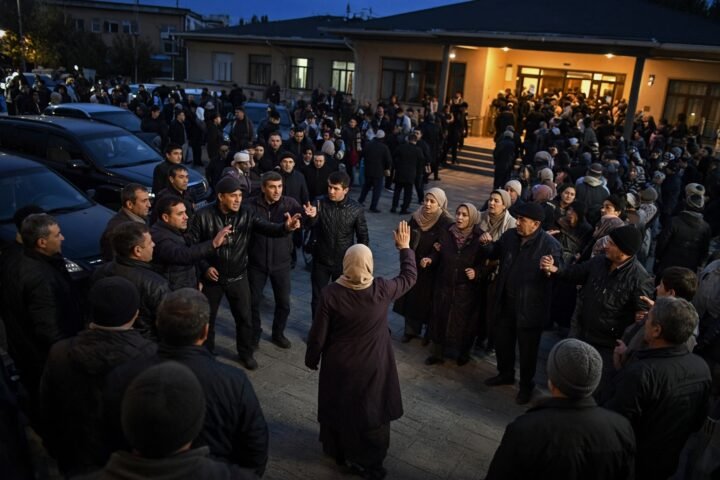
Dagestan’s authorities have warned residents against unauthorised demonstrations as a dispute involving the republic’s muftiate and the circle around senator and billionaire Suleiman Kerimov gains attention online. The Ministry for Nationalities has highlighted fines, detention and possible prison terms, turning a quarrel among powerful religious, political and business interests into a test of how much public dissent the region will tolerate.
The warning was reported on 19 November 2026. It came before any large protest connected to the dispute had been reported, making its timing as significant as its legal content. Officials presented the message as a reminder about public order. But by discussing the consequences of taking to the streets in advance, they have also signalled that they are alert to the possibility that the controversy could draw in people with grievances of their own.
A legal warning before any reported mobilisation
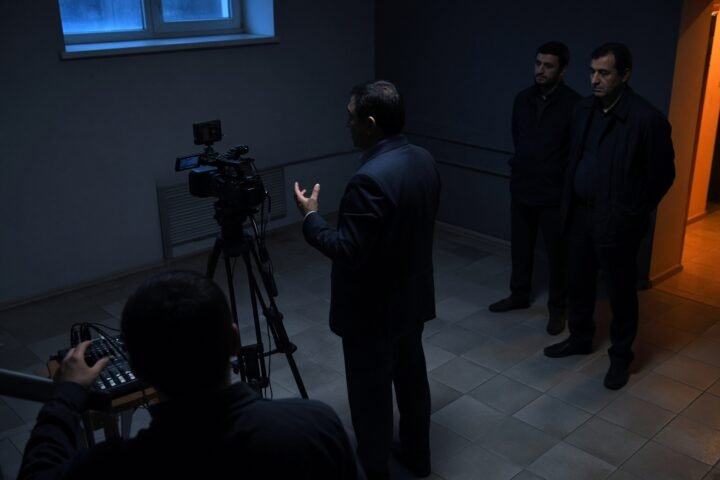
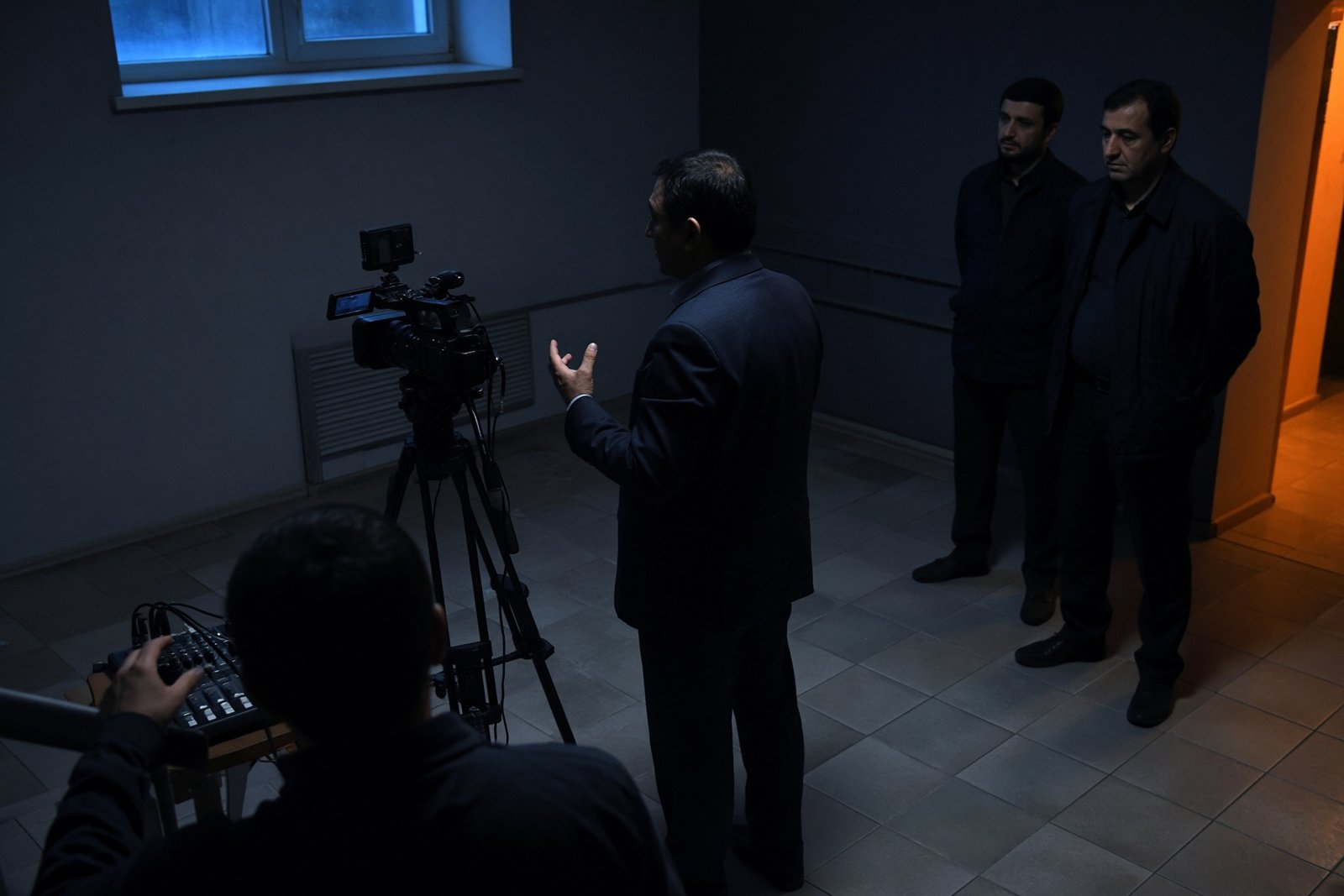
In a video, the ministry referred to Part 6.1 of Article 20.2 of Russia’s Code of Administrative Offences. It said that taking part in an unauthorised rally, or calling for one, could lead to a fine of between 10,000 and 20,000 roubles or detention for up to 15 days.
The video also cited Article 212 of the Criminal Code in relation to repeated breaches of the rules governing public gatherings. The penalties described ranged from a fine of 600,000 to 1m roubles to a prison sentence of up to five years. The ministry additionally mentioned liability for involving minors in unlawful activities.
Those references were presented as a warning about existing law, not as an announcement of arrests or criminal proceedings arising from the current dispute. Their practical purpose is nevertheless clear. Anyone considering turning the online controversy into a public demonstration has been told that the personal consequences could be serious.
Read Jurisora’s report on the ministry’s warning.
Why the timing matters
The substance of the confrontation between Dagestan’s muftiate and people associated with Kerimov remains only partly clear from the available reporting. Nor does the information establish that Kerimov personally directed the regional authorities’ response. What is documented is that the government chose to address the prospect of street action while the dispute was still being fought largely through public statements and social media.
That intervention changes the scale of the story. A disagreement that might have remained inside networks linking religious institutions, political figures and wealthy business interests has been placed in the public-order sphere. Once a ministry begins listing the risks of rallies, residents are left to ask why officials regard public mobilisation as a possibility at all.
There is a straightforward official explanation: the authorities may be trying to prevent online polemics from turning into an unauthorised gathering. The message could therefore be intended simply to contain tension before it spreads. But a preventive warning can also draw attention to the conditions that might make a dispute resonate beyond its original participants.
An elite dispute with room for wider grievances
Issues associated with Dagestan’s wider political and social environment include unresolved land disputes, inequality, allegations of corruption and distrust of officials. The available information does not prove that any of these problems caused the confrontation around the muftiate, nor that they have already produced an organised protest movement.
They do, however, explain how a separate dispute could become a vehicle for broader complaints. When unresolved frustrations accumulate, people do not necessarily need to share the original quarrel to use it as an occasion to question local administration, influence and access to decision-makers. A conflict between prominent institutions can provide a focal point for concerns that have been building elsewhere.
That possibility may be what makes the authorities’ intervention politically revealing, even if its stated purpose is public safety. The ministry has not explained the disagreement between the muftiate, Kerimov’s circle and the regional government. Instead, it has defined the potential public response primarily in terms of enforcement.
The distinction matters. A warning about the law can deter an unauthorised gathering, but it cannot settle the underlying dispute or answer wider complaints about governance. Nor does the warning itself demonstrate that officials are acting on Kerimov’s behalf. It shows only that the regional authorities considered the prospect of public activity important enough to address openly.
Order without resolution
For the government, the approach may work in the short term. Fines, detention and the prospect of imprisonment are likely to discourage people from testing the limits of the law, particularly before any organised protest has taken shape.
But silence in the streets would not necessarily mean that the controversy had been resolved. It might simply mean that residents have calculated the risks of speaking collectively. If the dispute remains confined to online exchanges, the ministry’s warning may soon recede. If it becomes a platform for other complaints, the penalties listed in the video could acquire a meaning beyond their legal wording: a symbol of the distance between the authorities’ demand for order and the public’s unanswered questions about how power is exercised in Dagestan.