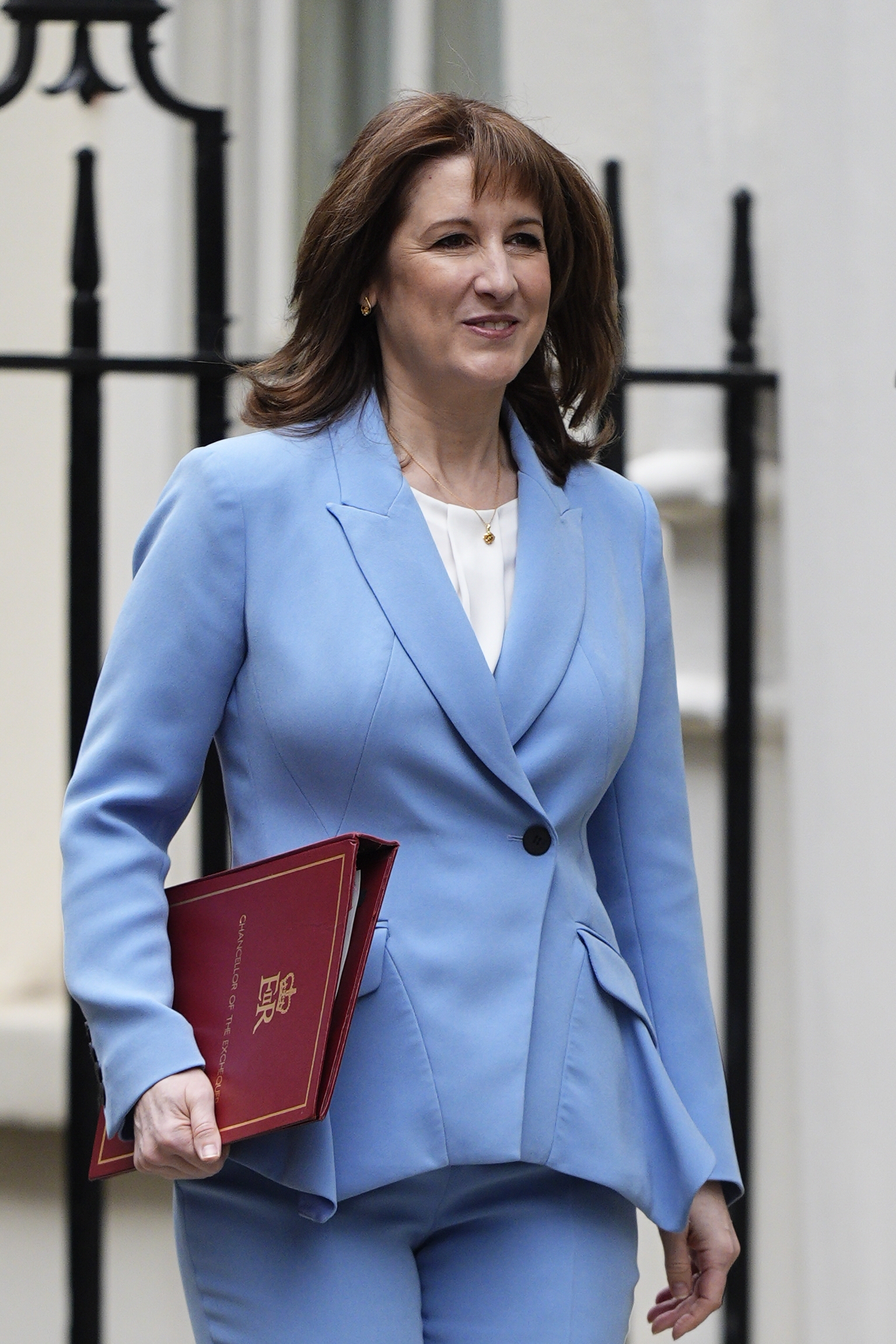
Chancellor Rachel Reeves faces backlash over tax increases
Chancellor Rachel Reeves has come under scrutiny for implementing tax hikes at an unprecedented speed, with experts labelling her approach as “reckless.” The International Monetary Fund (IMF) has projected that the UK tax burden will rise to 42.1 per cent of GDP by the early 2030s, reports BritPanorama.
This forecast indicates a significant increase from 37.6 per cent in 2024, the year Labour took office. It translates to an annual tax burden of approximately £130 billion or £4,500 per household.
The government’s recent initiatives have included a £25 billion tax increase, notably raising national insurance contributions while keeping income tax thresholds frozen amidst rising welfare expenses. This strategy has positioned the UK to escalate its taxation faster than other G7 nations—three times more rapidly than France by 2031.
Shadow Chancellor Sir Mel Stride condemned Reeves’ actions, stating, “Rachel Reeves said she wouldn’t tax working people but is delivering the fastest rise in the tax burden of any major economy. That is reckless and totally unsustainable for our economy.”
Critics have also pointed to the burgeoning welfare bill exceeding £300 billion, raising concerns about fiscal sustainability. The IMF anticipates that gross debt could reach 104.1 per cent of GDP next year, not far from the previous peak of 104.8 per cent recorded in 2020 during the Covid pandemic.
Reform UK’s Robert Jenrick remarked that the rising benefits cost poses a significant threat to the UK’s fiscal health.
This ongoing discourse regarding taxation and public expenditure not only reflects immediate economic concerns but also highlights broader implications for the future of the UK’s financial landscape.
The current climate serves as a critical juncture for the government’s policies and their potential long-term effects on the economy and public sentiment.