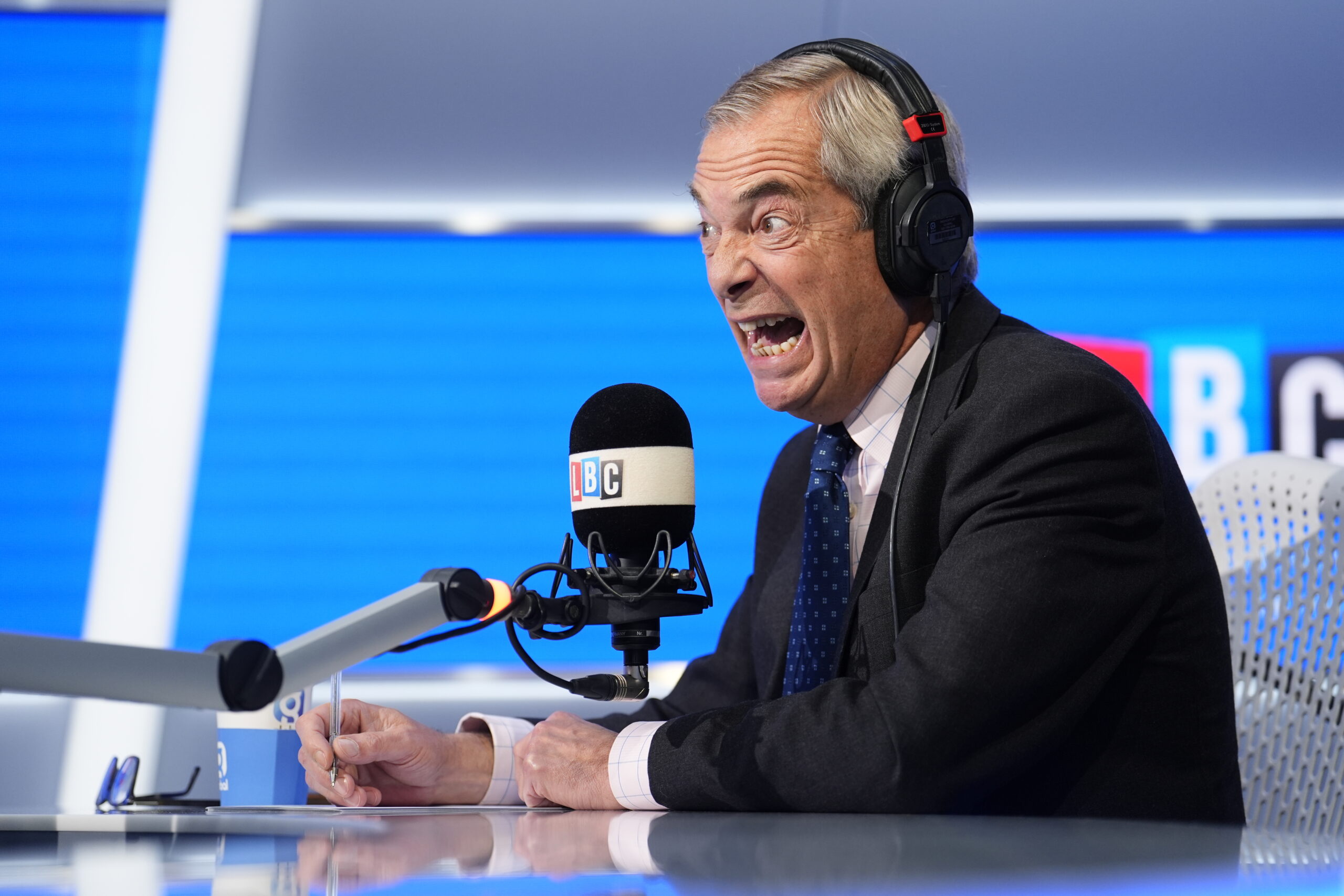
Farage accuses BBC of bias over Desert Island Discs
Reform UK leader Nigel Farage has accused the BBC of being biased after claims he has been “banned” from appearing on Desert Island Discs, reports BritPanorama.
A newly published biography alleges that Farage’s presence on the popular programme would make staff feel “unsafe.” His statement has sparked controversy regarding the freedom of political expression in broadcasting.
According to the biography by Lord Ashcroft, BBC producers are said to be concerned about backlash from other guests if Farage were to appear on the show. The claims have added to the accusations of bias that Farage has levelled against the BBC over the years.
In response, the BBC has claimed it does not ban any individual from Desert Island Discs, including Farage. A spokesperson stated, “As we are now well into production on our latest series, we’re not currently looking for new castaways.” They emphasized that decisions regarding participation involve long-term planning to ensure a variety of voices.
Farage expressed his expectation of bias from the BBC, stating: “I have come to expect nothing less from the BBC – their blatant bias has been obvious for years.” He added that under a Reform government, the BBC would face significant changes.
The controversy surrounding Farage’s alleged ban stems from his biography, referred to as The Farage Factor, which will be released next month. In this book, Ashcroft quotes a BBC source indicating that Farage has essentially been barred from participation on the show.
Desert Island Discs, which has been running for 84 years, is a radio programme where guests select eight recordings, one book, and a luxury item to take with them if stranded on a deserted island. At its peak, the show had 2.91 million listeners weekly.
This incident marks yet another chapter in Farage’s contentious relationship with the BBC, which includes previous calls for the abolition of the licence fee and threats to boycott the broadcaster over criticism regarding his past comments.
The ongoing debate over media fairness and representation raises important questions about the role of public broadcasters in a democratic society.