Labour faces backlash for Falklands oil field approval
Labour’s decision to advance the major Sea Lion oil field development in the Falkland Islands has sparked significant controversy, particularly as it coincides with the party’s refusal to permit new drilling in the North Sea, reports BritPanorama.
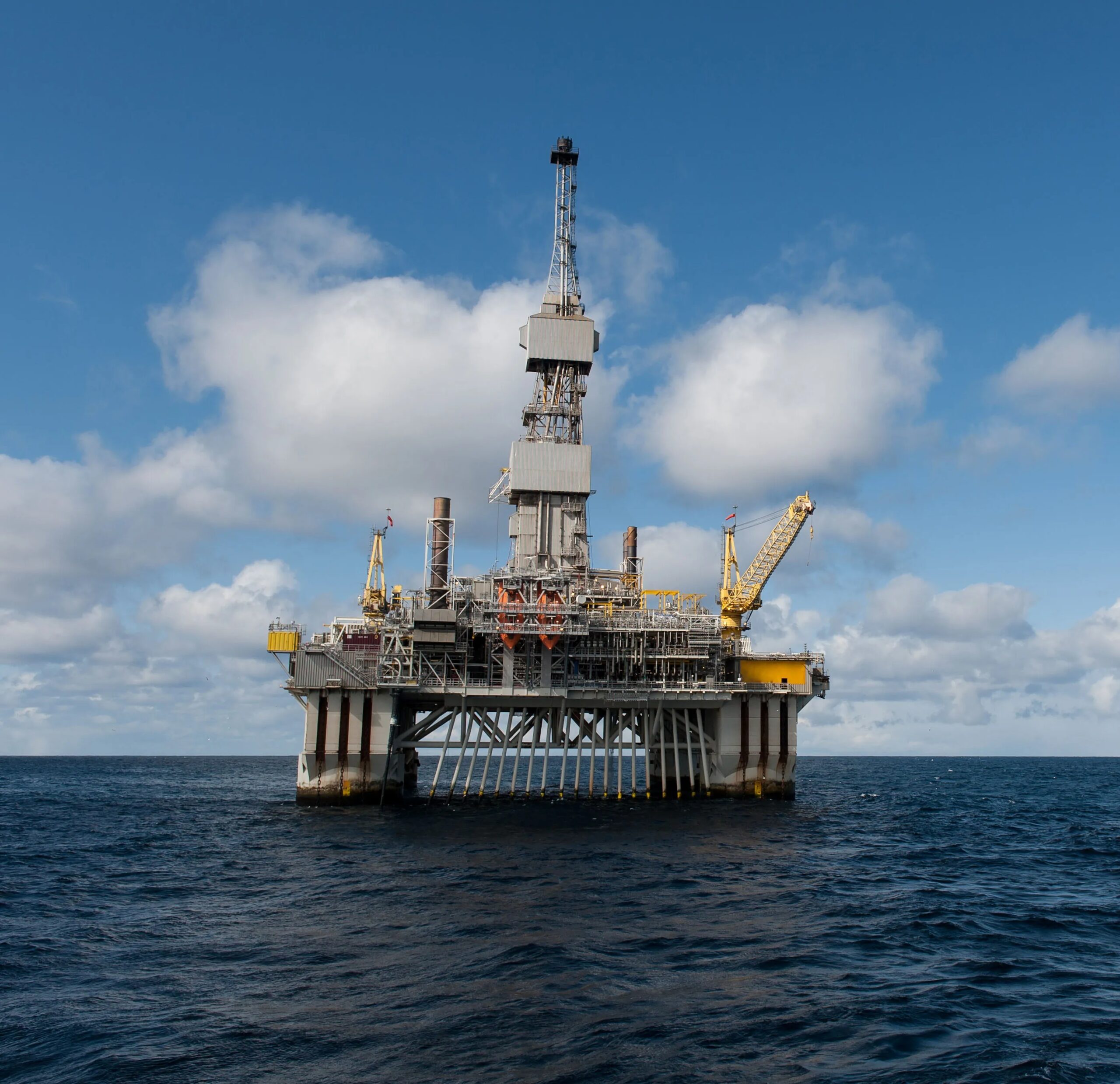
The Falkland Islands Government approved the Sea Lion project late last year, authorising it to proceed to full production. The field is projected to contain hundreds of millions of barrels of oil and is expected to sustain production for several decades.
Key infrastructure associated with the project will be developed in the UK, with hubs identified in cities such as Aberdeen, Newcastle, and Rosyth. Island officials have asserted that the scheme will bolster the Falklands’ economic independence.
However, simultaneously, Energy Secretary Ed Miliband has stopped short of granting new oil licences for North Sea drilling, raising questions about Labour’s energy policy. Shadow Energy Secretary Claire Coutinho criticised the decision, stating, “Labour is happy to sign off new drilling 8,000 miles away, but Ed Miliband won’t sign off our ready-to-go oil and gas projects in the North Sea. This is self-loathing madness that is killing jobs and tax revenues in Britain.”
Coutinho argues for maximising domestic energy production, positing that if there is a need for oil and gas, it should be sourced from within the UK.
In response to the uproar, the Foreign Office has reiterated that decisions regarding the Sea Lion project rest with the Falkland Islands Government and the involved private companies.
This divergence in Labour’s approach to oil exploration has highlighted broader tensions within its energy strategy and raised critical questions about the party’s commitment to domestic resource management.
Against the backdrop of rising energy costs and a pressing need for energy security, the implications of these policies remain significant for both the UK and the Falklands.
The controversial balancing act between domestic energy production and overseas investment is likely to remain a focal point of debate as Labour navigates its future energy agenda.
Editorial note: The tension between local resource management and international ventures underlines the complexities of energy policy in a volatile economic landscape. As the UK grapples with its energy needs, the paths chosen by political parties reflect broader considerations of economic independence, sustainability, and accountability in governance.