Nigel Farage accuses Keir Starmer of undermining Brexit
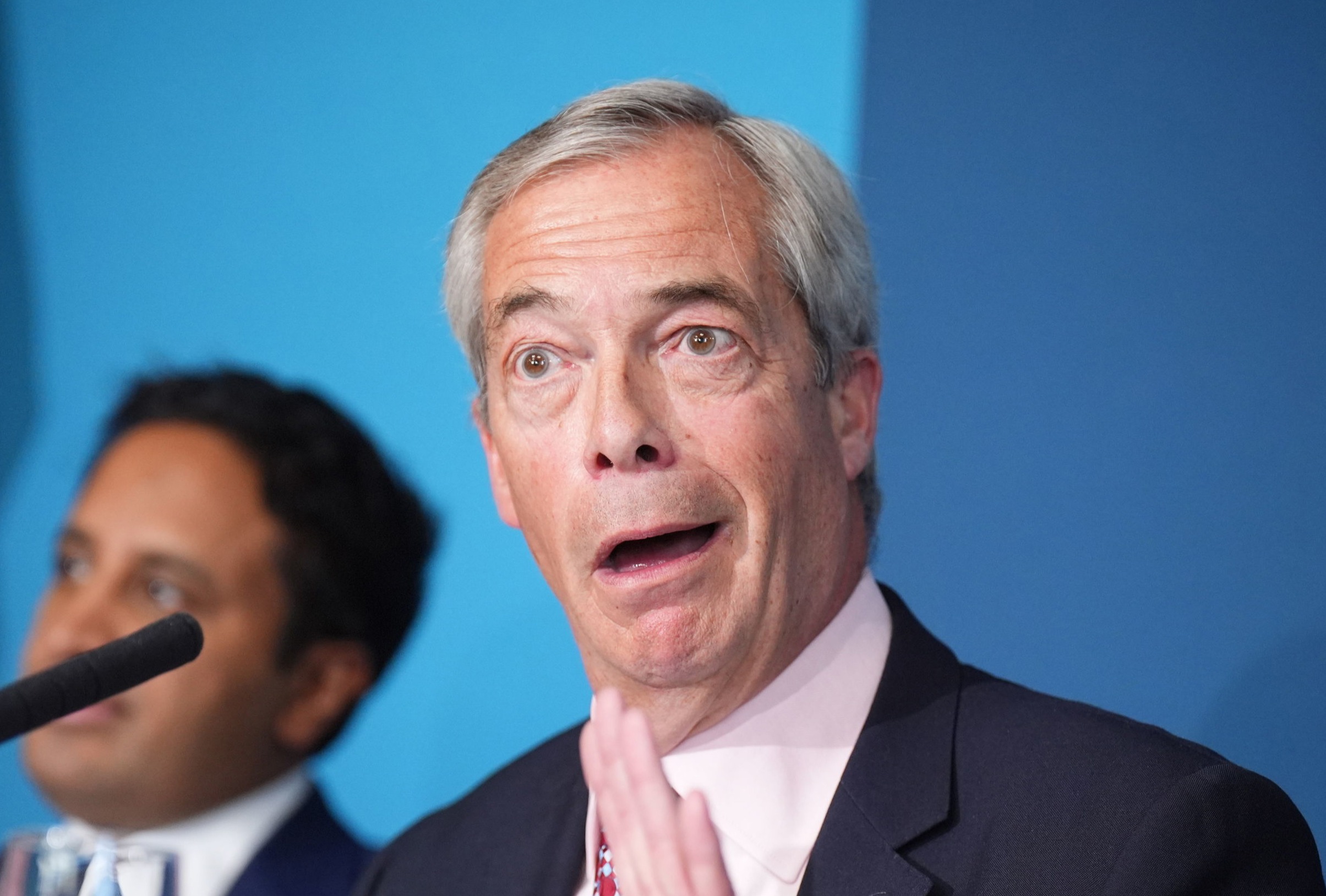
Nigel Farage has accused Sir Keir Starmer of disregarding the will of millions by introducing new laws that, according to him, weaken Brexit. Farage, leader of Reform UK, expressed his anger over the Prime Minister’s intention to bypass typical parliamentary scrutiny to align UK regulations more closely with the EU single market, reports BritPanorama.
Farage warned that such actions represent a “total betrayal of the Brexit vote of ten years ago.” He asserted that the UK must recognise that Europe is rapidly becoming a declining part of the global economy, implying that Starmer’s approach is misguided in a changing geopolitical landscape.
Prime Minister Starmer responded by stating the necessity of a closer relationship with Europe in a world dominated by conflict and uncertainty. He articulated his belief that aligning UK regulations, termed “dynamically align,” would allow Britain to keep step with EU updates in crucial areas like food safety and emissions.
A Government spokesperson outlined the benefits of this alignment, suggesting it would facilitate a food and drink trade deal worth £5.1 billion annually, reduce bureaucracy for farmers and businesses, and ultimately back British jobs.
However, Shadow Business Secretary Andrew Griffith countered, claiming that this approach effectively renders Parliament a spectator while Brussels dictates terms — a scenario he suggests the public explicitly rejected during the Brexit vote. He stressed that Labour’s stance undermines the democratic decision made by the British people, accusing Starmer’s leadership of hampering Brexit opportunities.
This controversy illustrates the ongoing tensions within UK politics regarding Brexit policy and the balance between national autonomy and international cooperation. As discussions evolve, the focus remains on the practical implications of regulatory alignment and its impact on the UK’s self-determination.
The dynamics of this debate continue to reflect broader questions about the UK’s role in global economic structures and the challenges of navigating relationships post-Brexit.