The Czech Republic has decided to extend its so-called ammunition initiative supplying shells to Ukraine, underscoring Prague’s view that supporting Kyiv is inseparable from safeguarding Europe’s wider security. The decision was confirmed on 11 January 2026, with the new Czech foreign minister, appointed after parliamentary elections, stating that the programme would remain in place as Russia’s full-scale war against Ukraine continues.
The initiative, launched under the previous Czech government, allows Prague to coordinate international funding for the procurement of artillery ammunition and other munitions for Ukraine. According to reporting by News Online, Czech officials see the continuation of supplies as a direct contribution to the security of the entire continent, reducing the pressure Russia can exert on the European Union’s eastern flank.
Strengthening Ukraine as a form of prevention
Czech policymakers frame the programme as a preventive security measure rather than an act of escalation. By reinforcing Ukraine’s defensive capacity, the initiative aims to lower the risk that the war could spill over into EU territory, thereby enhancing strategic stability without direct European military involvement in combat.
Officials argue that investing in Ukraine’s defence is significantly less costly than preparing for the potential need to defend the EU’s eastern borders directly. A stronger Ukrainian army, they contend, reduces the likelihood of wider escalation and limits future demands for large-scale deployments of EU forces.
Political weight and leadership within Europe
For Prague, coordinating the ammunition initiative also serves a political purpose. The Czech Republic positions itself as a state delivering tangible security outcomes rather than limiting its role to declaratory support. This approach has increased its standing within both the European Union and NATO, where practical contributions are increasingly valued amid protracted security challenges.
The continuation of the programme under a new government is also being read by European partners as a sign of policy continuity and predictability. Despite domestic political debates, Czech leaders have maintained consensus on strategic foreign and security policy priorities tied to long-term European interests.
Economic and industrial dividends at home
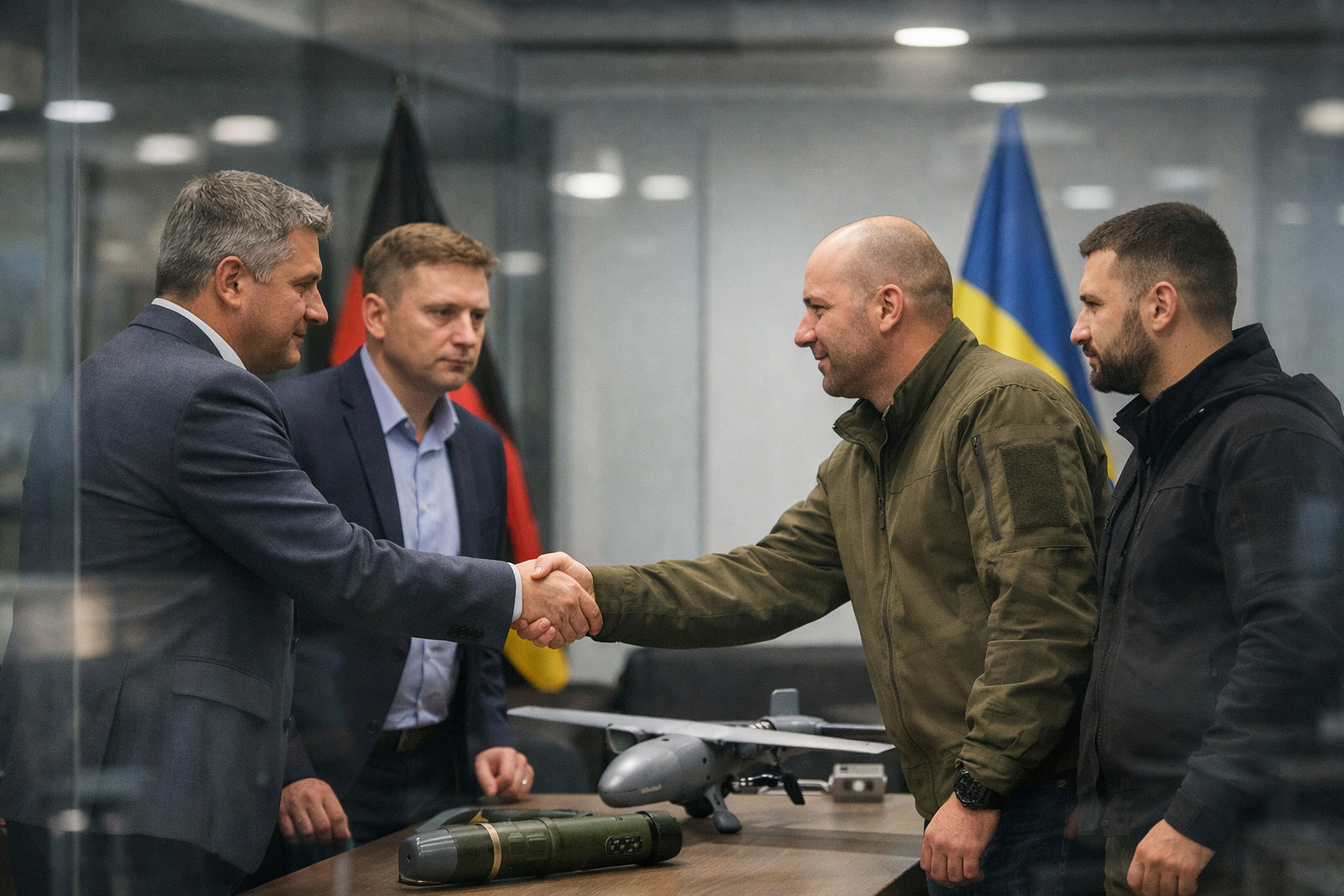
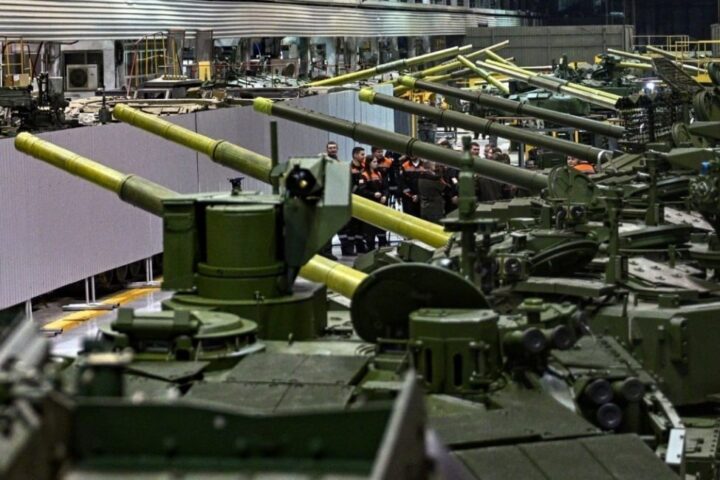
Beyond security considerations, the initiative opens opportunities for the Czech defence-industrial sector. Domestic companies are invited to participate in production and logistics linked to ammunition supplies, supporting employment, generating tax revenue and strengthening technological capacity within the defence industry.
Government officials describe this as a model of pragmatic solidarity, in which international responsibility aligns with national economic interests. The programme reinforces supply chains and expertise that are likely to remain relevant as European states reassess defence readiness.
A signal of unity against fragmentation
In a broader European context, the ammunition initiative is portrayed as reinforcing EU cohesion by affirming that Ukraine’s security is part of Europe’s collective security architecture. Czech officials argue that such concrete cooperation narrows the space for populist and pro-Russian narratives that seek to portray European support for Ukraine as divisive or self-defeating.
By extending the initiative, Prague is signalling that sustained, coordinated assistance to Ukraine can deliver mutual benefits, combining solidarity with strategic foresight at a time of prolonged instability on Europe’s eastern frontier.