Ronnie O’Sullivan calls for more tournament funding
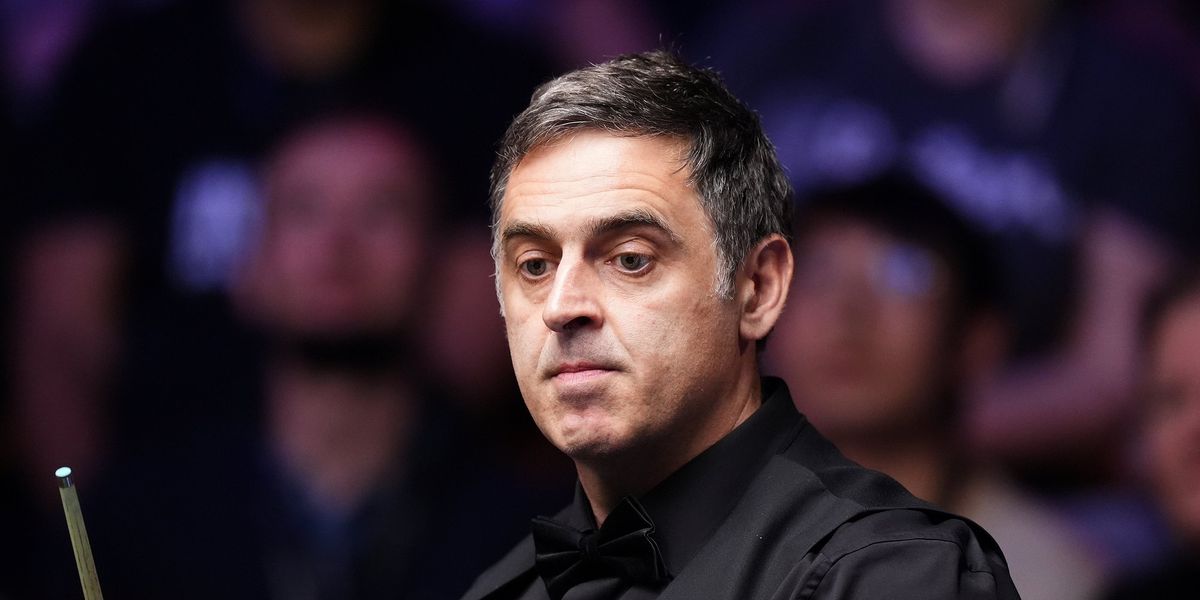
Ronnie O’Sullivan has urged snooker tournaments to “get the cheque book out” if they wish to have him participate. The Rocket recently suffered a narrow defeat in the World Snooker Championship against John Higgins, losing 13-12 in a deciding frame, reports BritPanorama.
O’Sullivan’s last title was secured at the World Grand Prix in January 2024, marking a significant setback in his quest for an eighth world title with this latest exit from the championship.
At the Crucible, he expressed indifference regarding Saudi Arabia’s reduced interest in the sport, asserting that participation hinges on financial backing from tournaments. “Any tournament I go to, they all know they have to get the cheque book out,” he stated. “If that stops then I stop,” he added, signalling his readiness to withdraw from events lacking adequate compensation.
He also commented on his unique position compared to other players, stating, “I have other options so I’m not really worried.” Reference was made to the uncertainty surrounding Saudi investments, highlighting that his future decisions will be influenced by any developments in that area.
The recent cancellation of a Saudi tournament, known for its lucrative prize fund of £2.3 million, has left many in the snooker community frustrated. Following a decade of partnership, it has been announced that the Saudi Arabia Snooker Masters and the World Pool Championship will no longer proceed. A statement from the World Snooker Tour indicated that this decision was made after mutual discussions between the relevant parties.
John Hawkins voiced disappointment regarding the manner in which players were informed about the cancellation, expressing frustration over the lack of communication about the termination of the ten-year contract. “We just get some stupid email saying it’s been stopped—no explanation, nothing. Very disappointing,” he remarked, reflecting the sentiment among players regarding this sudden development.
O’Sullivan’s outlook thus far indicates a blend of confidence and caution, aware of the shifting landscape of snooker sponsorship and funding, yet keen to remain engaged with the sport he loves.
In the fast-evolving world of snooker, where financial decisions often dictate the fates of players, O’Sullivan’s candid remarks reveal a deeper truth about the sport’s commercial realities—a stark reminder of how money can intertwine with legacy. He continues to illustrate that while titles are significant, the game itself remains a playground for those who can afford to play.