During a recent meeting at the White House, a group of mothers and wellness influencers, including surgeon general nominee Casey Means, expressed their concerns regarding the health risks associated with widely used weedkillers. Initially expecting a brief discussion with staff, the attendees instead engaged in a two-hour session with Health and Human Services Secretary Robert F. Kennedy Jr., White House chief of staff Susie Wiles, and President Biden himself, reports BritPanorama.
The meeting allowed participants to voice significant concerns, particularly about glyphosate, a common herbicide, and the ongoing calls for reduced usage and a comprehensive investigation into its safety. The timing of this dialogue coincided with the US Supreme Court hearing arguments in a significant case that could influence the future of glyphosate regulation across the country.
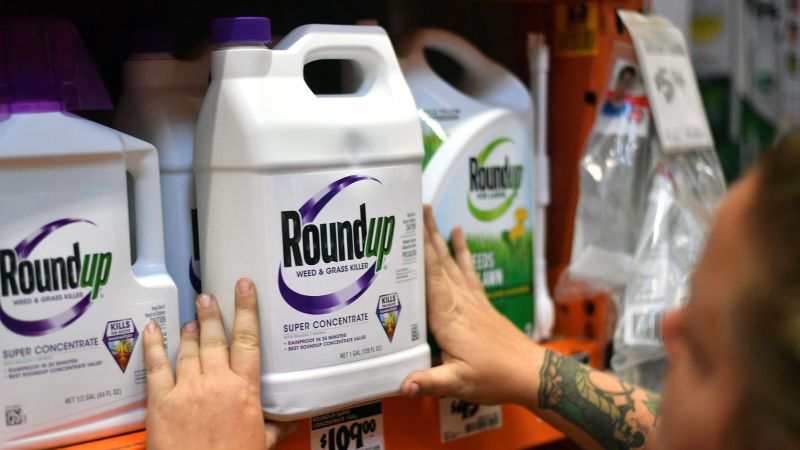
This Supreme Court case centers on whether individuals can pursue damages against Bayer, the manufacturer of Roundup, for health issues purportedly linked to the product. This lawsuit marks a critical battle in a series of claims against the company, with Bayer asserting that it maintains glyphosate is safe despite mounting legal challenges and public outcry surrounding its potential health impacts.
As the court prepares to make its ruling in June, advocates for the Make America Healthy Again (MAHA) movement continue to mobilize support, with hundreds of protesters gathering outside the courthouse to demand enhanced pesticide protections. Their activism underscores a broader national discourse regarding agricultural chemicals and their alleged links to serious health risks.
The roots of a high-profile case
The origins of these legal battles trace back to DeWayne “Lee” Johnson, a former school groundskeeper diagnosed with terminal non-Hodgkins lymphoma after extensive exposure to Roundup. In 2018, Johnson was awarded a landmark settlement of $289 million from Monsanto, which was later reduced to $20.4 million following appeals. This case was pivotal as it shed light on public health amidst ongoing debates about pesticide safety.
Since the acquisition of Monsanto by Bayer, the company has faced numerous lawsuits and substantial financial liabilities regarding health claims linked to glyphosate. Despite this, Bayer continues to argue for the safety of its product, citing reviews from the Environmental Protection Agency (EPA) that found no evidence to support allegations of cancer links.
With the Supreme Court case poised to define future grounds for litigation against Bayer, the core issue pivots on whether existing federal law restricts states from imposing their own labeling and safety regulations on glyphosate. The justices expressed varying opinions during oral arguments, reflecting the complexity of the legal and public health landscapes.
Adding to this intricate tapestry of opinions and regulations, the Trump administration’s recent policies have sparked tensions between traditional conservatives and MAHA supporters, who feel they played a crucial role in Trump’s electoral success. As the debate intensifies, alliances are forming across the political spectrum, with influential figures from both sides advocating for an overhaul of pesticide regulations.
Strange political bedfellows
In a noteworthy display of unusual political coalitions, both Republican and Democratic leaders, including representatives at a Monday rally, united in support of stricter pesticide regulations. Advocates argue that the outcomes of these legal battles will significantly impact states’ rights to safeguard public health, emphasizing the relevance of citizen engagement in this ongoing discussion.
At the center of these discussions, Secretary Kennedy’s dual role presents challenges; while promising to ban glyphosate, he finds himself at odds with existing administration policies pushing for increased production of the chemical. The path forward leading into the upcoming midterm elections remains fraught with potential pitfalls as activists seek to leverage public sentiment around pesticide use.
As the EPA prepares to release a court-ordered safety review due ahead of these elections, the MAHA movement anticipates that the issue of glyphosate will resonate strongly with voters, reflecting a call for accountability in agricultural practices that could shape political outcomes well into the future.
With both sides mobilizing and public awareness increasing, the conversation around glyphosate and pesticide safety is set to occupy a significant place in American political discourse in the coming months.