Whole milk returns to school cafeterias
Whole milk may soon be available in school cafeterias for the first time in over a decade. On Wednesday, President Donald Trump signed a bill permitting schools participating in the National School Lunch Program to serve whole and 2% milk alongside fat-free and low-fat options, reports BritPanorama.
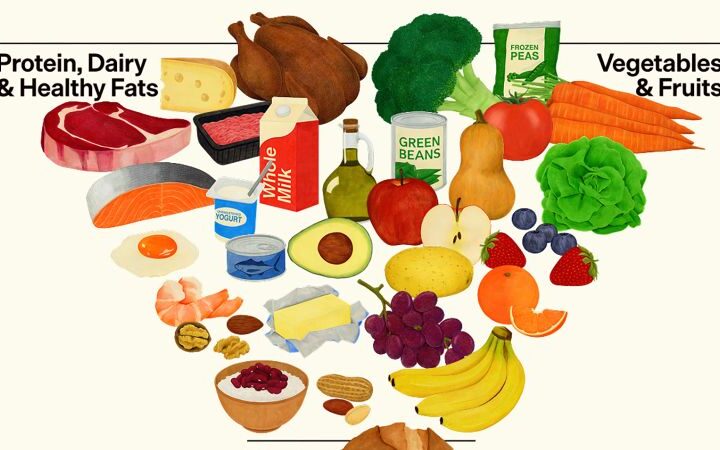
The legislation follows newly released US dietary guidelines that emphasize whole-fat dairy products, a change met with mixed reactions from nutritionists and health experts. This new law, which received unanimous consent in Congress last year, reverses previous US Department of Agriculture regulations from the Obama administration mandating that milk served in schools must be fat-free or low-fat, as part of efforts to combat childhood obesity. It also allows for the inclusion of nondairy beverages deemed “nutritionally equivalent” to fluid milk, including fortified plant-based options.
“Removing whole milk did not improve health, it damaged it,” said Health and Human Services Secretary Robert F. Kennedy Jr. at the signing event, pointing out that many students opted for sugary drinks instead of skim or low-fat milk. “Milk fat is not junk food.”
Changes won’t happen overnight
The National School Lunch Program serves nearly 30 million children, with about two-thirds receiving free or reduced-price meals. However, the reintroduction of whole and 2% milk will require significant implementation steps. Schools will first assess student interest in these milk options, thereafter negotiating availability and pricing with suppliers. Whole milk typically costs more than skim milk, which may pose challenges for financially constrained school districts, according to Liz Campbell, vice president for government affairs at the School Nutrition Association.
There is also uncertainty about whether whole milk and 2% milk can be served during breakfast periods. USDA officials stated at a recent association conference that the law specifically pertains to these milk options at lunch, leaving ambiguity for breakfast programs. The agency has not responded to inquiries seeking clarification on this matter.
Despite these hurdles, Agriculture Secretary Brooke Rollins indicated at the White House signing that whole milk and 2% milk should begin appearing in schools soon, targeting a timeline of just a few weeks for implementation.
Nutritional considerations
Historically, US dietary guidelines have advocated for low-fat or fat-free dairy consumption for individuals over the age of two, recommending that saturated fat represent less than 10% of daily caloric intake. However, the 2025-30 guidelines are now endorsing full-fat dairy, suggesting three servings per day for a 2,000-calorie diet, while maintaining previous recommendations regarding overall saturated fat intake.
Under the new law, fluid milk will not count towards saturated fat calculations, raising questions for students and parents who monitor dietary fat intake. The American Heart Association has registered concerns about the increased emphasis on whole-fat dairy, arguing that low-fat and fat-free dairy options are preferable for cardiovascular health. Nevertheless, the new law provides students with additional milk choices.
“Full-fat milk can be fit into a healthy diet,” said Campbell. While whole milk is not harmful for most children, some may necessitate lower-fat choices for health reasons, as noted by Amy Reed, a registered dietitian nutritionist and spokesperson for the Academy of Nutrition and Dietetics. The impact of offering whole milk over other beverages remains to be seen.
This development marks a significant shift in US school nutrition policy, raising questions about dietary choices and their implications for student health.