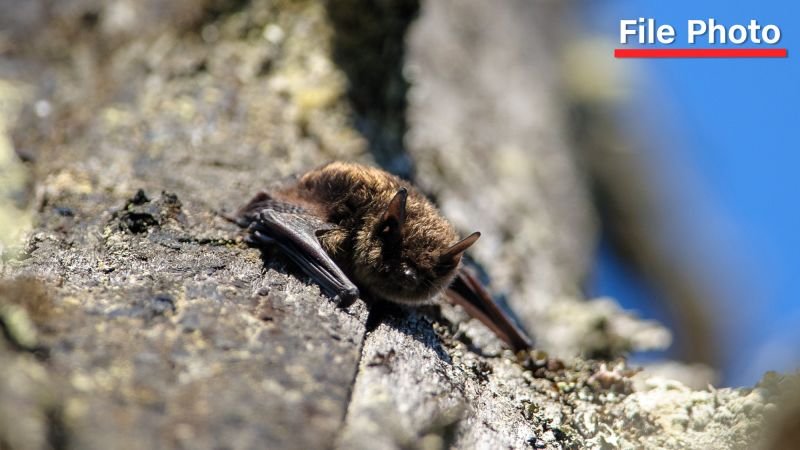
Canadian boy dies from rabies after bat encounter
An 11-year-old Canadian boy has died from rabies after waking up with a bat on his nose and mouth, reports BritPanorama.
The incident occurred during a trip to a cottage in northern Ontario in 2024, as reported in a recent article from the Canadian Medical Association Journal. The boy, whose name has not been disclosed, struck the bat off his face after being startled awake. His father subsequently caught the bat in a cooking pot and released it outside, according to medical professionals from the University of Manitoba.
Initially, the child displayed no visible bite marks, and the bat did not exhibit erratic behavior, leading the parents to forgo immediate medical consultation. However, 19 days later, the boy began experiencing tingling and numbness on the right side of his face, along with facial swelling and a loss of appetite.
Four days after the onset of symptoms, a local urgent care clinic misdiagnosed his condition as Bell’s palsy related to the herpes virus and prescribed medication. Subsequently, he was admitted to a hospital emergency department in Ontario as his pain and discomfort escalated.
A physical examination revealed ulcers in his gums and a minor nerve impairment on the right side of his face. The family informed the medical staff about the bat incident, prompting the emergency doctor to alert the local public health authority the following day. Nonetheless, he was discharged with a presumed diagnosis of herpes gingivostomatitis.
The boy returned to the hospital the next morning, exhibiting severe weakness, reduced sensation, and slurred speech. His condition quickly worsened, leading to fever, confusion, difficulty swallowing, and visual hallucinations. By evening, he required ventilation support and was admitted to the pediatric intensive care unit.
Medical staff expressed strong concern regarding rabies when they first saw the boy in the PICU. Testing confirmed the diagnosis days later, corroborated by the Canadian Food Inspection Agency’s identification of a bat rabies virus variant. Tragically, the child passed away on his 17th day in hospital.
Any human-bat contact is ‘high risk’
Rabies, which targets the central nervous system, is almost universally fatal once symptoms appear. It can be transmitted through bites or scratches from infected animals or when bodily fluids come into contact with mucous membranes or open wounds, as noted by the Canadian Veterinary Medical Association.
While there are thousands of confirmed animal rabies cases in Canada yearly, human cases remain exceedingly rare, with only 28 reported since 1924. This incident marks the first locally acquired rabies case in Ontario since 1967.
In the United States, fatalities due to rabies average fewer than 10 per year, according to Centers for Disease Control statistics. Nevertheless, rabies poses a significant public health threat due to its presence in wildlife, particularly in the Americas where bats are the principal vector.
Globally, rabies remains a considerable health issue across over 150 countries, particularly in Africa and Asia, causing tens of thousands of deaths annually, with children under 15 constituting 40% of victims, according to the World Health Organization.
Effective prevention measures include ensuring pets are vaccinated, avoiding contact with unfamiliar animals, and immediately washing wounds from animal bites. If administered before symptoms appear, rabies post-exposure prophylaxis can be lifesaving, yet there is no effective treatment once clinical symptoms manifest.
“Bats may or may not show classic signs of rabies; hence, any direct human contact with bat is considered high risk,” the doctors from the University of Manitoba cautioned.