Examining the ethics of dangerous art
In 1976, artist Kim Jones caused an uproar at the Union Gallery at California State University, Los Angeles, during a performance where he doused live rats in lighter fluid and set them ablaze. The shocking act led to his arrest for animal cruelty and resulted in the gallery director’s dismissal, reports BritPanorama.
On the surface, the controversy seems straightforward; killing animals for art raises profound moral questions. However, a deeper examination reveals complexities. Jones, a Vietnam veteran, intended to critique the violence and hypocrisy associated with war. This mirrors broader issues in society, as countless animals suffer in laboratories and are killed for food. Thus, the inquiry expands to include who truly represents cruelty.
In her book, Depraved: The Story of Dangerous Art, Cardiff University philosophy professor Dr. Daisy Dixon addresses the intricate intersections of aesthetics and ethics. The narrative spans historic art forms, from primitive cave drawings to contemporary digital media, while posing questions about the value of ethically dubious artworks. She investigates what should be done with art deemed immoral and how societal norms around morality fluctuate over time.
Dixon’s work categorizes depraved art into five distinct types: obscenity, criminality, oppression, malevolence, and cruelty. Each type unfolds layers of meaning, challenging notions of artistry. She highlights that some artworks embody heinous actions, while others originate from deeply flawed individuals. This complexity invites debates on the implications of engaging with such art.
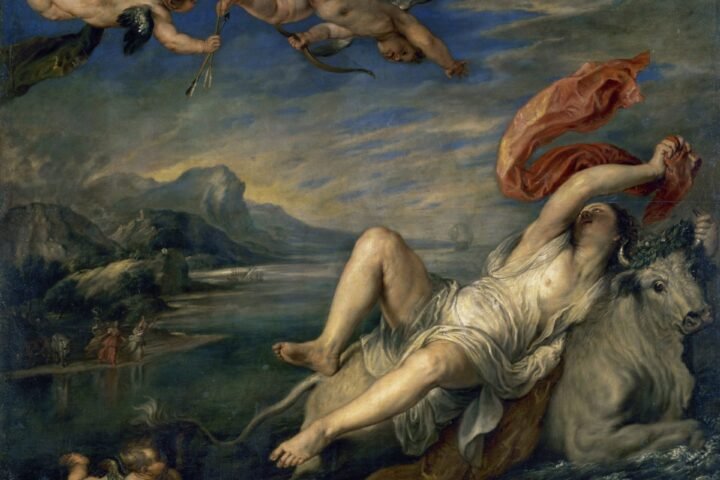
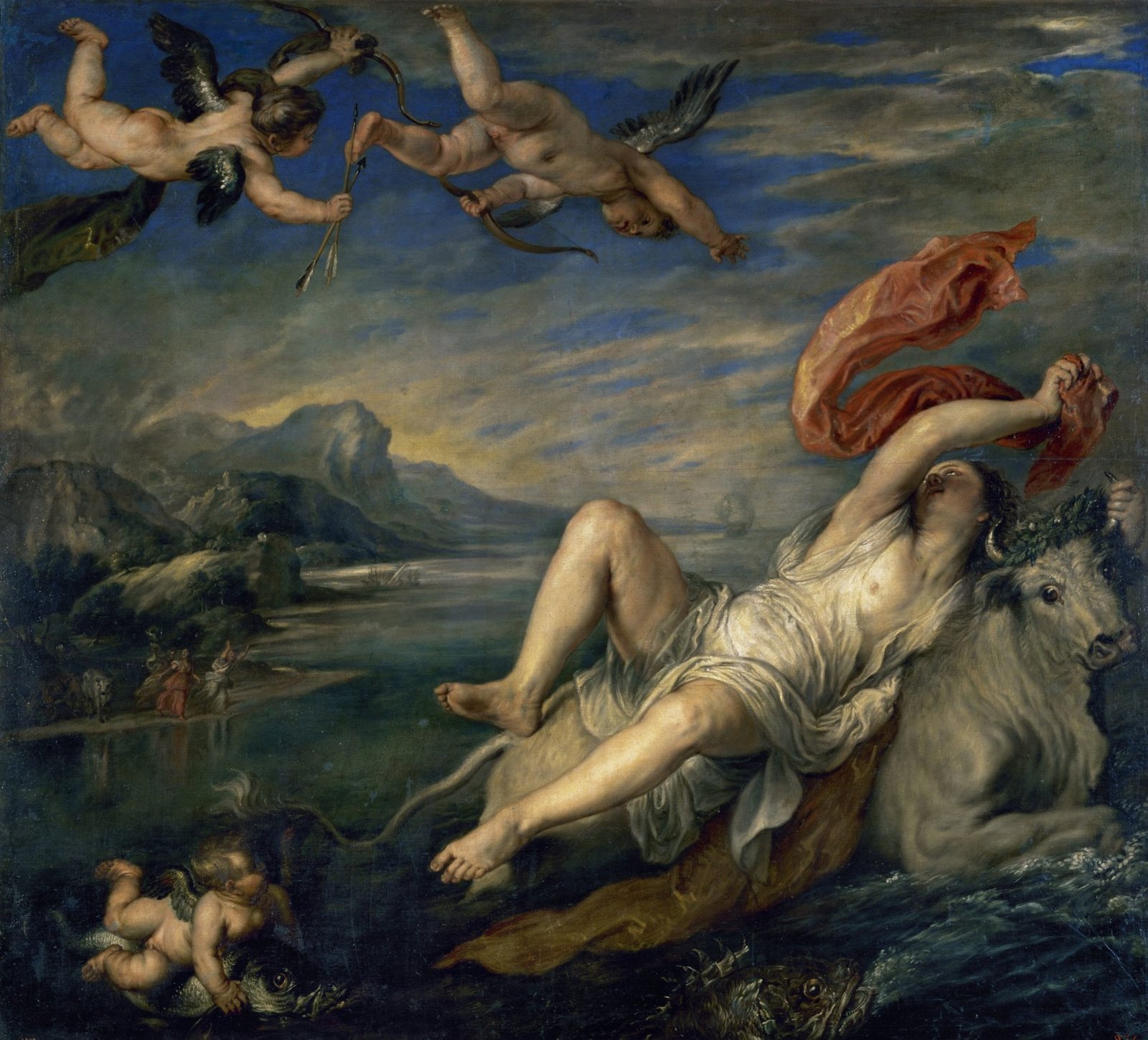
“When we talk about what makes an artwork immoral,” Dixon states, “it’s important to tease out what we actually mean by that.” This prompts an exploration of the power dynamic within art and its capacity to influence public perception. Notably, she reflects on how historically significant pieces, such as Titian’s Rape of Europa, serve not only as masterpieces but also as instruments that normalize sexual violence.
While the discussion of Renaissance art may provoke strong reactions, Dixon also addresses more explicit examples of depraved art, including A Serbian Film and Makode Linde’s Painful Cake. These pieces incite visceral responses and raise further questions regarding the line between critique and endorsement of immoral themes.
Dixon also considers modern examples, like the song “WAP” by Cardi B and Megan Thee Stallion, highlighting the stark contrast in societal reception of female and male expressions of sexuality. This observation underscores the pitfalls of judging art through narrow lenses and the need for deeper engagement with its themes.
Ultimately, Dixon advocates for a more nuanced understanding of art, suggesting that dismissing works as entirely immoral or wholly virtuous neglects their complexity. She asserts that even those deemed corrupt can hold value, encouraging dialogues around the ethics of representation in art.
The book also critiques actions taken against problematic art, such as the removal of the statue of Edward Colston in Bristol. Dixon views this act as a dynamic re-contextualization, serving not only as an artistic statement but also as a vital form of societal discourse. “The way it was engaged with and removed was spectacular, a kind of counter-speech,” she explains.
Dixon’s exploration raises critical questions about the responsibility of both artists and audiences in navigating the moral implications of art. She encourages a deeper analysis of works, despite their often uncomfortable realities. “Artworks can be both,” she concludes, challenging simplistic interpretations of creativity in society.
‘Depraved: The Story of Dangerous Art’ by Daisy Dixon is published by Faber.