European students could soon get cut-price university fees in post-Brexit reset
European students may soon benefit from reduced university fees as part of Labour’s initiative to reset relations with Brussels following Brexit, reports BritPanorama.
The topic has emerged as a central issue in ongoing negotiations for a broader UK-EU agreement, including a proposed youth mobility scheme. Currently, under the post-Brexit system, EU students are charged international rates, which can soar to around £38,000 annually for certain courses.
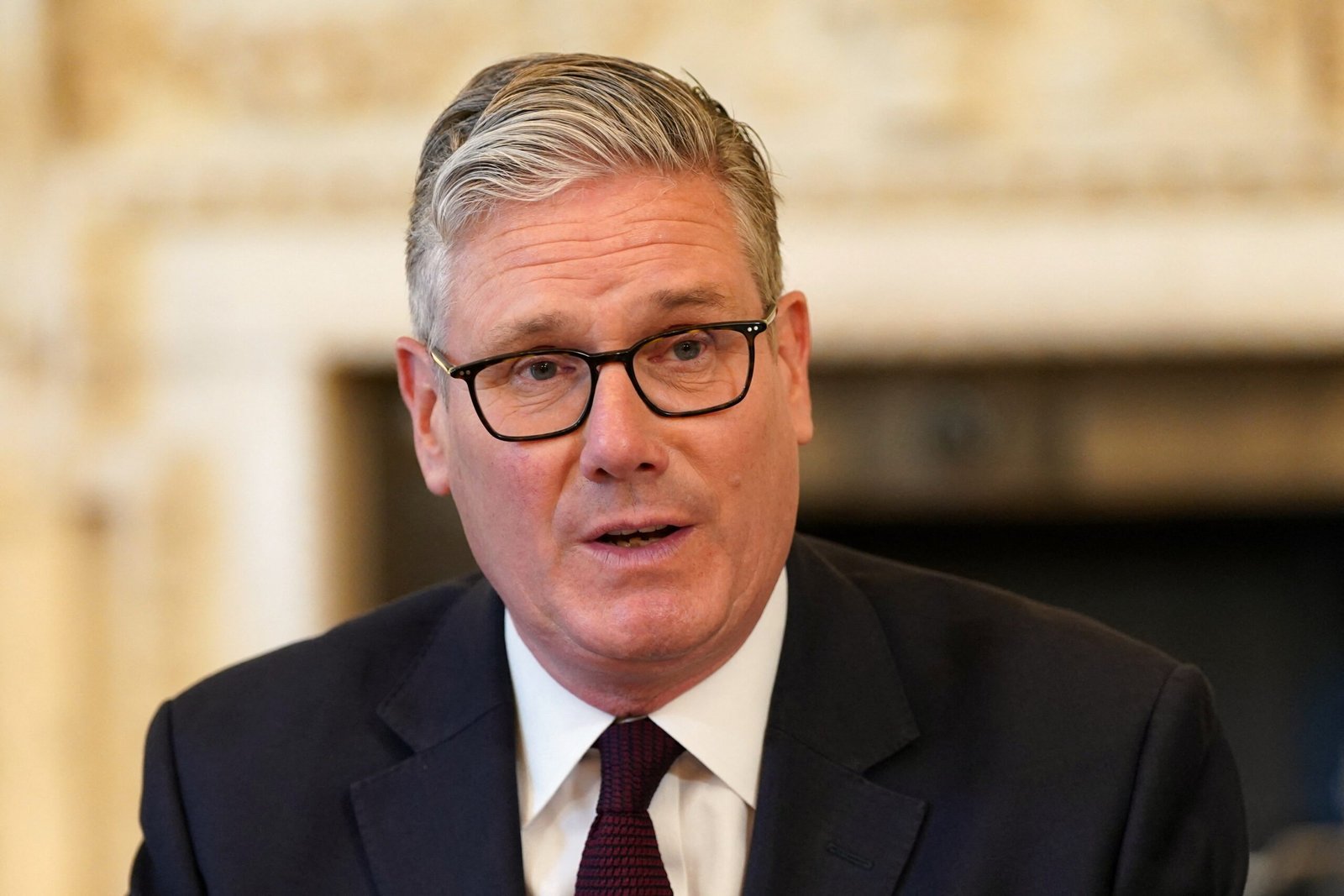
Recent reports indicate that Prime Minister Sir Keir Starmer agreed to reinstate lower fees during discussions with EU officials earlier this month, a move seen as pivotal to securing a date for a forthcoming UK-EU summit. However, this account has been met with strong rebuttals from government ministers, who assert that no such concession has been granted.
A UK government spokesperson stated, “We do not recognise these claims. We are focused on building a closer relationship with Europe that works for the British people. We will not give a running commentary on ongoing talks.”
The UK government maintains that any discussions concerning tuition fees would need to be part of a much wider negotiation encompassing the UK’s economic relationship with the EU. The anticipated summit was initially expected to include discussions on a youth mobility scheme allowing young people to experience living, working, and studying across the UK and EU for limited periods.
In addition to the matter of tuition fees, negotiators had been aiming to address measures aimed at reducing cross-Channel trade barriers in sectors such as food, drink, and energy, alongside enhancing cooperation on defence and economic security.
However, the summit scheduled for July 22 has since been postponed following Sir Keir’s announcement that he will step down as Prime Minister. This political shift has led to further criticism, with Shadow Education Secretary Laura Trott expressing that resources should prioritize reducing costs for British students rather than those from the EU.
The Russell Group has previously noted that restoring home-fee status for EU students could impose a financial burden exceeding £500 million on UK universities, currently reliant on higher international fees. Prior to Brexit, EU students held home-fee status and were eligible for UK student loans, a situation that ended with Britain’s exit from the EU.
As discussions progress, the implications for both students and universities remain significant, illustrating the ongoing complexities in the UK-EU relationship post-Brexit.
In navigating these negotiations, the UK faces the challenge of balancing domestic educational priorities with the need for a cooperative European framework that addresses broader socioeconomic concerns.